Last updated: August 16, 2026
The “Brain Rot” Antidote: 5 Steps to Reclaim Your Attention Span in 2026
Most people today have experienced that moment: you pick up your phone for “just five minutes,” only to resurface an hour later, bewildered, and then struggle to read a book, focus on work, or even watch a full movie. This common scenario points to a growing challenge in 2026, often colloquially called “brain rot”, a feeling of mental fatigue and reduced concentration stemming from constant digital stimulation. This article provides a practical “brain rot antidote” with five actionable steps to help you improve your attention span, reclaim your focus, and effectively combat short-form content addiction.


Key Takeaways
- “Brain rot” describes the common feeling of mental fatigue and reduced concentration from excessive digital content, not a medical diagnosis.
- Endless short-form content trains the brain for constant novelty, eroding sustained attention and making deep focus harder.
- Combat this by strategically reducing exposure to algorithmic feeds with no need a full technology blackout.
- Rebuild your capacity for boredom through small, deliberate moments of quiet reflection.
- Train your brain to focus again with gradual, timed sessions of single-tasking.
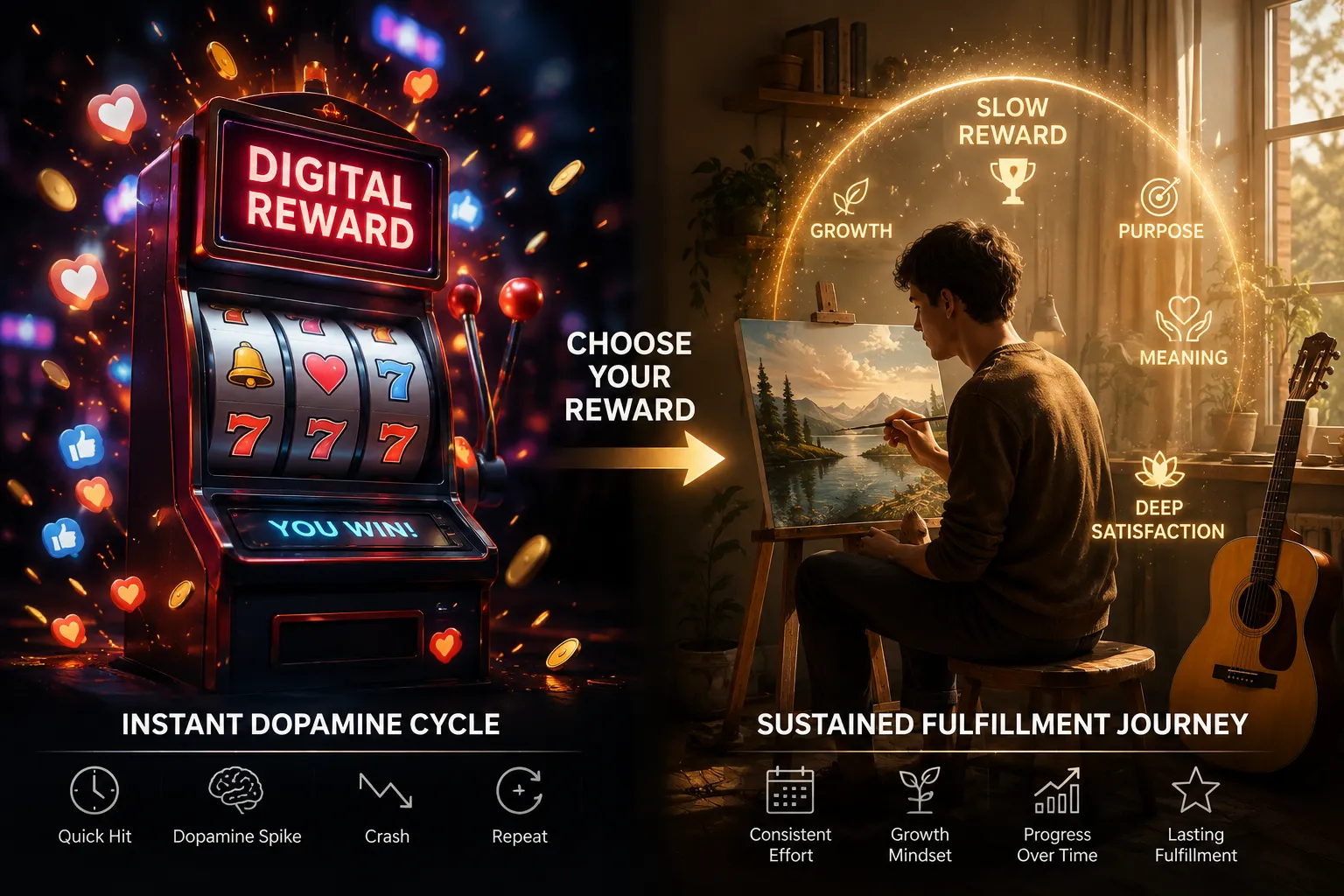
- Replace quick digital dopamine hits with the slower, more satisfying rewards of long-form activities and hobbies.
- Design your physical and digital environments to protect your attention, minimizing distractions.
What Is Brain Rot and How Does It Affect My Attention Span?
“Brain rot” is a popular cultural term, especially among younger generations, describing the sensation of cognitive dullness, reduced mental stamina, and an inability to focus for extended periods, largely attributed to excessive consumption of short-form, high-stimulation digital content 8. It’s not a formal medical diagnosis but rather a widely recognized description of the cognitive impact many experience from the modern digital landscape. This phenomenon primarily affects your attention span by conditioning your brain to expect constant novelty and quick gratification, making it difficult to engage with activities that require sustained concentration 4.
The term became popular because it aptly captures a widespread, shared experience. The endless scroll of platforms like TikTok and Instagram encourages constant novelty-seeking, providing rapid-fire dopamine hits with each new, engaging clip 9. This habit can blur the lines between casual scrolling and problematic digital habits, where users feel a compulsive need to check devices or struggle to disengage. Research in 2026 suggests that such short-form content is directly tied to attention and inhibition problems, with measured focus on screens collapsing from minutes to under a minute over the last two decades 2. Cognitive overload from constant notifications, multitasking, and excessive screen time can dampen the brain’s natural focus circuitry and lead to emotional dysregulation, according to neurophysiological studies 5.
Why Is My Attention Span Getting Worse with Social Media?
Your attention span often declines with heavy social media use because these platforms are designed to maximize engagement through rapid, novel, and highly stimulating content, training your brain for distraction rather than deep focus. Social media algorithms are particularly effective at encouraging constant novelty seeking, which can lead to a state where your brain expects quick changes and loses patience with anything requiring sustained effort. New studies in 2026 quantify how short-form content can erode attention span and academic performance, especially among Gen Z and younger users 7. The “attention economy” thrives on capturing your focus in fleeting moments, with data showing most people give short-form content seconds, not minutes, of real attention 10. The constant stream of notifications further disrupts concentration, creating a perpetual state of partial attention that makes true single-tasking a rare occurrence 3.
Step 1: Break the Infinite Scroll
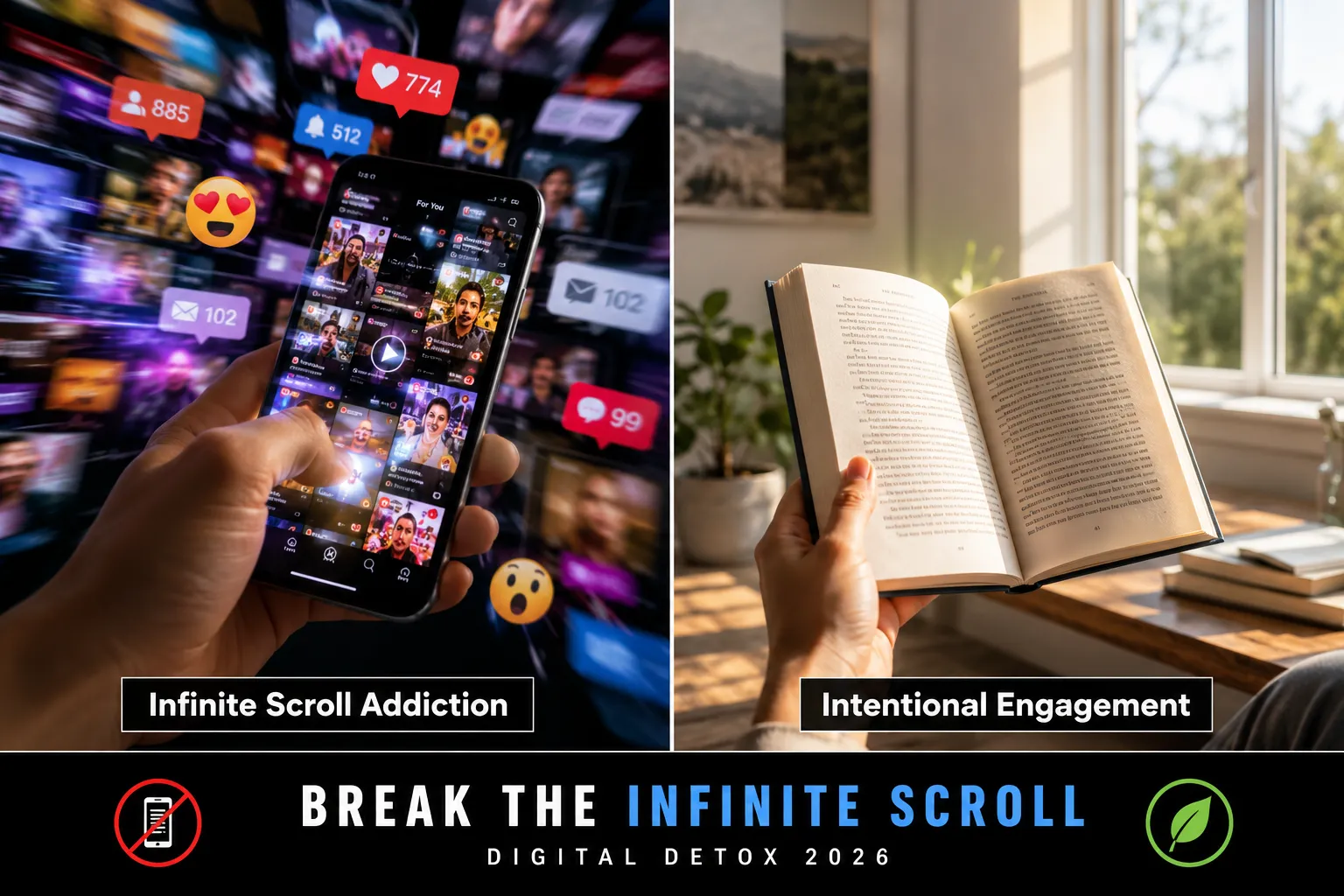
To reduce the detrimental effects of algorithmic feeds without a complete digital blackout, you must intentionally disrupt the infinite scroll. This proactive approach helps curb the constant novelty-seeking that characterizes short-form content addiction.
Practical tactics to implement:
- Remove Unnecessary Apps from the Home Screen: Clutter on your phone’s home screen creates visual triggers for distraction. Move social media and other high-distraction apps into a folder or off the home screen entirely, making them less accessible for impulsive checks.
- Set Time Limits: Use your phone’s built-in screen time features (e.g., Apple’s Screen Time, Android’s Digital Wellbeing) to set daily limits for specific apps. When the limit is reached, respect it. This is a crucial step in a digital detox 2026 strategy.
- Turn Off Non-Essential Notifications: Most notifications are interruptions, not emergencies. Disable notifications for social media, games, and non-critical communication. Keep only essential calls and texts.
- Create Specific Social-Media Windows: Instead of checking apps whenever the urge strikes, designate specific 10-15 minute periods (e.g., once in the morning, once in the evening) for social media use. Outside these windows, avoid opening the apps.
How to Rebuild Focus After Months of Short-Form Content Addiction
Rebuilding focus after prolonged exposure to short-form, content addiction requires a gradual and intentional retraining of your brain. The goal is to progressively increase the duration and intensity of your attention, moving away from constant novelty and towards sustained concentration. This process is similar to physical exercise, where you start with lighter weights and accumulate the load to build strength.
Step 2: Rebuild Your Ability to Be Bored
Constantly filling every quiet moment with digital content makes boredom feel uncomfortable, as your brain is no longer accustomed to periods of low stimulation. Rebuilding your tolerance for boredom is a critical “brain rot antidote” because it encourages introspection and allows your mind to wander, a precursor to deep thought and creativity.
Small exercises to reacquaint yourself with boredom:
- Walk Without Your Phone: Leave your phone at home or in your pocket on silent during short walks. Observe your surroundings, let your mind wander, and resist the urge to fill the silence.
- Wait Without Scrolling: Next time you’re in a queue, at a doctor’s office, or waiting for a friend, resist the urge to pull out your phone. Simply observe, think, or just be.
- Sit Quietly for a Few Minutes: Dedicate 5-10 minutes each day to simply sitting in silence without any external input. This could be during your commute, before bed, or even just staring out a window.
- Do Simple Tasks Without Background Entertainment: Wash dishes, fold laundry, or do other routine chores without a podcast, TV show, or music playing. Allow your mind to process.
Step 3: Train Your Brain to Focus Again
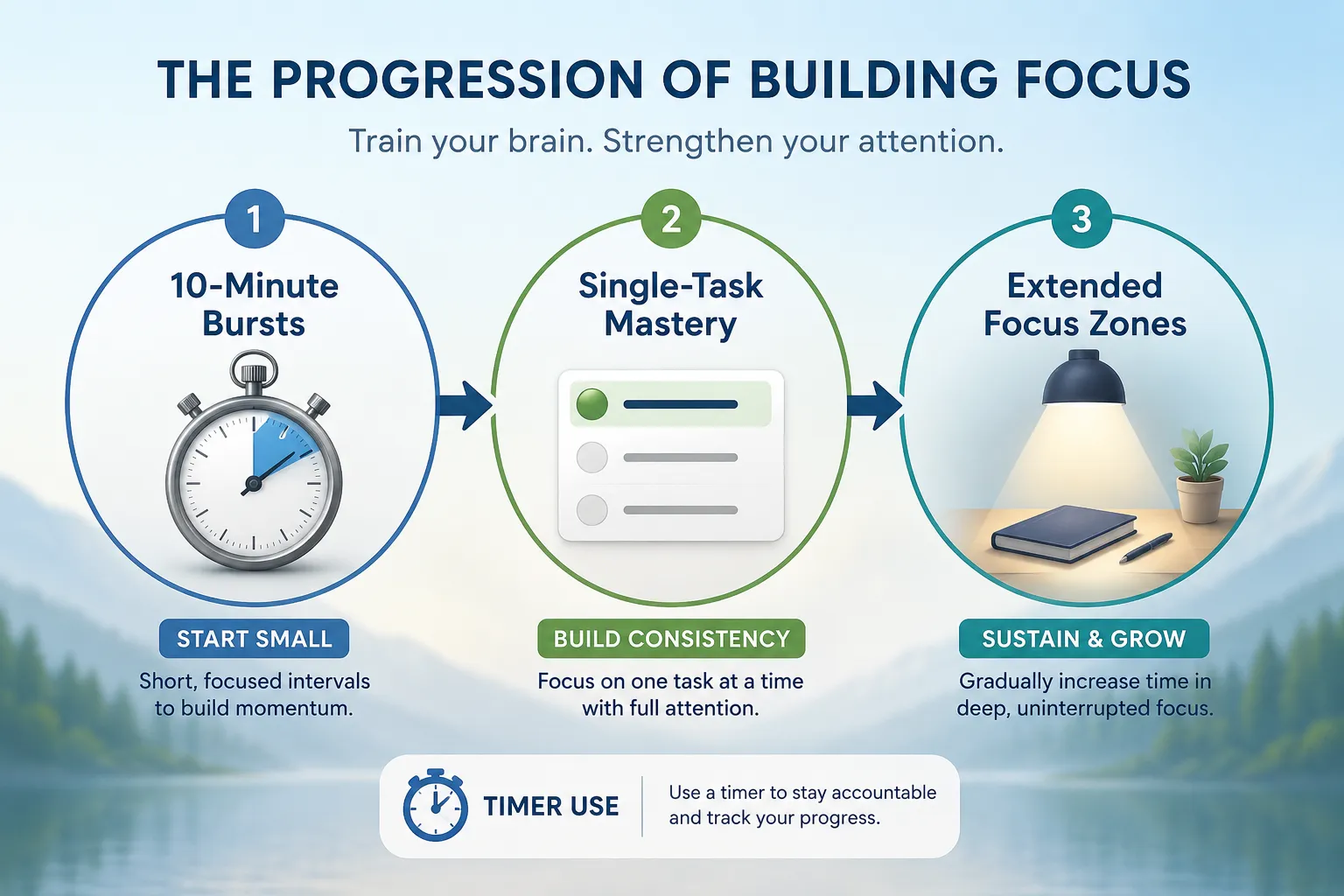
Training your brain to focus again is best achieved through a gradual, systematic approach rather than expecting instant, unrealistic hours of concentration. This is how you reclaim your attention span effectively. For deeper insights, explore 16 Useful Tips for Improving Your Mental Focus.
A gradual focus-building system:
- 10-15 Minute Focus Sessions: Start by dedicating just 10-15 minutes to a single task, completely free of distractions. Use a timer. When the timer goes off, take a short break.
- Single-Tasking: Choose one specific task and commit to doing only that task for your designated focus period. Avoid switching tabs, checking emails, or responding to messages.
- Gradually Increasing Uninterrupted Work Periods: Once 15 minutes feels comfortable, slowly increase the duration to 20, then 25, and eventually 45-60 minutes. The Pomodoro Technique (25 minutes of work, 5 minutes break) is an excellent framework for this.
- Using a Timer or Distraction-Free Environment: Utilize tools that help you stay focused. This could be a physical timer, a browser extension that blocks distracting websites, or simply working in a quiet room. Creating a dedicated study zone can also help in training your brain for specific activities, a tactic detailed in Secret tips to Studying Effectively and Prolonging your Study Session!.
Dopamine Detox vs. Digital Detox: Which Is Better?
A digital detox 2026 is generally more practical and sustainable for improving attention span than a strict “dopamine detox,” which is often based on oversimplified claims about neuroscience. While a “dopamine detox” broadly suggests abstaining from all pleasurable activities (including food, music, and social interaction) to “reset” dopamine receptors, its scientific backing is limited and overblown. A digital detox, on the other hand, focuses specifically on reducing engagement with digital devices and short-form content to curb compulsive habits and allow the brain to reset its responsiveness to sustained attention 1. It addresses the core issue of short-form content addiction directly by breaking the cycle of instant digital stimulation. For practical purposes, targeting digital habits provides a clearer, more achievable path to reclaim your attention span. Understanding Natural Ways to Increase Your Dopamine Levels offers more balanced strategies.
Step 4: Replace Fast Dopamine With Slow Rewards
The instant gratification from short-form content delivers rapid, but fleeting, dopamine boosts. To improve focus and concentration, it’s crucial to replace these “fast dopamine” rewards with “slow rewards”, activities that require sustained attention and offer deeper, more lasting satisfaction. This isn’t about a mythical “dopamine detox resets your brain” but rather re-calibrating your reward system.
Suggest alternatives that provide slow rewards:
- Reading Books: Engaging with long-form text trains your brain to sustain focus for extended periods. Dive into fiction, non-fiction, or educational materials. For more on this, check out Reading for Brain Health: How Did It Boost Cognitive Function and Mitigates Risks? ».
- Writing: Whether journaling, creative writing, or drafting reports, writing requires sustained cognitive effort and organized thought.
- Exercise: Physical activity not only improves brain health but also provides a sense of accomplishment and regulated mood. Find inspiration with 18 Powerful Strategies to Motivate Yourself to Exercise ».
- Learning a Skill: Take up a new language, a musical instrument, or coding. These activities demand consistent, focused practice and deliver substantial long-term rewards.
- Long-Form Podcasts or Documentaries: While still screen-based, these formats require more sustained auditory or visual attention than short clips.
- Creative Hobbies: Engaging in crafts, art, gardening, or cooking allows for deep immersion and a sense of flow, offering genuine satisfaction.
How to Stop Doomscrolling and Reduce Screen Time
To effectively stop doomscrolling and reduce screen time, you need a multi-faceted approach that combines environmental changes, behavioral adjustments, and mindful engagement. Doomscrolling is often a reflexive habit driven by anxiety and the endless availability of negative news or highly engaging content. Breaking this habit involves conscious effort and strategic implementation of digital boundaries.
Step 5: Create a Digital Environment That Protects Your Attention
Your physical and digital environments significantly impact your ability to focus. Designing them to minimize distractions is a powerful brain rot antidote and a key step in any successful digital detox 2026.
Environmental design for focus:
- Phone-Free Work Sessions: During dedicated work or study periods, keep your phone in another room or out of reach. If you need it for work, put it on “Do Not Disturb” and only use essential apps.
- Grayscale or Simplified Phone Setup: Many phones allow you to switch to grayscale mode, which makes apps less visually appealing and addictive. You can also simplify your home screen to just essential tools.
- Keeping Distracting Devices Away: Don’t work or study in bed with a tablet or laptop unless absolutely necessary. Create a dedicated workspace that is as distraction-free as possible.
- A Morning Routine Without Immediate Scrolling: Avoid checking your phone for the first 30-60 minutes after waking up. Use this time for reading, planning, exercise, or mindfulness instead.
- A Screen-Free Period Before Sleep: Aim for at least 30-60 minutes without screens before bedtime. This allows your brain to unwind and can significantly improve sleep quality.
The 7-Day Brain Rot Recovery Challenge
This challenge offers a simple, progressive system to reclaim your attention span. It’s designed to be realistic, introducing one manageable change each day.
- Day 1: Notification Purge. Turn off all non-essential notifications on your phone and computer. Keep only calls, essential work messages, and calendar alerts.
- Day 2: Home Screen Detox. Move all social media, news, and entertainment apps off your main phone home screen into a single folder or the app library. Keep only productivity tools visible.
- Day 3: Social Media Windows. Designate two specific 15-minute blocks in your day (e.g., lunch, evening) for checking social media. Avoid it entirely outside these windows.
- Day 4: Boredom Practice. For three distinct 10-minute periods today (e.g., waiting in line, sitting on transit, before bed), consciously put your phone away and just be. Observe, think, or daydream.
- Day 5: 15-Minute Focus Sprint. Choose one task and work on it for 15 uninterrupted minutes. Use a timer. Don’t check anything else.
- Day 6: Screen-Free Morning. Don’t touch your phone for the first 30 minutes after waking up. Use this time to read a physical book, journal, or have a mindful breakfast.
- Day 7: Analog Reward. Replace one usual digital entertainment activity (e.g., an hour of scrolling) with a “slow reward” activity: read a chapter of a book, take a walk, work on a hobby, or listen to a long podcast.
How to Know Your Attention Span Is Improving
Recognizing the signs of an improving attention span provides motivation and confirms your efforts are working. You don’t need a medical test to know you’re making progress.
Realistic indicators your attention span is getting better:
- Reading for Longer Without Checking the Phone: You can get through several pages or even a full chapter of a book without feeling compelled to look at your device.
- Completing Tasks with Fewer Interruptions: You find yourself finishing a work task, a chore, or a study session without feeling the constant urge to switch tabs or open another app.
- Feeling Less Compelled to Check Notifications: The “phantom vibration” sensation diminishes, and you don’t feel a strong internal pull to immediately respond to every ping.
- Enjoying Long-Form Content Again: You can comfortably watch a full documentary, a complete movie, or listen to an entire podcast without getting restless or feeling the need to fast-forward.
- Being Comfortable with Periods of Boredom: You no longer immediately reach for your phone when waiting, resting, or commuting, and can simply sit with your thoughts. This is a critical sign of a successful digital detox 2026.
Conclusion
Reclaiming your attention span in 2026 isn’t about demonizing technology or aiming for a complete disconnection from the digital world. Instead, it’s about shifting the power dynamic: stopping technology from controlling your attention and re-establishing your agency over where your focus goes. By implementing these five steps, breaking the infinite scroll, rebuilding your capacity for boredom, actively training your brain to focus, replacing fast dopamine with slow rewards, and consciously designing a distraction-resistant environment, you can effectively counteract the effects of “brain rot”. You can cultivate a more engaged, productive, and mindful life. The goal is not to eliminate screens, but to use them intentionally, reserving your precious attention for what truly matters.