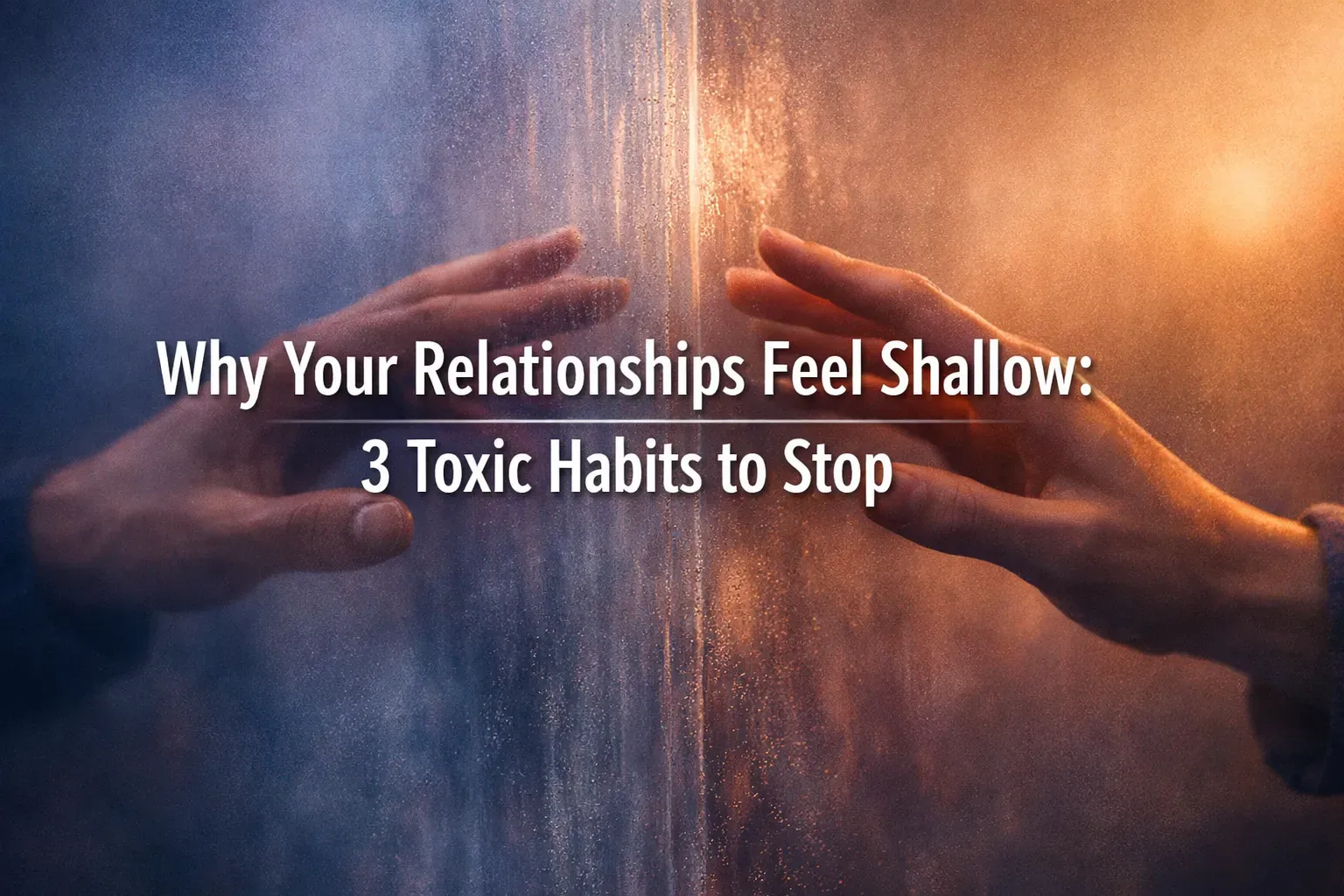
Ever wonder why, despite all your efforts, your relationships feel shallow, leaving you with a persistent sense of disconnect? It’s a common feeling in 2026, where surface-level interactions often overshadow genuine emotional intimacy. Many modern couples and singles alike struggle with this profound lack of deeper emotional connection, finding themselves caught in unhealthy relationship patterns. This isn’t just about miscommunication; it often stems from deeply ingrained toxic relationship habits that subtly erode the foundation of true intimacy. If you’re yearning for connections that go beyond the superficial, it’s time to identify and address the root causes of these shallow relationships.
This article will explore three major toxic habits that prevent you from building the profound emotional bonds you deserve. By understanding and actively working to stop these unhealthy patterns, you can begin to foster more meaningful, enriching connections in your life.

Key Takeaways
- Emotional Avoidance is a Barrier: Many people unconsciously dodge deep feelings, leading to a significant lack of emotional intimacy in their relationships.
- Fear of Vulnerability Creates Distance: The unwillingness to show one’s true self prevents the mutual sharing needed for a deeper emotional connection.
- Validation-Seeking Undermines Authenticity: Constantly needing external approval shifts focus away from genuine connection and toward a superficial sense of worth.
- Breaking Habits is Key: Recognizing these toxic relationship habits is the first step towards transforming shallow relationships into deeply fulfilling ones.
- Actionable Steps Lead to Growth: Practical strategies can help you cultivate honesty, consistency, and emotional safety, paving the way for lasting intimacy.
The Silent Killer: Emotional Avoidance and Its Role in Lack of Emotional Intimacy

Have you ever been in a conversation where you felt like you were talking at someone, not with them? Or perhaps you’ve been the one who subtly changes the subject when things get “too real”? This is emotional avoidance at play, a stealthy saboteur of emotional intimacy that leads to deeply shallow relationships. In 2026, with distractions at an all-time high, it’s easier than ever to sidestep uncomfortable feelings.
Consider Sarah and Mark. They’ve been together for five years, but Sarah often feels unseen. Whenever she tries to talk about a deeper fear or a lingering insecurity, Mark might crack a joke, change the topic to work, or simply say, “Don’t worry so much.” He thinks he’s being supportive, but what he’s actually doing is avoiding the discomfort of her emotions and, inadvertently, his own. This creates a wall, making it impossible for Sarah to truly feel understood and valued. Mark isn’t a bad person; he’s likely learned to cope with strong emotions by avoiding them, a common trait in many unhealthy relationship patterns.
What is Emotional Avoidance?
Emotional avoidance is when individuals consciously or unconsciously push away uncomfortable feelings, thoughts, or sensations. This can manifest in many ways:
- Distraction: Constantly busy, scrolling social media, or immersing oneself in work to avoid introspection.
- Minimization: Downplaying problems, saying “it’s not a big deal” when deep down it is.
- Suppression: Trying to “think positive” all the time, pushing negative emotions away rather than processing them.
- Intellectualization: Analyzing feelings logically rather than experiencing them.
While it might offer temporary relief, emotional avoidance prevents a deeper emotional connection because true intimacy requires both parties to be present with all their emotions – the good, the bad, and the ugly. When one person consistently avoids their own or their partner’s emotions, it builds a barrier, fostering shallow relationships where genuine emotional vulnerability cannot thrive. This is a classic example of toxic relationship habits taking root.
How to Overcome Emotional Avoidance
Breaking this habit requires conscious effort and a willingness to lean into discomfort.
- Practice Mindfulness: Start by simply noticing your feelings without judgment. What sensations arise in your body? What thoughts come to mind? There are many techniques for improving your mental focus that can help with this.
- Label Your Emotions: Instead of saying “I feel bad,” try to identify the specific emotion: “I feel frustrated,” “I feel sad,” “I feel anxious.” This precision helps you understand what you’re truly experiencing.
- Communicate Openly (Even if It’s Hard): If your partner is struggling, resist the urge to fix it or distract them. Instead, listen actively and validate their feelings. You can learn more about effective communication in relationships for practical tips. For yourself, practice sharing small, uncomfortable feelings. “I’m feeling a bit overwhelmed today” is a good start.
- Seek Professional Help: If emotional avoidance is deeply ingrained, therapy can provide tools and strategies to process emotions in a healthier way.
“True intimacy isn’t just about sharing joys; it’s about courageously navigating the emotional storms together.”
The Vulnerability Paradox: Fear of Vulnerability and Seeking a Deeper Emotional Connection
Imagine a fortress. Strong, impenetrable walls, thick gates, and a moat. It keeps enemies out, but it also keeps you trapped inside, alone. This is what the fear of vulnerability does to relationships. It’s a fundamental reason why many relationships feel shallow, preventing individuals from achieving a deeper emotional connection. In a world that often praises stoicism and strength, opening up can feel like an immense risk. Yet, without it, true intimacy remains elusive. This is one of the most insidious toxic relationship habits.
Take Alex, who prides himself on being the “strong one.” He’s always there for his friends and family, offering advice and support. But when it comes to his own struggles, he clamors up. He believes that showing weakness will make him less attractive or reliable. His partner, Chloe, loves his strength but secretly wishes he would let her in, just once, to see his worries, his fears. This reluctance to share his inner world, a manifestation of the fear of vulnerability, leaves Chloe feeling like she only knows a polished version of Alex, not the real him. This unhealthy relationship pattern results in a significant lack of emotional intimacy, making their relationship feel superficial despite shared history.
What is Fear of Vulnerability?
Fear of vulnerability is the apprehension or resistance to revealing one’s true self, including weaknesses, insecurities, and deep emotions, due to the perceived risk of harm, rejection, or judgment. It often stems from past experiences of hurt or betrayal.
- Past Trauma: Previous heartbreaks or betrayals can make individuals build walls.
- Societal Conditioning: Being told to “man up” or “don’t cry” can teach us that vulnerability is a weakness.
- Self-Protection: The belief that keeping others at arm’s length will prevent future pain.
The result? Shallow relationships where communication exists, but emotional depth is conspicuously absent. You might talk about your day, your plans, or even your opinions, but rarely about your core fears, hopes, or the raw parts of your soul. This creates a façade, limiting the potential for a deeper emotional connection.
Cultivating Vulnerability for Genuine Connections
Breaking down the fortress of fear requires courage and consistent practice.
- Start Small: You don’t have to reveal your deepest secret on day one. Share a small insecurity, a minor fear, or a moment of uncertainty. Observe the reaction.
- Choose Your Audience Wisely: Begin with someone you trust deeply, perhaps a close friend or a supportive family member, before moving to romantic partners.
- Understand the Difference Between Being Open and Over-Sharing: Vulnerability is about sharing your authentic self; it’s not about dumping every thought and feeling onto someone else indiscriminately.
- Recognize the Strength in Vulnerability: It takes immense courage to be vulnerable. It’s a sign of strength, not weakness, and it’s the cornerstone of building trust. For more on this, explore the topic of unlocking secrets to building trust in relationships.
- Practice Self-Compassion: There will be times when you retreat. Be kind to yourself and try again. For tips on dealing with regret and moving forward, see this guide.
The Performance Trap: Validation-Seeking Behavior and Its Impact on a Deeper Emotional Connection
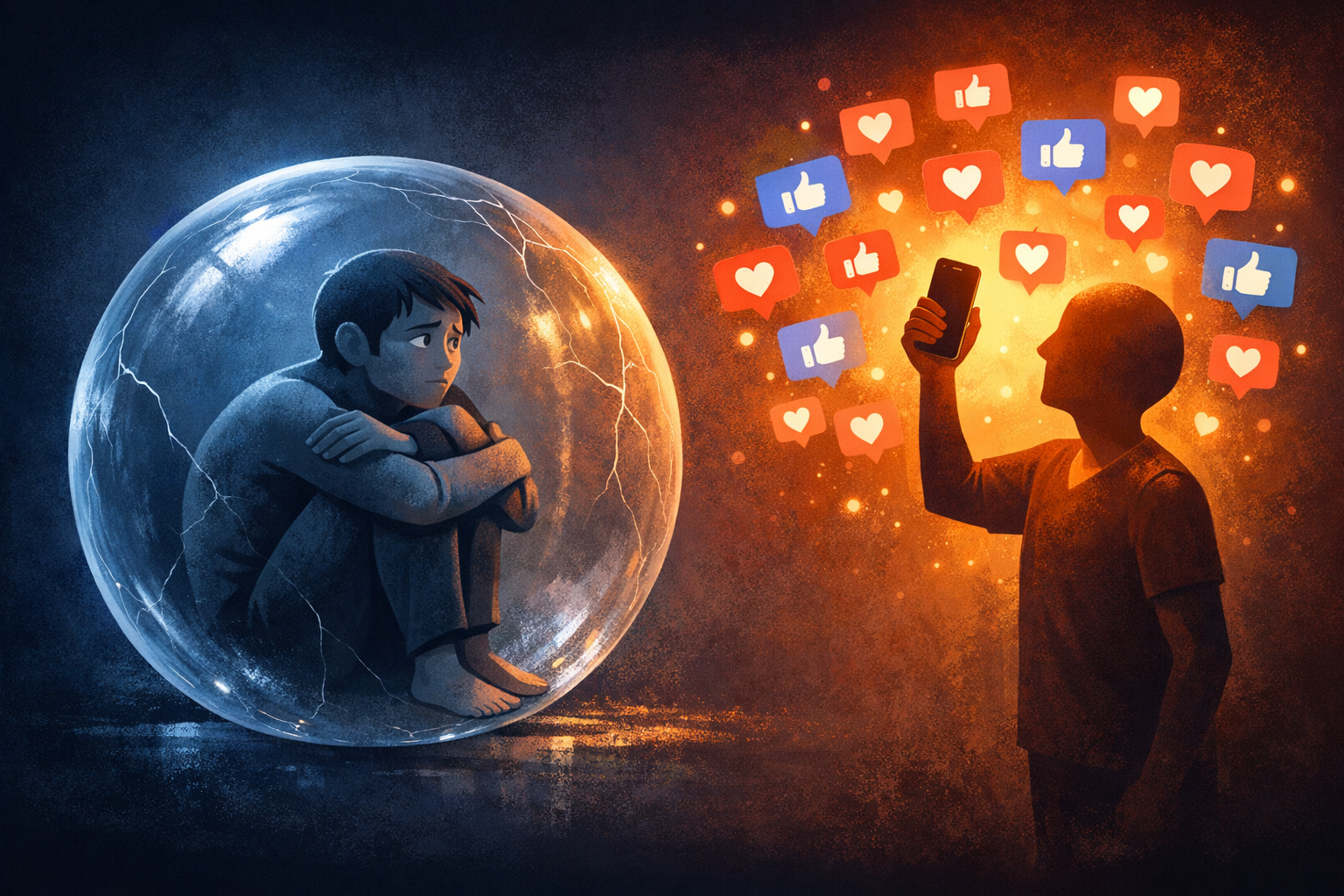
In 2026, the digital age has amplified one of the most potent toxic relationship habits: validation-seeking behavior. We live in a world where likes, shares, and external approval often dictate our sense of self-worth. When this need for external validation infiltrates our close relationships, it inevitably leads to shallow relationships and a significant lack of emotional intimacy. Instead of connecting genuinely, we perform for approval, making every interaction a stage.
Consider David and Lisa. David constantly seeks Lisa’s praise for his work, his appearance, even his opinions. If Lisa offers constructive criticism, he becomes defensive or withdrawn. He’s not seeking connection; he’s seeking affirmation that he is “good enough.” Lisa, in turn, feels exhausted trying to constantly uplift him, and increasingly, she feels like her own needs and opinions are secondary. This unhealthy relationship pattern means their interactions revolve around David’s fragile ego, not a shared emotional landscape. They might seem like a happy couple on the surface, but beneath it, there’s a distinct lack of deeper emotional connection.
What is Validation-Seeking Behavior?
Validation-seeking behavior is an excessive reliance on external approval, compliments, or affirmation from others to feel good about oneself. It often stems from low self-esteem or an insecure attachment style.
- Constant Need for Praise: Always looking for compliments, especially after completing tasks or making decisions.
- Fishing for Reassurance: Asking “Do you think I look okay?” or “Was that a good idea?” repeatedly.
- Over-sharing for Attention: Sharing intimate details, not for connection, but for pity or admiration.
- People-Pleasing: Constantly agreeing with others, avoiding conflict to maintain a positive image.
When validation-seeking becomes a dominant pattern, relationships become transactional. They’re no longer about mutual understanding and support, but about one person extracting their emotional needs from the other. This creates a power imbalance and prevents the kind of authentic sharing required for genuine intimacy.
Shifting from External Validation to Inner Worth
To break free from the performance trap and build a deeper emotional connection, you need to cultivate self-worth from within.
- Identify the Root Cause: What makes you feel you’re not enough without external validation? Journaling or therapy can help uncover these underlying beliefs.
- Practice Self-Acceptance: Acknowledge your strengths and weaknesses without judgment. Understand that your worth is inherent, not conditional on others’ opinions.
- Set Boundaries: Learn to say no and express your true opinions, even if they differ from others. This is crucial for healthy relationships and personal integrity. You can find more about how to become a self-leader and set these boundaries effectively.
- Focus on Giving, Not Receiving: Shift your energy from seeking validation to genuinely supporting and understanding others. This creates a more balanced and fulfilling dynamic.
- Cultivate Hobbies and Interests: Develop aspects of your life that bring you joy and a sense of accomplishment, independent of others’ opinions.
Building a deeper emotional connection means fostering an environment of emotional safety and honesty. It requires both partners to show up authentically, without fear of judgment, and to genuinely seek to understand and support each other, rather than extract from each other.
Cultivating Deeper Connections in 2026
The journey from shallow relationships to profound, meaningful bonds isn’t always easy, but it’s incredibly rewarding. Recognizing and consciously stopping these toxic relationship habits – emotional avoidance, fear of vulnerability, and validation-seeking behavior – is the first, most crucial step. These unhealthy relationship patterns are often deeply ingrained, shaped by past experiences and societal pressures.
In 2026, as the world moves faster than ever, the need for genuine connection becomes even more vital. Don’t let the allure of superficial interactions deter you from the richness of true emotional intimacy. Be honest with yourself and your partners. Practice empathy, both for yourself and for those you care about. When you commit to showing up authentically, consistently, and with an open heart, you create the fertile ground necessary for a deeper emotional connection to flourish.
Remember, healthy relationships are built on mutual respect, understanding, and the courage to be truly seen. By shedding these toxic habits, you’re not just improving your relationships; you’re transforming your entire approach to connection, leading to a richer, more fulfilling life.
Conclusion
The persistent feeling of shallow relationships is a clear signal that something fundamental is missing. As we navigate 2026, many of us are unknowingly perpetuating toxic relationship habits that hinder our ability to form a deeper emotional connection. Emotional avoidance, the fear of vulnerability, and the constant quest for external validation are not just minor quirks; they are unhealthy relationship patterns that actively prevent emotional intimacy and leave us feeling disconnected, even when surrounded by others.
Breaking these habits requires a conscious decision and consistent effort. It means learning to sit with discomfort, daring to be vulnerable, and cultivating a sense of self-worth that comes from within. It’s about choosing authenticity over appearance, and genuine connection over superficial approval.
Actionable Next Steps:
- Reflect and Identify: Take time to honestly reflect on your own behaviors. Which of these toxic habits resonate most with you? Journal about recent interactions where you might have engaged in emotional avoidance, held back due to fear of vulnerability, or sought excessive validation.
- Practice Micro-Vulnerability: Start by sharing a small, personal thought or feeling with a trusted friend or partner. It could be a minor worry, a small joy, or a moment of uncertainty. Observe their reaction and your own feelings.
- Mindful Communication: In conversations, actively listen without planning your response. Practice asking open-ended questions that encourage deeper sharing, and share your own feelings rather than intellectualizing them. Exploring resources on how gratitude makes us happier and healthier can also enhance your ability to connect.
- Build Internal Validation: Dedicate time each day to activities that build your self-esteem intrinsically. This could be learning a new skill, engaging in a hobby you love, or practicing self-affirmations. Consider reading about how to make yourself happy for more ideas.
- Seek Support: If these patterns feel deeply ingrained, consider talking to a therapist or counselor. A professional can provide guidance and tools to navigate these challenges effectively, helping you move past unhealthy relationship patterns towards deeper, more fulfilling bonds.
By taking these steps, you embark on a journey toward truly meaningful connections, transforming your shallow relationships into sources of profound joy and unwavering support. The effort you invest in fostering genuine emotional intimacy will undoubtedly enrich your life in 2026 and beyond.