
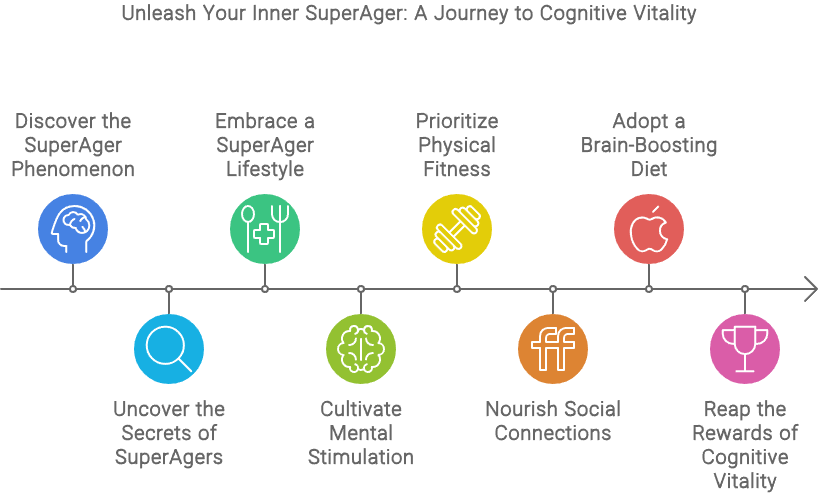
Imagine reaching your 80s and beyond with the memory and mental sharpness of someone decades younger. This isn’t a fantasy; it’s the reality for a remarkable group of individuals known as SuperAgers. This term, coined by The Mesulam Center for Cognitive Neurology and Alzheimer’s Disease at Northwestern University, highlights individuals aged 80 and above who possess extraordinary cognitive abilities, effectively defying the typical cognitive decline associated with aging. They stand as living proof that maintaining a vibrant, active mind throughout life is not only possible but achievable.
The journey to becoming a SuperAger is not solely determined by genetic luck. While genetics may offer a predisposition, cutting-edge research consistently points to lifestyle choices as crucial determinants. Think of it as a blueprint for longevity science. Engaging in mentally stimulating activities, maintaining robust physical fitness, and nurturing strong social connections are all vital components that contribute significantly to cognitive longevity and overall well-being.


SuperAgers often embrace a proactive approach to life. They challenge themselves by learning new skills, actively participating in social activities, and adopting a diet rich in brain-supporting nutrients. These nutrient-dense foods include leafy greens, fatty fish, and berries, which provide essential vitamins and antioxidants to fuel a healthy brain.
What Is A SuperAger, and Can You Become One?
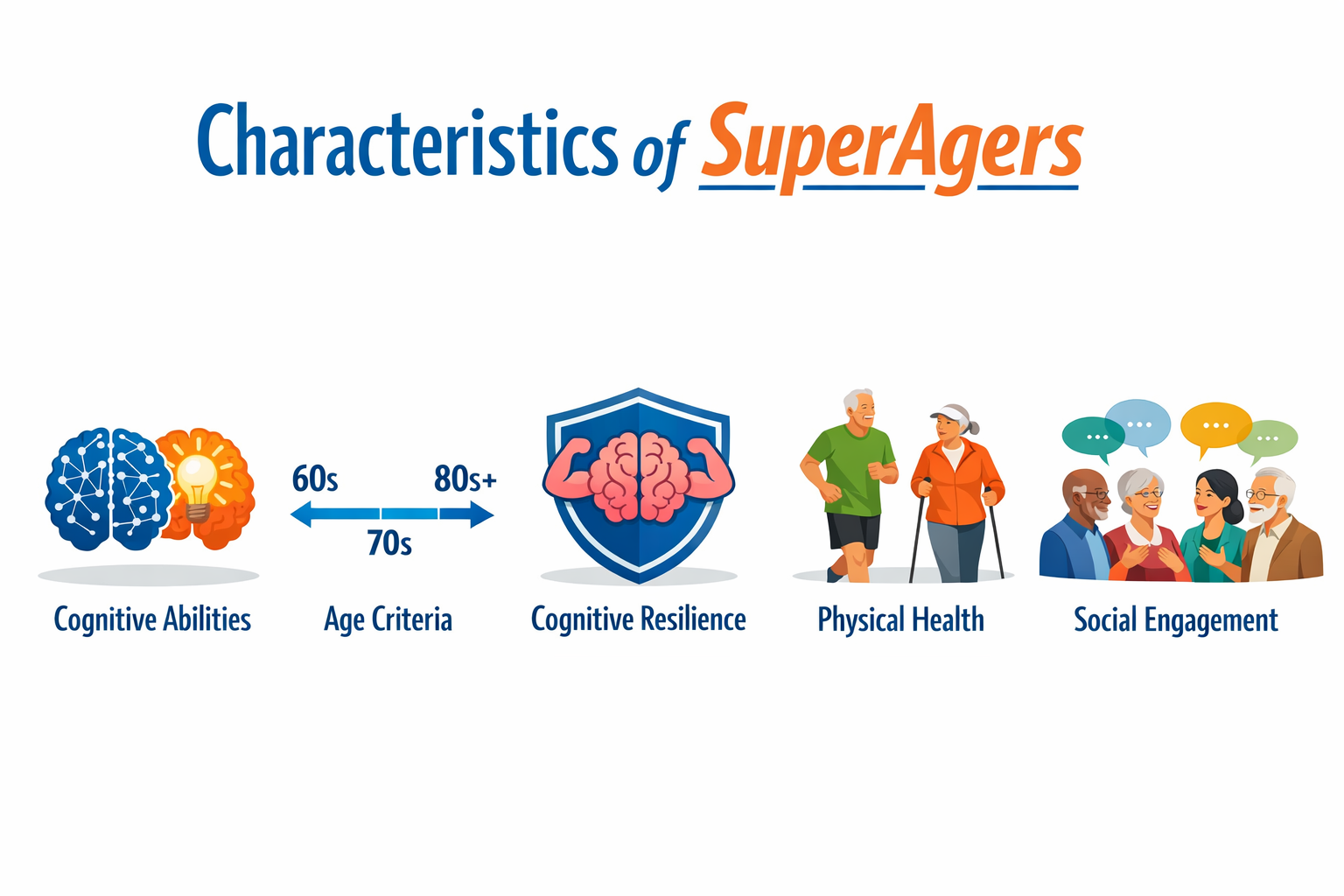
The concept of a SuperAger challenges conventional beliefs about aging. These individuals are not simply “aging well”; they are thriving, demonstrating cognitive performance that truly sets them apart.
Definition of a SuperAger
A SuperAger is an exceptional individual who, despite being 80 years old or older, exhibits cognitive abilities, particularly memory skills, that are on par with or even superior to those of individuals 20 to 30 years younger. This remarkable phenomenon suggests a level of cognitive resilience and brain health that goes beyond normal aging patterns.
Cognitive Abilities
SuperAgers consistently demonstrate superior cognitive abilities. Their memory skills and mental sharpness rival those of individuals in their 50s or 60s. Research indicates specific brain characteristics contribute to this:
- Reduced Cortical Shrinkage: Unlike typical aging brains, SuperAgers experience significantly less thinning of the cerebral cortex, the brain’s outer layer crucial for memory, attention, and language.
- Higher Density of Von Economo Neurons (VENs): Studies, such as those from Northwestern University, show SuperAgers have a greater density of these specialized neurons in the anterior cingulate cortex, a region linked to attention and executive function.
- Preserved Grey Matter Volume: Key areas like the hippocampus and entorhinal cortex, vital for memory formation and retrieval, remain more intact and robust in SuperAgers. This structural integrity directly supports their exceptional memory performance.
- Strong Neural Integrity: Their brains often exhibit fewer signs of age-related degeneration, maintaining healthier connections between neurons, which facilitates efficient information processing.
In essence, their brains appear structurally younger and more efficient, allowing them to maintain high-level cognitive function.
Age Criteria
To be officially classified as a SuperAger, an individual must be:
- 80 years old or older: This specific age threshold ensures that the comparison is made against the backdrop of typical age-related cognitive changes.
- Exhibit exceptional memory performance: Their scores on memory tests, specifically episodic memory (memory for personal experiences), must be comparable to, or better than, those of healthy individuals aged 50-65.
This strict definition helps researchers isolate the factors contributing to such extraordinary cognitive longevity.
Characteristics of SuperAgers
Beyond their impressive cognitive scores, SuperAgers often share a common set of characteristics that contribute to their unique resilience.
Cognitive Resilience
Cognitive resilience is perhaps the defining trait of SuperAgers. These individuals show a remarkable resistance to the cognitive decline commonly associated with aging. They actively engage in activities that challenge and stimulate their brains, treating their minds like a muscle that needs constant exercise.
- Lifelong Learning: They embrace new information and skills, whether it’s learning a new language, mastering a musical instrument, or delving into complex academic subjects. This continuous learning creates new neural pathways and strengthens existing ones.
- Problem-Solving: SuperAgers enjoy solving puzzles, playing strategy games, or engaging in hobbies that require critical thinking. These activities keep their brains agile and adaptable.
- Intellectual Curiosity: They maintain a keen interest in the world around them, often reading widely, engaging in thoughtful discussions, and seeking out novel experiences.
Physical Health
Physical health is inextricably linked to cognitive health, a principle SuperAgers embody. They understand that a healthy body supports a healthy brain.
- Regular Physical Activity: SuperAgers typically incorporate consistent exercise into their daily routines. This isn’t necessarily extreme athleticism but rather sustained, moderate activity.
- Walking: Many prioritize daily walks, often brisk and for extended periods.
- Swimming: A low-impact, full-body workout that improves cardiovascular health.
- Dancing: Offers both physical exertion and mental stimulation as it requires coordination, rhythm, and often memorizing steps.
- Gardening: Provides physical activity, exposure to nature, and often problem-solving elements.
- Cardiovascular Health: Regular exercise improves blood flow to the brain, delivering essential oxygen and nutrients while clearing metabolic waste. This reduced risk of cardiovascular diseases also lowers the risk of cognitive impairment.
- Balanced Lifestyle: They often maintain a healthy weight, get sufficient sleep, and manage stress effectively, all of which contribute to overall physical and mental well-being.
Social Engagement
Strong social connections are not just pleasant; they are a vital component of SuperAgers’ cognitive vitality. Isolation and loneliness have been linked to increased risks of cognitive decline, whereas social engagement provides crucial stimulation and support.
- Active Social Circles: SuperAgers maintain strong relationships with friends, family, and community members. They actively seek out social interactions.
- Community Involvement: Many participate in volunteer work, clubs, or community groups. This involvement provides a sense of purpose and belonging.
- “Meaningful Interactions: They engage in stimulating conversations, share experiences, and offer emotional support, all of which keep the brain active and emotionally balanced. Research suggests that social interaction helps buffer stress, which can otherwise negatively impact brain health. For tips on building lasting connections, explore “Navigating Love and Relationships: Tips for Building Lasting Connection”” on AkReviews.
Factors Contributing to Super-aging
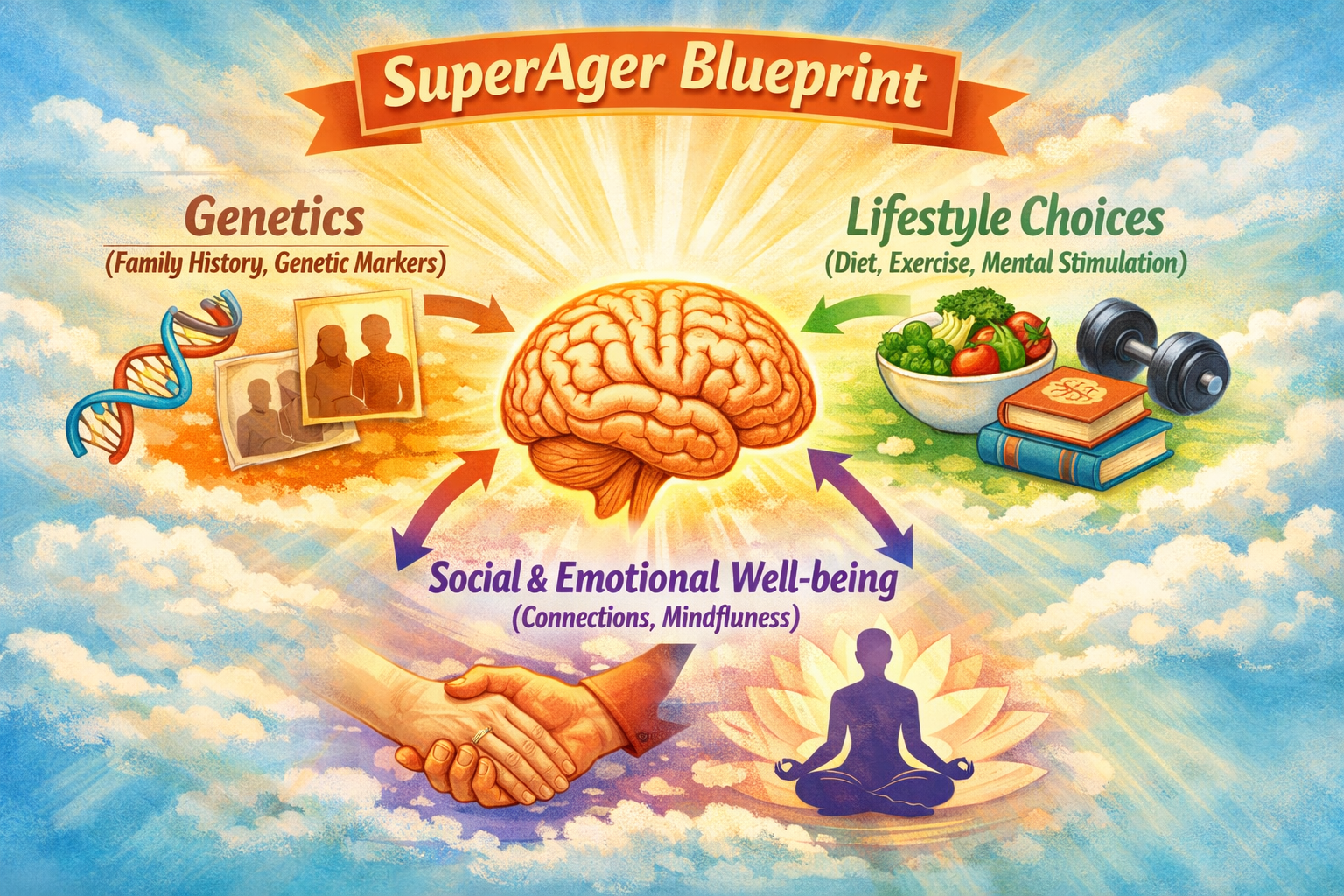
The path to becoming a SuperAger is multifaceted, influenced by a combination of genetics, deliberate lifestyle choices, and a robust approach to social and emotional well-being. Understanding these factors provides a comprehensive roadmap for those aiming to defy aging.
Genetic Factors
While genetics do not predetermine SuperAger status, they can certainly play a supportive role, influencing an individual’s predisposition to cognitive resilience.
Family History
A compelling area of research looks at familial patterns in longevity and cognitive health.
- Longevity in Family: Individuals with a family history of exceptional longevity, particularly those with relatives who maintained cognitive sharpness into old age, often have a higher likelihood of demonstrating SuperAger traits themselves. This suggests a hereditary component to brain resilience and a slower rate of cognitive aging.
- Genetic Protective Factors: Certain gene variants may offer protective effects against age-related diseases like Alzheimer’s. While not a guarantee, inheriting these genes can give an individual an advantage in preserving cognitive function. For example, some studies are exploring variants in genes related to immune function or lipid metabolism that seem more prevalent in SuperAgers.
Genetic Markers
Advancements in genetic research are beginning to identify specific markers that correlate with enhanced cognitive health and a reduced risk of neurodegenerative conditions.
- APOE4 Status: While the APOE4 allele is associated with an increased risk of Alzheimer’s, many SuperAgers do not carry this variant, or if they do, other protective factors may be at play. Research continues to explore genetic profiles that confer resilience even in the presence of risk factors.
- Unique Gene Expression: Studies comparing SuperAger brains to average agers have found differences in gene expression related to synaptic plasticity and neuronal maintenance. This suggests SuperAgers’ brains may be more efficient at repairing and maintaining neural connections.
- Future of Genetic Testing: While not yet definitive for predicting SuperAger status, understanding one’s genetic predispositions can inform personalized lifestyle interventions, emphasizing certain preventative measures based on individual risk profiles.
Lifestyle Choices
Lifestyle is where individuals have the most agency in shaping their cognitive future. SuperAgers consistently demonstrate that deliberate choices made over decades significantly impact brain health.
Diet and Nutrition
What we eat directly fuels our brain, and SuperAgers typically follow dietary patterns that are rich in neuroprotective compounds.
- Mediterranean-Style Diet: This dietary pattern, common among SuperAgers, emphasizes whole, unprocessed foods.
- Leafy Greens: Spinach, kale, and collard greens are packed with vitamins E and K, folate, and carotenoids, which are vital for brain health.
- Fatty Fish: Salmon, mackerel, and sardines are excellent sources of Omega-3 fatty acids (DHA and EPA), crucial for brain structure and cognitive function.
- Berries: Blueberries, strawberries, and raspberries are rich in antioxidants called anthocyanins, which protect brain cells from oxidative stress and inflammation.
- Nuts and Seeds: Almonds, walnuts, chia seeds, and flaxseeds provide healthy fats, vitamin E, and antioxidants.
- Whole Grains: Oats, quinoa, and brown rice offer sustained energy release for brain function.
- Avoiding Processed Foods: SuperAgers generally limit or avoid processed foods high in unhealthy fats, refined sugars, and artificial additives. These can contribute to inflammation and oxidative stress, both detrimental to cognitive health. A balanced diet promotes cognitive resilience and overall well-being.
Physical Exercise
Regular physical activity is a cornerstone of the SuperAger lifestyle, benefiting both body and brain.
- Improved Blood Flow: Exercise increases blood flow to the brain, enhancing the delivery of oxygen and nutrients while facilitating the removal of waste products.
- Neurogenesis: Physical activity, particularly aerobic exercise, can promote the growth of new brain cells in the hippocampus, a region critical for memory.
- Reduced Inflammation: Exercise helps reduce systemic inflammation, which is a known contributor to cognitive decline.
- Types of Activities: SuperAgers engage in a variety of exercises:
- Aerobic Exercise: Walking, jogging, swimming, cycling, dancing.
- Strength Training: Using weights or bodyweight to maintain muscle mass and bone density.
- Flexibility and Balance: Yoga, Tai Chi, or stretching to improve mobility and prevent falls.
- Consistency is Key: The most significant factor is consistency over time. It’s not about being an Olympic athlete, but about regular, moderate activity. For more motivation to stay active, see“”18 Powerful Strategies to Motivate Yourself to Exercis”” on AkReviews.
Mental Stimulation
Keeping the brain consistently challenged and engaged is paramount for cognitive longevity.
- Lifelong Learning: SuperAgers view learning as a continuous process, not something confined to formal education. They actively seek out opportunities to acquire new knowledge and skills.
- Learning a New Language: This is a powerful brain booster, activating multiple cognitive areas.
- Playing Musical Instruments: Requires coordination, memory, and pattern recognition.
- Engaging with Puzzles: Crosswords, Sudoku, jigsaw puzzles, and strategy games (chess, bridge) sharpen problem-solving skills.
- Reading and Writing: Stimulates vocabulary, comprehension, and creative thought.
- Taking Courses or Workshops: Formal or informal learning opportunities keep the mind active and introduce new subjects.
- Novelty and Complexity: The brain thrives on novelty. Regularly exposing it to new and challenging tasks helps build cognitive reserves and maintain neural plasticity.
Social and Emotional Well-being
Beyond physical and mental exercises, the quality of one’s social and emotional life profoundly impacts cognitive health.
Social Connections
Strong social bonds are a powerful protective factor against cognitive decline.
- Reduced Isolation: Loneliness and social isolation are significant risk factors for dementia and poorer cognitive outcomes. SuperAgers actively combat this by maintaining a rich social life.
- Emotional Support: Friends and family provide emotional buffering against stress, a factor known to negatively impact brain health.
- Cognitive Engagement: Social interactions often involve conversation, debate, humor, and empathy, all of which stimulate various brain regions and keep cognitive processes sharp.
- Sense of Purpose: Being part of a community and contributing to relationships fosters a sense of purpose, which is linked to better overall health and longevity.
- Community Involvement: Volunteering, joining clubs, or participating in local events offers opportunities for meaningful social interaction and mental engagement.
Emotional Health
Managing emotions and maintaining a positive outlook are crucial for brain health.
- Stress Management: Chronic stress can lead to increased cortisol levels, which can damage brain cells over time. SuperAgers often have effective strategies for managing stress.
- Mindfulness and Meditation: Practices that cultivate present-moment awareness and reduce reactivity to stress. For deeper insights, explore“”Meditation In Dept”” on AkReviews.
- Hobbies and Relaxation: Engaging in enjoyable activities that promote relaxation and mental breaks.
- Positive Outlook: While not always easy, cultivating optimism and resilience can impact physiological responses. Lower levels of anxiety and depression are strongly correlated with better cognitive function and a reduced risk of cognitive decline.
- Purpose and Meaning: Having a sense of purpose in life is linked to better cognitive outcomes and overall well-being. SuperAgers often remain engaged with their passions and contributions. For guidance on emotional intelligence, consider“”Emotional Intelligence: What It Is and Why It’s Importan”” on AkReviews.
How to Become a SuperAger
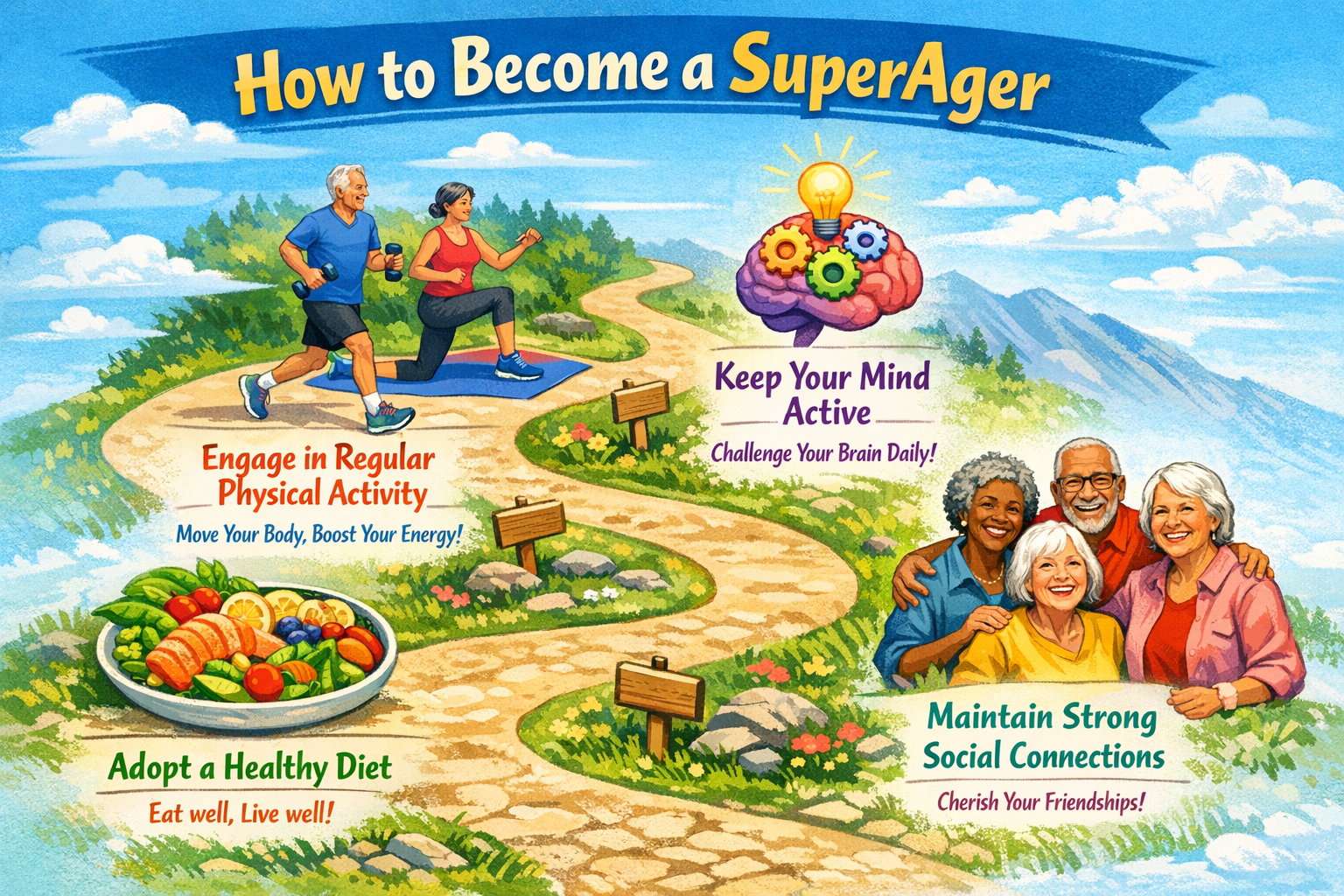
The exciting news is that many of the habits of SuperAgers are within our control. By intentionally incorporating these strategies into daily life, individuals can significantly enhance their chances of maintaining cognitive vitality and physical resilience as they age. This isn’t about finding a magic bullet but rather adopting a holistic, consistent approach to well-being.
Adopt a Healthy Diet
Your diet is brain fuel. Prioritizing nutrient-rich foods and minimizing harmful ones is fundamental.
Nutrient-Rich Foods
Focus on an anti-inflammatory, antioxidant-rich diet, often resembling the Mediterranean diet.
- Daily Dose of Greens: Incorporate leafy greens like spinach, kale, and Swiss chard into your meals daily. They are powerhouses of vitamins, minerals, and antioxidants like lutein and zeaxanthin, which are protective for brain health. Aim for at least 1-2 servings per day.
- Omega-3 Power: Consume fatty fish such as salmon, mackerel, and sardines at least twice a week. These are rich in DHA and EPA, essential for brain cell structure and function. If fish isn’t an option, consider flaxseeds, chia seeds, walnuts, or an algal oil supplement.
- Berry Boost: Enjoy a variety of berries (blueberries, strawberries, raspberries) several times a week. Their high anthocyanin content helps improve memory and protect against oxidative stress.
- Healthy Fats: Include avocados, nuts (especially walnuts and almonds), and olive oil. These provide monounsaturated and polyunsaturated fats vital for brain health.
- Whole Grains: Opt for whole grains like oats, quinoa, brown rice, and whole-wheat bread over refined grains. They provide complex carbohydrates for sustained energy and fiber.
- Hydration: Don’t underestimate water! Dehydration can impair cognitive function. Ensure consistent water intake throughout the day.
Avoiding Processed Foods
Minimizing processed foods is just as crucial as adding beneficial ones.
- Limit Sugary Drinks and Refined Sugars: High sugar intake is linked to inflammation and can negatively impact memory and learning. Reduce sodas, sweetened juices, and excessive consumption of sweets.
- Reduce Unhealthy Fats: Avoid trans fats (often found in baked goods and fried foods) and limit saturated fats, which can contribute to inflammation and heart disease, indirectly affecting brain health.
- Processed Meats and Fast Food: These items often contain high levels of sodium, unhealthy fats, and preservatives that can contribute to systemic inflammation.
- Read Labels: Become a conscious consumer. Pay attention to ingredient lists and nutritional information to make informed choices.
Engage in Regular Physical Activity
Movement is medicine for both the body and the brain. Consistent exercise is a non-negotiable for SuperAgers.
Types of Exercises
A well-rounded fitness routine includes a mix of activities.
- Aerobic Exercise: Aim for at least 150 minutes of moderate-intensity aerobic exercise per week, or 75 minutes of vigorous activity.
- Brisk Walking: A fantastic low-impact option that improves cardiovascular health.
- Swimming: Excellent for joint health and a full-body workout.
- Cycling: Can be done outdoors or on a stationary bike.
- Dancing: Offers both physical and mental benefits, requiring coordination and memory.
- Strength Training: Incorporate strength training exercises 2-3 times per week. This helps maintain muscle mass, bone density, and overall functional strength.
- Bodyweight Exercises: Squats, lunges, push-ups (modified as needed).
- Resistance Bands: Offer versatile resistance for various muscle groups.
- Light Weights: Hand weights or resistance machines.
- Flexibility and Balance: Include activities like yoga or Tai Chi a few times a week. These improve balance, flexibility, and core strength, reducing the risk of falls and improving overall mobility.
Exercise Frequency
Consistency is more impactful than intensity.
- Daily Movement: Even short bursts of activity throughout the day add up. Take the stairs, park further away, walk during phone calls.
- Structured Workouts: Schedule dedicated workout sessions just like any other important appointment.
- Listen to Your Body: Adapt your routine as needed, but strive for regular, sustained effort. The goal is long-term adherence, not short-term burnout.
Keep Your Mind Active
The brain thrives on challenge and novelty. Think of it as intellectual weightlifting.
Mental Exercises
Actively seek out activities that stimulate various cognitive functions.
- Puzzles and Brain Games: Engage with crossword puzzles, Sudoku, jigsaw puzzles, logic puzzles, or online brain-training games. These challenge problem-solving skills, memory, and attention.
- Reading Diversely: Read a wide range of materials – fiction, non-fiction, news articles, academic papers. This expands vocabulary, comprehension, and critical thinking. For more on the benefits, check out “Most Powerful Benefits of Reading Books” on AkReviews.
- Creative Hobbies: Pursue activities like painting, drawing, writing, playing a musical instrument, or learning photography. These engage different parts of the brain and foster creativity.
- Memory Training: Practice techniques like memorizing lists, recalling details from your day, or learning a new language. Even short daily sessions can make a difference.
Lifelong Learning
Embrace the mindset of a perpetual student.
- Learn a New Skill: This could be anything from coding to cooking a new cuisine, gardening, or mastering a craft. The process of acquiring a new skill creates and strengthens neural pathways.
- Take a Class or Workshop: Enroll in adult education courses, online learning platforms, or local community workshops. This provides structured learning and often social interaction.
- Explore New Subjects: Delve into topics you’ve always been curious about, whether it’s history, astronomy, philosophy, or a different culture.
- Stay Informed: Keep up with current events and engage in thoughtful discussions about them.
- Teach Others: Explaining a concept to someone else is a powerful way to solidify your own understanding and reinforce learning.
Maintain Strong Social Connections
Humans are social beings, and our brains benefit immensely from meaningful interactions.
Building Relationships
Nurture and expand your social network.
- Prioritize Family and Friends: Make a conscious effort to regularly connect with loved ones. Schedule calls, video chats, or in-person visits.
- Engage in Meaningful Conversations: Go beyond superficial interactions. Discuss ideas, share feelings, and listen actively. These types of exchanges stimulate higher-level cognitive processes.
- Join Clubs or Groups: Seek out groups aligned with your interests – a book club, a hiking group, a crafting circle, or a local sports team. This introduces you to new people with shared passions.
- Volunteer Your Time: Giving back to the community is a powerful way to foster connections, gain a sense of purpose, and boost emotional well-being.
- Practice Empathy: Actively listening and understanding others’ perspectives strengthens social bonds and engages complex emotional and cognitive circuits.
Community Involvement
Extend your social circle beyond close friends and family.
- Local Events: Attend local festivals, lectures, concerts, or farmers’ markets. These are great opportunities to interact with a broader community.
- Community Centers: Many community centers offer a range of activities, from fitness classes to discussion groups, specifically for seniors.
- Mentorship: Consider mentoring younger individuals in your area of expertise. This provides mental stimulation and a sense of contribution.
- Advocacy Groups: Join or support groups that align with your values. Working towards a common goal can be incredibly rewarding and socially connective.
- Travel and Exploration: Visiting new places and interacting with different cultures can broaden your perspective and lead to new social encounters.
Cognitive health is not a passive outcome but an active pursuit. By adopting the integrated habits of SuperAgers – engaging in regular physical activities, maintaining a healthy, brain-supporting diet, keeping your mind continuously stimulated, and fostering strong social connections – you can significantly enhance your mental sharpness and overall well-being. These practices contribute to cognitive resilience, offering a tangible path to aging gracefully and maintaining a vibrant mind. For more information and resources on improving your overall well-being and defying aging, explore additional articles on AkReviews. Embrace this journey of cognitive vitality and discover the remarkable potential of your mind as you age.