Have you ever found yourself in a relationship where, despite a deep initial spark and genuine affection, things just felt… off? Like something was slowly but surely chipping away at the foundation, leaving you feeling disconnected or constantly on edge? You’re not alone. Many relationships, even those with significant love and attraction, falter not due to a lack of feeling, but because of persistent unhealthy relationship habits. These often-invisible patterns can silently erode trust, understanding, and eventually, any hope for a lasting connection in relationships. From subtle toxic relationship behaviors to deeper issues like emotional avoidance, these habits prevent true emotional intimacy from blossoming.
This article isn’t about blaming or shaming; it’s about empowerment. It’s a guide to recognizing the silent destroyers of love and learning how to replace them with healthy relationship patterns that foster a stable, respectful, and deeply connected bond. Whether you’re in a relationship striving for more, or single and committed to building healthier dynamics in your next partnership, understanding these pitfalls is your first step toward profound, enduring connection.

Key Takeaways
- Communication is King (or Queen!): Poor communication, including stonewalling, defensiveness, and passive aggression, is a primary driver of emotional distance.
- Boundaries are Non-Negotiable: A lack of clear personal boundaries or a disrespect for a partner’s boundaries creates resentment and instability.
- Past Pain Impacts Present Love: Unresolved trauma or past relationship patterns can unconsciously sabotage current connections, manifesting as fear of intimacy or trust issues.
- Emotional Intimacy Requires Vulnerability: Avoiding tough conversations and emotional honesty prevents true closeness and a lasting connection.
- Self-Awareness is the Foundation: Recognizing your own unhealthy habits and taking responsibility for them is crucial for transforming your relationships.
The Silent Destroyers: Unhealthy Relationship Habits That Erode Trust and Intimacy

Imagine two people, deeply in love, building a house together. But instead of solid bricks, they keep using faulty materials – chipped wood, leaky pipes, cracked glass. Over time, that house, no matter how beautiful the initial design, will start to crumble. This is what happens in relationships when unhealthy relationship habits become the norm. They are the faulty materials that slowly but surely erode the foundation of trust and emotional intimacy, preventing a truly lasting connection in relationships.
Let’s unpack some of the most common culprits.
1. The Communication Catastrophe: When Words Fail (Or Wound)
Communication is often touted as the bedrock of any relationship, and for good reason. But it’s not just about talking; it’s about how we talk and how we listen. Many toxic relationship behaviors stem from deeply flawed communication styles.
- The Silent Treatment (Stonewalling): Picture this: one partner is upset and tries to discuss an issue, but the other shuts down completely, refusing to engage, making eye contact, or even acknowledging their presence. This isn’t peace-keeping; it’s a profound act of aggression and avoidance that leaves the other person feeling invisible and dismissed. It creates a chasm where connection should be.
- Defensiveness: “It’s Not My Fault!”: When feedback or criticism (even constructive) is met with immediate counter-attack, blame-shifting, or excuses, genuine resolution becomes impossible. “You always do X!” is met with “Well, you always do Y!” This cyclical blame game prevents both partners from taking responsibility and understanding each other’s perspectives. It’s a wall built against vulnerability.
- Passive Aggression: The Sneaky Saboteur: Instead of direct confrontation, issues manifest as veiled sarcasm, backhanded compliments, deliberate forgetfulness, or subtle sabotage. This creates a deeply unsettling environment where one partner feels constantly confused and hurt, never quite able to pinpoint the source of tension. It’s a slow poison to trust.
- Mind-Reading Expectations: Expecting your partner to intuitively know what you need, want, or are feeling without you expressing it directly is a recipe for disappointment and resentment. No one is a mind-reader, and this habit puts immense unfair pressure on your partner, leading to frequent misunderstandings and unmet needs.
Anecdote: Sarah and Mark loved each other deeply, but their arguments always ended in a stalemate. Sarah would try to express her frustrations, only for Mark to immediately become defensive, rattling off a list of her own perceived faults. The conversations would spiral, leaving both feeling unheard and misunderstood. Their initial deep attraction was slowly being chipped away by this constant cycle of blame and defensiveness, making a true lasting connection in relationships seem impossible. For more on effective communication, explore this guide on effective communication in relationships.
2. The Boundary Blunder: When “No” Isn’t Heard or Said
Boundaries are the invisible fences that protect our individual identities and well-being within a relationship. They define what’s okay and what’s not okay, what’s mine and what’s yours. A lack of clear boundaries, or a consistent disrespect for them, is a classic sign of unhealthy relationship habits.
- Over-Enmeshment: Losing Yourself: This occurs when two people become so intertwined that their individual identities blur. There’s no space for opinions, hobbies, or even friendships outside the relationship. It often stems from a fear of abandonment or a desperate need for constant connection, but it ultimately stifles growth and breeds resentment.
- Disregarding Personal Space: Ignoring requests for alone time, reading private messages, or decide for a partner without consultation are violations of personal autonomy. This behavior signals a lack of respect and trust, which are critical for emotional intimacy.
- Constant Testing of Limits: Pushing boundaries repeatedly, whether it’s about personal time, financial decisions, or social interactions, demonstrates a disregard for the partner’s needs and limits. This creates an environment of anxiety and defensiveness, making the relationship feel unsafe rather than a source of lasting connection in relationships.
Key Indicators of Weak Boundaries:
| Symptom | Impact on Relationship |
|---|---|
| Feeling Overwhelmed | Resentment builds, leading to emotional distance. |
| Lack of Personal Identity | Individuals feel stifled, leading to unhappiness. |
| Frequent Conflicts | Misunderstandings arise from unspoken expectations. |
| Dependency | One partner might feel responsible for the other’s emotions. |
Understanding and setting healthy expectations is vital for both establishing and respecting boundaries. You can learn more about expectations in a relationship to better navigate this.
Unresolved Echoes: How Past Patterns and Avoidance Sabotage Love

It’s often said that we bring our past into our present. This couldn’t be truer in relationships. Unresolved trauma, past hurts, or ingrained family dynamics can unknowingly fuel unhealthy relationship habits, making it incredibly difficult to build healthy relationship patterns and deep emotional intimacy.
1. The Shadow of the Past: Unresolved Trauma and Relationship Patterns
Many of us carry baggage from previous relationships, childhood experiences, or even societal conditioning. When this baggage remains unaddressed, it can manifest as toxic relationship behaviors in our current partnerships.
- Fear of Intimacy/Abandonment: Someone who has experienced past abandonment might cling too tightly, becoming overly dependent, or conversely, push people away to avoid potential future pain. This push-pull dynamic creates instability and prevents genuine closeness.
- Trust Issues and Suspicion: A history of betrayal can make it incredibly difficult to trust a new partner, leading to constant suspicion, unwarranted accusations, and a need for excessive control. This suffocates the space needed for a lasting connection in relationships. Building trust is a delicate process; explore the importance of trust in relationships for more insights.
- Replaying Old Scripts: We often unconsciously re-enact relationship dynamics from our past – perhaps mirroring a parent’s marriage or an unhealthy ex-partner’s behavior. Recognizing these “scripts” is the first step to rewriting them.
Anecdote: David had a history of partners who had cheated on him. In his new relationship with Maria, despite her unwavering loyalty, he constantly questioned her movements, checked her phone, and doubted her sincerity. His past trauma created a cycle of suspicion that was deeply hurting Maria and preventing them from cultivating a lasting connection in relationships. He realized his unhealthy relationship habits were rooted in his own unresolved pain, not Maria’s actions.
2. Emotional Avoidance: The Wall Around the Heart
True emotional intimacy requires vulnerability – the willingness to show up fully, imperfections and all. Emotional avoidance is the opposite of this; it’s a deliberate (though often unconscious) effort to bypass deep feelings, especially difficult ones.
- “Brushing Things Under the Rug”: Avoiding conflicts or uncomfortable truths might seem like a way to keep the peace, but it only allows resentment and unresolved issues to fester. These suppressed feelings eventually erupt or create a silent wedge between partners.
- Lack of Vulnerability: The Mask of Perfection: Always needing to appear strong, infallible, or “fine” prevents a partner from truly seeing and supporting you. This emotional guardedness keeps a safe distance, making genuine bonding impossible.
- Difficulty Expressing Needs: When partners struggle to articulate their emotional needs, it leaves both feeling frustrated and misunderstood. How can someone meet your needs if they don’t know what they are?
This avoidance often stems from a fear of rejection, a belief that one’s true feelings are unacceptable, or even a lack of emotional intelligence. Developing emotional intelligence is crucial for overcoming this hurdle.
“Love is not enough. Relationships thrive on mutual respect, unwavering trust, and the courageous vulnerability to truly see and be seen.”
Cultivating Lasting Connection: Building Healthy Relationship Patterns
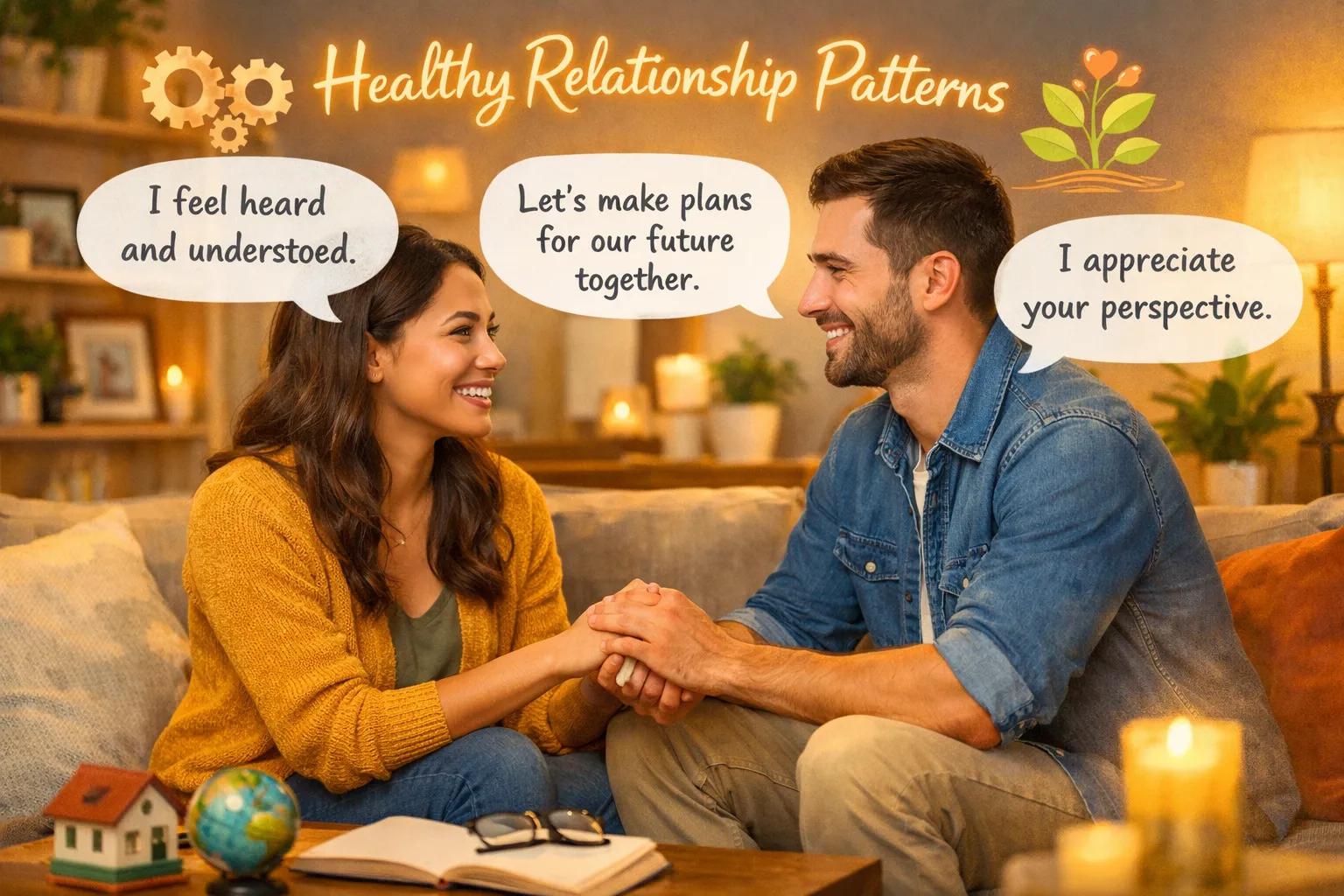
Recognizing unhealthy relationship habits is only half the battle. The genuine work, and the real reward, comes in actively replacing those toxic relationship behaviors with healthy relationship patterns that nurture emotional intimacy and foster a truly lasting connection in relationships.
1. The Power of Intentional Communication
- Active Listening: This means truly hearing your partner, not just waiting for your turn to speak. Put away distractions, make eye contact, and reflect what you hear to ensure understanding. “So, if I’m understanding correctly, you’re feeling X because of Y?” This validates their feelings and prevents misinterpretations.
- “I” Statements: Instead of “You always make me feel X,” try “I feel X when Y happens.” This focuses on your experience rather than blaming, making your partner less defensive and more open to hearing you.
- Regular Check-ins: Don’t wait for a crisis to talk. Schedule dedicated time to discuss your day, your feelings, and any minor issues before they escalate. Think of it as preventative maintenance for your relationship.
- Apologize Sincerely: When you make a mistake, acknowledge it, express genuine remorse, and take responsibility. Avoid conditional apologies (“I’m sorry if you felt that way”). For more in-depth insights into conversation skills, consider exploring the art of conversation.
2. Establishing and Respecting Healthy Boundaries
- Define Your Needs: Understand what you need for your well-being – physically, emotionally, mentally, and spiritually. What are your non-negotiables?
- Communicate Boundaries Clearly: Once you know your boundaries, articulate them respectfully to your partner. “I need some alone time after work to decompress before we talk about important issues.”
- Respect Your Partner’s Boundaries: Just as you expect your boundaries to be honored, attempt to respect theirs. This builds mutual trust and safety.
- Practice Saying “No”: It’s okay to decline requests or activities that don’t align with your comfort or needs. Saying “no” to something you would rather not do is saying “yes” to yourself and to the integrity of the relationship.
3. Healing the Past and Embracing Vulnerability
- Self-Reflection and Awareness: Take time to understand your own triggers, fears, and automatic reactions. Journaling, mindfulness, or therapy can be invaluable tools. Understanding how gratitude makes us happier and healthier can also play a role in this self-reflection.
- Seek Professional Support: If past trauma or deep-seated patterns are impacting your relationship, don’t hesitate to seek individual or couples therapy. A therapist can provide tools and a safe space to process and heal.
- Practice Vulnerability Incrementally: Start with small acts of vulnerability. Share a feeling you’re experiencing, admit a mistake, or ask for help. Observe how your partner responds. Over time, this builds confidence and deepens emotional intimacy.
- Cultivate Empathy: Try to understand your partner’s perspective and feelings, even if you don’t agree with them. Empathy is the bridge to deeper connection.
A Path to Deeper Bonding: Practical Steps
- Date Nights & Quality Time: Regularly dedicate uninterrupted time to connect and enjoy each other’s company.
- Shared Experiences: Engage in new activities or hobbies together to create fresh memories and strengthen your bond.
- Words of Affirmation: Express appreciation and love regularly. Simple compliments or thank yous can go a long way.
- Physical Affection: Hugs, hand-holding, and intimacy are vital for maintaining a physical and emotional bond.
- Conflict Resolution Skills: Learn how to argue constructively, focusing on solutions rather than blame. Check out tips for a happy married life for more guidance.
Building a truly lasting connection in relationships is an ongoing journey. It requires self-awareness, courage, and a commitment from both partners to continuously grow and adapt. By consciously breaking free from unhealthy relationship habits and embracing healthy relationship patterns, you can transform your bond into a sanctuary of trust, respect, and profound emotional intimacy.
Conclusion
The pursuit of a lasting connection in relationships is one of the most fulfilling journeys we undertake. Yet, it’s a path often riddled with hidden obstacles: the unhealthy relationship habits we unconsciously bring into our partnerships. These toxic relationship behaviors, whether they manifest as poor communication, a disregard for boundaries, or the lingering shadows of past wounds, silently chip away at the very foundation of trust and emotional intimacy. They leave us feeling disconnected, misunderstood, and questioning the viability of our deepest bonds.
The good news? Recognizing these habits is the most powerful step you can take. It’s an act of self-love and an invitation for profound change. By understanding why emotional closeness fades and how these patterns develop, you gain the agency to pivot. This isn’t about perfection; it’s about progress, patience, and persistent effort.
Actionable Next Steps:
- Reflect and Identify: Take an honest look at your own relationship patterns. Which unhealthy relationship habits resonate most with your experiences? Be courageous in your self-assessment.
- Communicate Openly: Choose a calm moment to discuss your observations with your partner (if applicable). Use “I” statements and focus on shared solutions, not blame. If you’re single, reflect on how these habits have impacted your past relationships.
- Set One Small, Achievable Goal: Don’t try to fix everything at once. Pick one habit you want to change – maybe practicing active listening for 10 minutes each day, or clearly stating one personal boundary.
- Seek Support: Whether it’s through self-help resources, books, trusted friends, or professional therapy, lean on support systems as you navigate this transformation. Remember, you don’t have to do it alone.
- Practice Patience and Persistence: Change takes time. There will be setbacks. Be kind to yourself and your partner, and recommit to building healthy relationship patterns daily.
Breaking free from unhealthy relationship habits isn’t just about saving a relationship; it’s about evolving as an individual, fostering a deeper sense of self-respect, and ultimately, building the kind of authentic, lasting connection in relationships that truly enriches life in 2026 and beyond. Embrace this journey of growth, and watch as your relationships transform into the secure, loving spaces they were always meant to be.