The silence in a conversation often speaks louder than words, and similarly, the unseen struggles within can be far more debilitating than overt crises. In the relentless pace of 2026, many high-achievers find themselves caught in a quiet but pervasive state of decline: Quiet Burnout: Recognizing and Breaking the Subtle Cycles of Procrastination and Emotional Exhaustion. This isn’t the dramatic, crash-and-burn exhaustion often depicted; instead, it’s a slow, insidious drain that erodes energy, motivation, and joy, often masked by an outward appearance of competence and control. For those who pride themselves on productivity and resilience, recognizing this subtle form of burnout is the first crucial step towards reclaiming their peace and vitality. AkReviews is here to help you unlock your inner dialogue, understand these hidden cycles, and provide a map to navigate your way back to cognitive vitality and true self-mastery.
Key Takeaways
- Quiet Burnout is Insidious: It’s a subtle, prolonged state of emotional and mental exhaustion, often hidden by high-achievers who maintain an outward appearance of capability despite internal struggles with procrastination and waning motivation.
- Rooted in Psychological Traps: Perfectionism, people-pleasing, and disrupted dopamine reward systems are primary drivers, leading to cycles of overcommitment, underperformance, and self-criticism.
- Signs are Often Internalized: Symptoms include chronic procrastination, pervasive low-grade anxiety, a sense of detachment, increased irritability, and a feeling of being constantly overwhelmed without clear reason.
- Recovery Requires Intentional Action: Breaking these cycles demands a holistic approach, focusing on psychological re-patterning, setting firm boundaries, conscious habit formation, and nurturing self-compassion.
- Proactive Strategies are Key: Implementing science-backed methods like dopamine fasting, micro-tasking, structured breaks, and mindful self-reflection can effectively reverse the effects and foster long-term resilience.
Unpacking the Hidden Drains: Identifying Quiet Burnout in High-Achievers
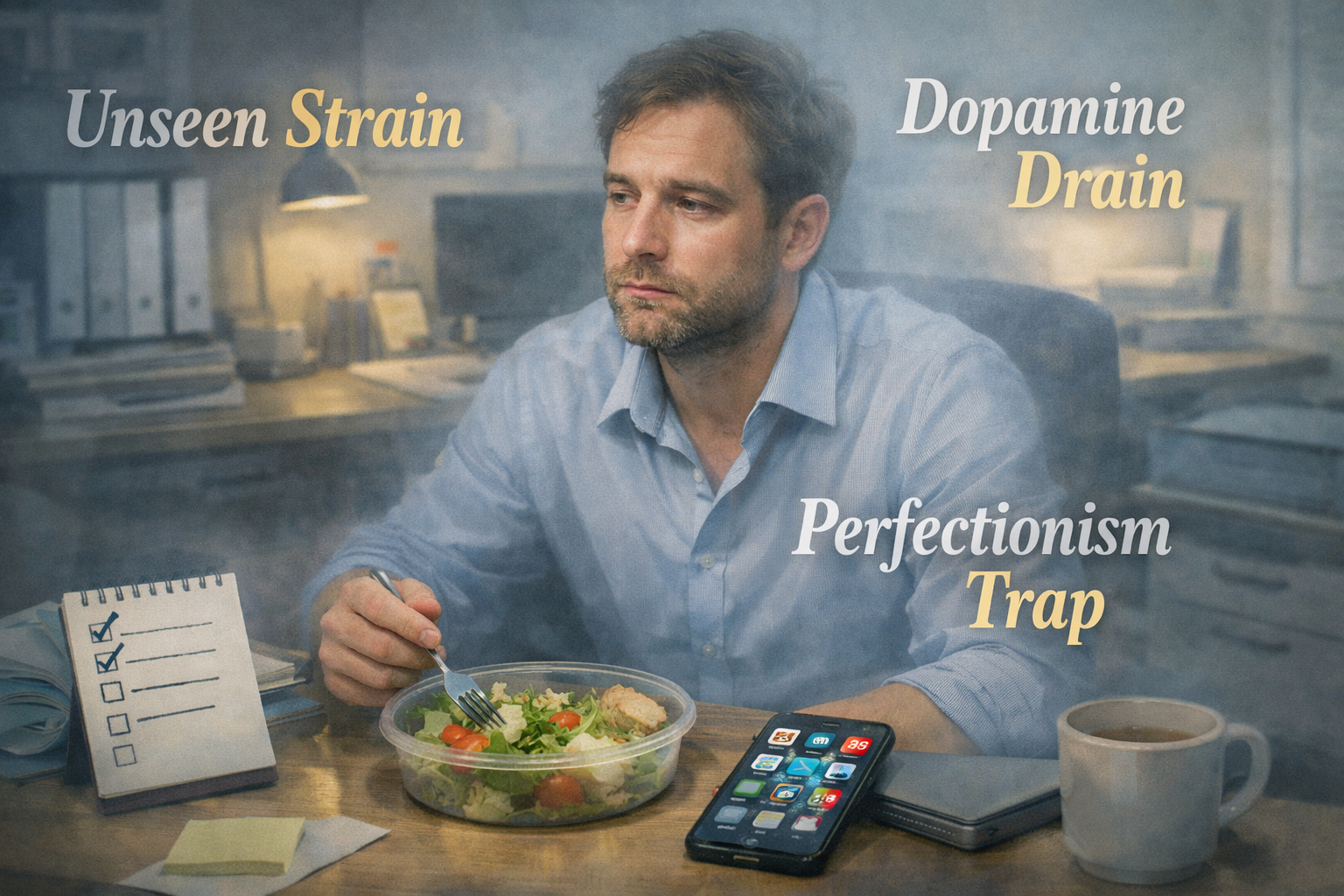

Imagine a perfectly polished machine, humming along, meeting every deadline, exceeding every expectation. Yet, beneath the gleaming exterior, a tiny, almost imperceptible leak is slowly draining its fuel. This is the essence of quiet burnout in high achievers. These individuals, often driven by perfectionism and a deep-seated need to please others, are vulnerable because their own high standards and external validation [ often mute their internal alarm bells [2]. They excel at masking their struggles, making this form of burnout especially challenging to detect and address.
According to recent expert analyses from late 2025 and early 2026, the quiet burnout crisis is silently affecting a significant portion of the workforce, particularly those in demanding roles who are also managing complex personal lives [2]. This phenomenon isn’t just about feeling tired; it’s a profound state of emotional and mental exhaustion that leads to subtle yet pervasive changes in behavior and cognitive function. The danger lies in its subtlety; it rarely manifests with dramatic breakdowns but with a slow, steady erosion of engagement, creativity, and overall well-being.
The Psychological Anchors: Perfectionism, People-Pleasing, and Dopamine Disruption
Why are high-achievers so susceptible to quiet burnout? The answer lies in a confluence of psychological factors:
- Perfectionism’s Paradox: The drive for perfection, while seemingly a positive trait, can be a relentless taskmaster. Perfectionists often set unrealistic standards for themselves, fearing failure and seeing any less-than-perfect outcome as a personal indictment. This leads to an endless cycle of overworking, tweaking, and redoing, making it impossible to truly rest or feel satisfied [3]. The constant pursuit of an unattainable ideal fuels chronic stress and emotional depletion.
- The People-Pleasing Predicament: Many high-achievers are also people-pleasers, driven by a need for external approval and a fear of disappointing others. This can lead to saying “yes” to every request, taking on excessive responsibilities, and neglecting their needs and boundaries. The emotional labor involved in constantly expecting and meeting others’ expectations is immense, leaving little energy for self-care or genuine connection. You are constantly trying to protect your peace but find it challenging when external demands are too high.
- Dopamine Reward System Disruption: Our brains are wired for reward. When we accomplish a goal, our brain releases dopamine, a neurotransmitter associated with pleasure and motivation. However, in quiet burnout, this system can become dysregulated. High-achievers might constantly chase the next achievement, the next “win,” to get that dopamine hit. Yet, as exhaustion sets in, the rewards feel less satisfying, and the effort required to achieve them becomes exponentially greater. This leads to a diminished return on effort, where tasks that once felt invigorating now feel like an unbearable chore. The initial burst of energy from starting a new task quickly fades, leaving behind a trail of unfinished projects and a growing sense of inadequacy. This can create a subtle, almost imperceptible cycle of procrastination. The thought of starting something new, which typically brings a dopamine surge, now just adds to the overwhelm.
Identifying the Silent Warning Signs
Because quiet burnout operates beneath the surface, its symptoms are often dismissed or misinterpreted. It’s crucial to understand these subtle cues to intervene before they escalate into full-blown exhaustion.
Here are 5 key indicators that you might be experiencing quiet burnout:
- Pervasive Procrastination: Not the occasional delay, but a chronic pattern of putting off important tasks, especially those that require significant mental effort. This isn’t laziness; it’s often a subconscious defense mechanism against perceived failure or the overwhelming feeling associated with the task [3]. You might find yourself scrolling social media or doing low-priority tasks instead of tackling what truly matters.
- Emotional Detachment and Numbness: A sense of apathy towards work, hobbies, or even relationships that once brought joy. You might feel disconnected from your emotions, finding it challenging to get excited or upset, leaving you in a state of emotional flatlining. This impacts your ability to deepen the bond with loved ones and navigate the complexities of connection.
- Chronic Low-Grade Anxiety or Irritability: A constant hum of worry in the background, making it difficult to relax. Small stressors feel amplified, leading to disproportionate emotional responses or a persistent feeling of being on edge.
- Diminished Cognitive Function: Noticeable declines in focus, memory, and decision-making abilities. You might forget details, struggle to concentrate on complex tasks, or feel mentally foggy. This directly affects your cognitive vitality. For strategies to improve your mental focus, see our guide on 16 Useful Tips for Improving Your Mental Focus.
- Physical Symptoms Without Clear Cause: Persistent fatigue that sleep doesn’t resolve, frequent headaches, muscle tension, or stomach issues. These are often the body’s way of signaling deep-seated stress and exhaustion.
One expert from late 2025 noted that women, particularly high-achieving women, are disproportionately affected by quiet burnout, often because of societal pressures to constantly perform and nurture others [4]. This highlights the holistic nature of this condition, extending beyond just professional demands.
Pull Quote: “Quiet burnout isn’t a sudden collapse; it’s a slow leak, draining your vitality drop by agonizing drop, often unnoticed until you’re running on empty.”
Recognizing these signs is the initial step towards acknowledging the problem. It’s about validating your struggles and understanding that these feelings are not a personal failing but a systemic response to prolonged stress.
Breaking the Subtle Cycles: Strategies for Recovery and Resilience
Once you’ve identified the signs of Quiet Burnout: Recognizing and Breaking the Subtle Cycles of Procrastination and Emotional Exhaustion, the next crucial step is to consciously dismantle its mechanisms and build a path to recovery. This process isn’t about simply “pushing through” or “working harder”; it’s about re-patterning your brain, re-establishing healthy boundaries, and rekindling your intrinsic motivation. AkReviews is dedicated to helping you master the overwhelm and build a sustainable vision for change.
Re-patterning the Brain: Dopamine Reset and Micro-Tasking
Breaking the cycle of procrastination and emotional exhaustion requires a deliberate recalibration of your brain’s reward system and approach to tasks.
- Dopamine Fasting (Strategic Disengagement): This involves temporarily reducing exposure to easy dopamine hits from sources like social media, excessive streaming, or even certain types of stimulating work. The goal isn’t deprivation but recalibration. By lowering your baseline for stimulation, simpler, more productive tasks can feel more rewarding again [1].
- Actionable Step: Designate specific times each day or a full day each week when you consciously avoid non-essential digital distractions. Use this time for quiet reflection, deep work, or engaging in activities that require sustained attention without instant gratification.
- Micro-Tasking and ‘Tiny Wins’: Large, daunting tasks fuel procrastination because they appear overwhelming and offer a distant reward. Break down tasks into the smallest possible, achievable steps. Each completed micro-task provides a small, immediate dopamine boost, building momentum and a sense of accomplishment.
- Actionable Step: Instead of “Write report,” try “Open document,” then “Write title,” then “Write first paragraph.” Celebrate each tiny win. This strategy can significantly boost motivation and reduce the mental barrier to starting. For more secret tips on studying effectively, you can refer to our article on Secret Tips to Studying Effectively and Prolonging Your Study Session!.
Setting Boundaries: Protecting Your Peace and Energy
High-achievers, especially those prone to people-pleasing, often struggle with boundaries. However, robust boundaries are non-negotiable for recovery from quiet burnout. They are the invisible shields that protect your mental and emotional energy.
- The Power of “No”: Learning to decline requests that don’t align with your priorities or capacity is fundamental. This isn’t selfish; it’s self-preservation.
- Actionable Step: Practice saying “no” politely but firmly. You don’t always need a detailed explanation. “I appreciate the offer, but I can’t take that on right now” is perfectly sufficient. Reflect on why you feel the need to always say yes and challenge those underlying beliefs.
- Time Blocking and Digital Detox Zones: Schedule your work, but also schedule your rest, creative time, and personal time. Treat these blocks as non-negotiable appointments. Create digital detox zones—specific hours or areas where work-related emails, messages, and calls are strictly off-limits.
- Actionable Step: Use a calendar to visually allocate time for deep work, breaks, and personal activities. Silence notifications during non-work hours. This allows your mind to truly disconnect and recharge. For insight on how to find work-life balance, see our guide on how do I find work-life balance.
Cultivating Self-Compassion and Mindful Practices
The internal critic often goes into overdrive during quiet burnout, exacerbating feelings of inadequacy and failure. Counteracting this requires intentional self-compassion and mindfulness.
- Mindful Self-Reflection: Regularly check in with your emotional and physical state without judgment. Acknowledge your feelings of exhaustion or overwhelm, rather than suppressing them. This practice helps you understand your patterns and triggers.
- Actionable Step: Dedicate 5-10 minutes each day for mindful breathing or journaling. Ask yourself, “How am I truly feeling right now?” “What do I need?” This builds emotional intelligence and self-awareness. Our article on Meditation In Depth can provide further guidance.
- Embrace Imperfection: Release the grip of perfectionism. Understand that “good enough” is often superb enough. Focusing on progress over perfection can dramatically reduce stress and increase satisfaction.
- Actionable Step: Deliberately allow yourself to submit or complete a task that isn’t absolutely flawless. Observe that the world doesn’t end. This rewires your brain’s association with imperfection.
- Scheduled Breaks and Rest: Contrary to popular belief, taking breaks isn’t a sign of weakness; it’s a strategic tool for maintaining cognitive vitality and preventing burnout [5]. Regular, restorative breaks are essential for mental recovery.
- Actionable Step: Incorporate short, active breaks (e.g., stretching, a quick walk) every 60-90 minutes. Ensure you have dedicated leisure time outside of work. Read about The Benefits of Taking a Work Break: Boost Productivity and Relieve Stress! for more insights.
Nurturing Holistic Well-being
Recovery from Quiet Burnout: Recognizing and Breaking the Subtle Cycles of Procrastination and Emotional Exhaustion is a holistic endeavor, touching all aspects of your life.
- Prioritize Sleep: Consistent, quality sleep is fundamental for brain repair, emotional regulation, and energy restoration.
- Actionable Step: Establish a regular sleep schedule, create a calming bedtime routine, and ensure your sleep environment is conducive to rest. Check out 10 Simple Things That Will Make You Sleep Like a Baby Tonight for practical tips.
- Nutrient-Rich Diet and Hydration: Fueling your body with whole foods and staying hydrated directly impacts your energy levels and cognitive function.
- Actionable Step: Focus on balanced meals rich in fruits, vegetables, lean proteins, and healthy fats. Minimize processed foods and excessive caffeine.
- Physical Activity: Even moderate exercise can significantly reduce stress hormones, boost mood, and improve energy.
- Actionable Step: Find an activity you enjoy, whether it’s walking, yoga, or dancing, and aim for at least 30 minutes most days of the week.
- Meaningful Connections: Isolation can exacerbate burnout. Nurture relationships that offer genuine support and connection. Sharing your struggles with trusted friends or family can be incredibly validating and therapeutic.
- Actionable Step: Schedule regular time with loved ones. Engage in open, honest communication. Remember that strong relationships are crucial for well-being; our article on The Importance of Trust in Relationships: Building and Maintaining Trust. can offer further guidance.
- Seek Professional Support: If you find yourself unable to break these cycles independently, reach out to a therapist or coach specializing in burnout. They can provide personalized strategies and support.
- Actionable Step: Research mental health professionals in your area or consider online therapy options. Sporadically, an aim external perspective is precisely what’s needed to gain a vision for change.
Breaking free from quiet burnout is not a linear path but a journey of self-discovery and intentional action. It requires patience, self-compassion, and a commitment to prioritizing your well-being over unrelenting productivity. By integrating these strategies, you can not only recover but also build a more resilient and fulfilling life, protecting your peace and cultivating a sustained sense of cognitive vitality. The path to “quiet thriving,” as some experts call it for 2026, begins with recognizing the silent struggle and choosing to act [1].
Conclusion
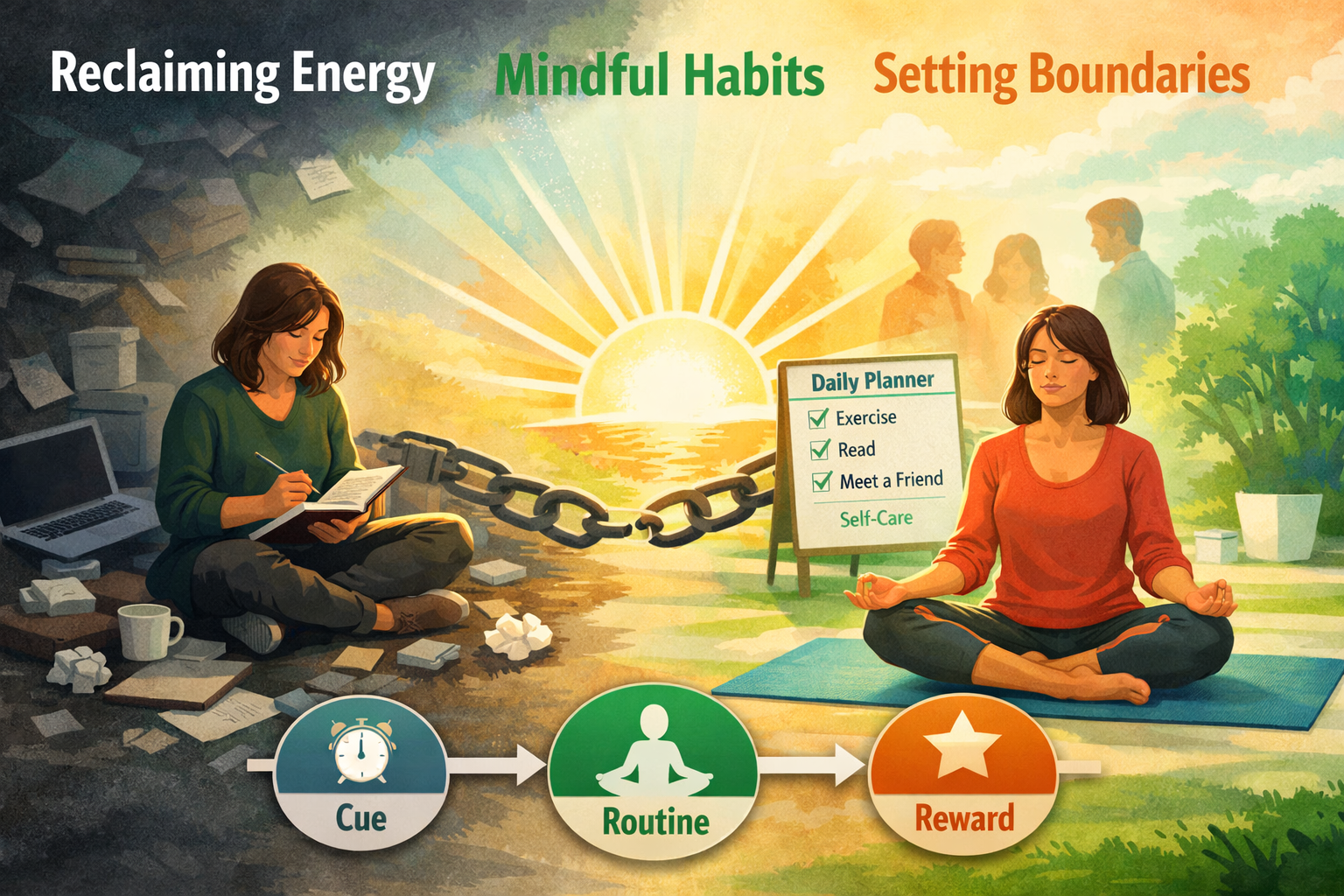
The insidious nature of quiet burnout—recognizing and breaking the subtle cycles of procrastination and emotional exhaustion—means it can easily go undetected, slowly draining the lifeblood from even the most dedicated individuals. For high-achievers caught in its grip, the outward appearance of success often belies a deep internal struggle fueled by perfectionism, people-pleasing, and a disrupted dopamine reward system. AkReviews understands that this is not a sign of weakness but a complex response to sustained pressure and unaddressed emotional needs.
By equipping yourself with the knowledge to recognize the subtle warning signs—chronic procrastination, emotional detachment, pervasive anxiety, and diminished cognitive function—you take the first, most powerful step towards reclaiming your well-being. The journey back to vitality involves a deliberate re-patterning of your habits and thought processes. This includes strategically recalibrating your dopamine system through mindful disengagement and celebrating micro-tasks, along with setting firm boundaries to protect your precious energy. Cultivating self-compassion, embracing imperfection, and prioritizing holistic well-being—from sleep and nutrition to meaningful connections and professional support—are all vital components of this transformative process.
The current year, 2026, is an opportune time to make a decisive move away from burnout and towards a life of sustainable fulfillment and cognitive vitality [5]. Remember, you are not alone in this struggle, and your capacity for resilience is immense. By bravely addressing the hidden cycles of quiet burnout, you are not just recovering; you are embarking on a journey of profound self-mastery, ensuring that your inner peace and energy are safeguarded for the long run.
Actionable Next Steps:
- Perform a Self-Assessment: Take a moment to honestly reflect on the quiet burnout symptoms discussed. Which ones resonate most with your current experience?
- Identify One Boundary: Choose one area where you can set a firmer boundary this week—it could be declining a non-essential request, dedicating 30 minutes to a digital detox, or protecting your sleep.
- Implement a Micro-Tasking Experiment: Pick a task you’ve been procrastinating on and break it down into three tiny, actionable steps. Complete just the first step today.
- Schedule a Mindful Check-in: Set a reminder on your phone for tomorrow to pause for two minutes and simply observe your feelings and energy levels without judgment.
- Explore Further Resources: Dive deeper into related topics like Emotional Intelligence—What It Is and Why It’s Important to enhance your self-awareness and Simple Techniques to Release Stress, Trauma, Anxiety, and Pain for practical relief strategies.
By taking these small, deliberate steps, you rewrite the script of quiet burnout and chart a course towards a more balanced, energetic, and fulfilling life.
References
[1] From Quiet Quitting to Quiet Thriving: How To Thrive At Work In 2026 – https://www.talenttransformation.com/post/from-quiet-quitting-to-quiet-thriving-how-to-thrive-at-work-in-2026
[2] Quiet Burnout Crisis – https://asrify.com/blog/quiet-burnout-crisis
[3] The Way Out Of Burnout – https://books.manuscripts.com/product/the-way-out-of-burnout
[4] The Quiet Burnout Costing Companies Their Best Wom – https://www.bizjournals.com/bizwomen/news/latest-news/2026/01/the-quiet-burnout-costing-companies-their-best-wom.html
[5] Make 2026 The Year We Say Goodbye To Burnout – https://trotman.co.uk/blogs/articles/make-2026-the-year-we-say-goodbye-to-burnout