

In an increasingly digitized world, the lines between our physical and virtual lives have blurred. While technology offers unparalleled connectivity and convenience, it often comes at the cost of our most valuable resource: attention. The year 2026 presents a pivotal moment for individuals to re-evaluate their relationship with digital tools. Mindful Tech Use: Reclaiming Your Attention in 2026 is not merely a trending topic; it is becoming the new baseline for mental health and cognitive well-being. This comprehensive guide explores practical strategies to limit screen time, declutter your digital life, and use technology intentionally, allowing you to harness its benefits without succumbing to its pervasive demands.
We live in an era where constant notifications, endless feeds, and the siren call of new content vie for our focus. This persistent digital bombardment can lead to diminished attention spans, increased anxiety, and a pervasive sense of being overwhelmed. Reclaiming your attention through mindful tech use means understanding these digital temptations and actively creating boundaries that serve your well-being. It’s about being present, productive, and genuinely connected, both online and off.


Key Takeaways
- Understand the Impact: Recognize how constant digital engagement affects your attention, mood, and relationships.
- Set Clear Boundaries: Implement specific rules for screen time, notification management, and device-free zones.
- Declutter Your Digital Space: Organize apps, unsubscribe from unnecessary emails, and curate your online interactions.
- Practice Intentional Engagement: Use technology as a tool for specific purposes rather than a default habit.
- Integrate Analog Habits: Balance digital use with offline activities that promote relaxation and genuine connection.
The Digital Deluge: Why Reclaiming Your Attention Matters in 2026
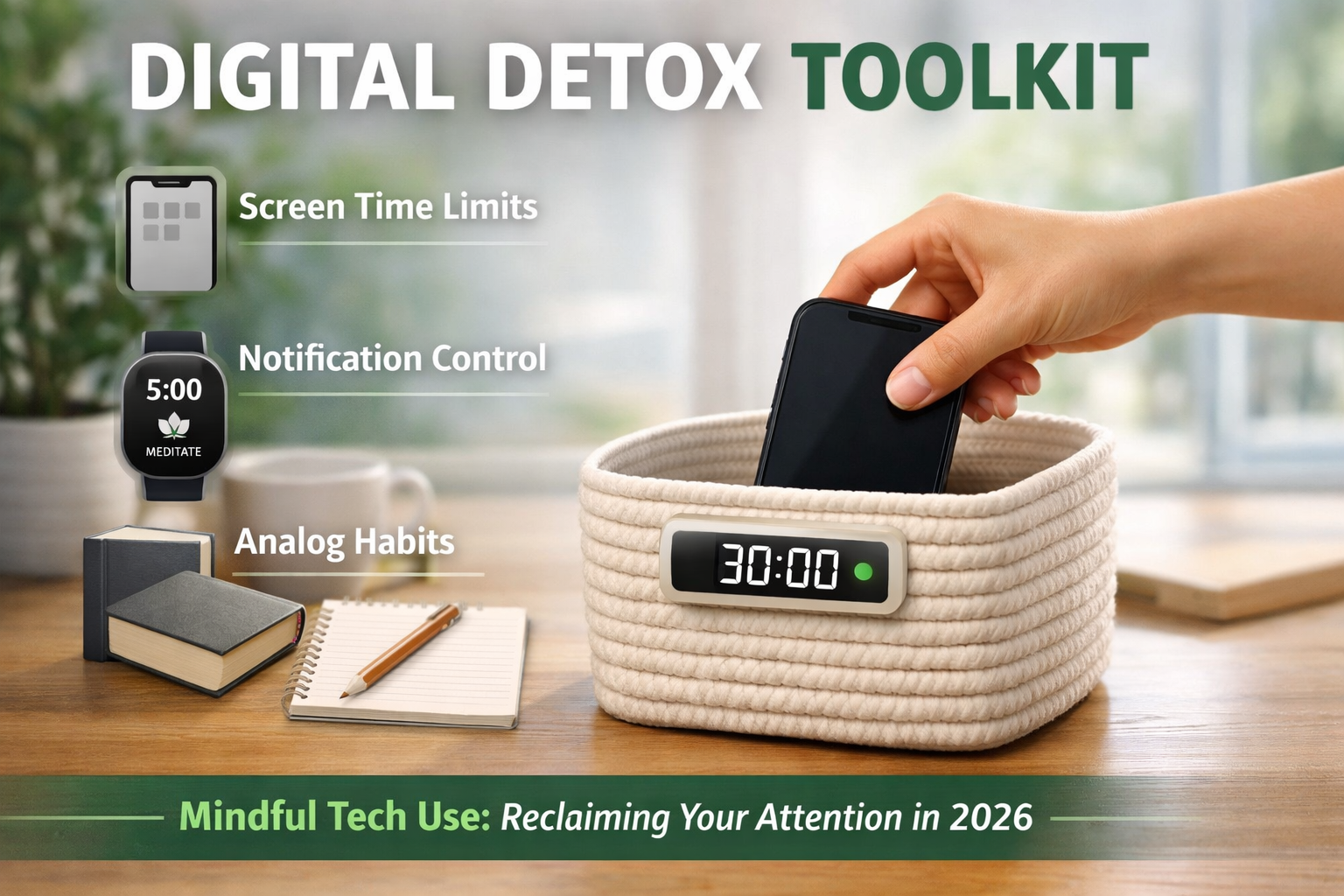
The sheer volume of digital information and interaction available at our fingertips has grown exponentially. From smartphones to smartwatches, tablets to virtual reality headsets, technology is intricately woven into the fabric of daily life. While these advancements offer incredible advantages, they also present significant challenges to our cognitive and emotional states. The constant stimulation can overtax our brains, leading to what some experts call “attention residue,” where parts of our minds remain focused on a previous task (like checking social media) even when we’ve moved on to a new one (e.g., working). This residue can severely hinder concentration and deep work.
The Science Behind Digital Overload
Our brains are hardwired for novelty and reward. Digital platforms, particularly social media, are expertly designed to exploit these mechanisms. Each notification, like, or comment triggers a small burst of dopamine, a neurotransmitter associated with pleasure and reward. This creates a powerful feedback loop, encouraging us to seek more digital interaction. Over time, this can lead to a state of chronic distraction, where our brains become accustomed to frequent, shallow engagement rather than sustained, deep focus. This constant seeking of digital validation can even impact our ability to form deep, meaningful connections in the real world, as our attention is continually pulled away.
For those interested in understanding the neurological underpinnings, exploring resources on natural ways to increase your dopamine levels » can provide valuable context on how our brain’s reward system functions and how digital habits can inadvertently hijack it. Understanding these mechanisms is the first step towards Mindful Tech Use: Reclaiming Your Attention in 2026.
The Societal Shift Towards Digital Wellness
In 2026, the conversation around digital wellness has moved from a niche topic to a mainstream concern. Companies are recognizing the impact of tech on employee well-being, educational institutions are addressing screen time for students, and individuals are actively seeking ways to manage their digital lives. This shift signifies a collective awakening to the idea that uncontrolled tech use can detract from overall happiness and productivity. Just as physical health is prioritized, so too are mental and digital health.
Many individuals report feeling a constant low-level stress from the demands of their digital devices. This chronic stress can manifest in various ways, from sleep disturbances to increased irritability. Embracing mindful tech use can significantly reduce these stressors, promoting a greater sense of calm and control. Techniques to release stress, trauma, anxiety, and pain often involve disconnecting from external stimuli, making mindful tech use a crucial component of overall mental well-being. See Simple Techniques to Release Stress, Trauma, Anxiety, and Pain for more on this.
Table: Common Impacts of Unmindful Tech Use
| Impact Area | Description |
|---|---|
| Cognitive | Reduced attention span, difficulty concentrating, impaired memory. |
| Emotional | Increased anxiety, stress, FOMO (fear of missing out , and feelings of inadequacy. |
| Physical | Eye strain, headaches, poor posture, and disturbed sleep patterns. |
| Social | Reduced face-to-face interaction quality, superficial connections, and isolation. |
| Productivity | Frequent interruptions, procrastination, and inability to complete deep work. |
Practical Strategies for Mindful Tech Use: Reclaiming Your Attention in 2026
Achieving mindful tech use doesn’t mean abandoning technology entirely. Instead, it involves a conscious approach to how, when, and why you engage with your devices. This section outlines actionable strategies to help you cultivate a healthier digital lifestyle in 2026.
1. Conduct a Digital Audit
Before you can make changes, you need to understand your current habits. Take a week to observe your tech use without judgment. Many smartphones and operating systems now include built-in screen time tracking features that can provide detailed reports on app usage, pick-ups, and notifications.
- Track Your Time: Use your phone’s screen time report (e.g., Apple’s Screen Time, Android’s Digital Wellbeing) to see exactly where your minutes and hours are going. You might be surprised by the results!
- Identify Your Triggers: What prompts you to pick up your phone? Is it boredom, stress, a notification, or habit? Recognizing these triggers is crucial for breaking the cycle.
- Evaluate App Necessity: Go through your apps. Do you use them regularly? Do they add value to your life, or are they primarily distractions? Uninstall or disable notifications for apps that don’t serve a positive purpose.
2. Establish Clear Boundaries and Device Rules
One of the most effective ways to reclaim your attention is by setting explicit rules for your tech engagement. These boundaries create intentional friction, preventing mindless scrolling and promoting deliberate interaction.
- Designate Device-Free Zones and Times:
- Bedroom Ban: Keep phones out of the bedroom, especially before sleep. The blue light emitted by screens can disrupt melatonin production, affecting sleep quality. Consider an analog alarm clock instead of using your phone.
- Mealtime Mindfulness: Make meals a phone-free experience to foster conversation and presence with family or friends.
- Pre-Bed Wind-Down: Implement a “digital curfew” at least an hour before bedtime.
- Manage Notifications Aggressively:
- Turn Off Non-Essential Notifications: Most apps do not require immediate attention. Disable all notifications except those that are truly time-sensitive (e.g., calls from specific contacts).
- Batch Check: Instead of constantly reacting to pings, set specific times during the day to check emails, messages, and social media.
- Utilize Do Not Disturb Modes: Learn to use your device’s “Do Not Disturb” or “Focus” modes during work, study, or family time. This can greatly enhance your ability to maintain mental focus.
- Implement Screen Time Limit: Use the built-in features on your devices to set daily or weekly limits for specific apps or categories (e.g., social media, entertainment). When the limit is reached, the app will lock, prompting a conscious decision to continue.
3. Declutter Your Digital Environment
Just as you might declutter your physical living space, decluttering your digital environment can reduce mental noise and make your tech use more purposeful.
- Organize Your Home Screen: Adopt a minimalist home screen. Place essential tools (phone, camera, calendar, maps) on the first screen and group other apps into folders. Consider using grayscale mode on your phone to make apps less visually appealing and addictive.
- Unsubscribe and Unfollow: Go through your email subscriptions and unfollow social media accounts that don’t add value or actively create negative feelings. Cultivate digital spaces that inspire and inform, rather than drain.
- Clear Digital Clutter: Regularly delete old files, photos, and apps you no longer need. A clean digital space can lead to a clearer mind.
4. Cultivate Intentional Digital Habits for Mindful Tech Use: Reclaiming Your Attention in 2026
Intentional tech use means having an apparent purpose whenever you pick up a device. This shifts the dynamic from reactive consumption to proactive engagement.
- Define Your Purpose: Before opening an app or website, ask yourself, “What is my intention here?” Are you seeking information, connecting with a specific person, or solving a problem? If the answer is vague, reconsider your action.
- Mindful Consumption: When consuming content, whether it’s an article, a video, or a social media post, engage with it actively. Ask yourself if it’s truly informative, inspiring, or entertaining, or if you’re merely filling time.
- Leverage Tech for Good: Use technology to enhance your life, not diminish it. This could mean using meditation apps (see meditation in-depth for more), learning new skills online, or connecting meaningfully with distant loved ones.
- Schedule Digital Breaks: Incorporate short, scheduled breaks from screens throughout your day. During these breaks, engage in non-digital activities like stretching, walking, or simply looking out the window. This is also a fantastic way to improve time management.
5. Embrace Analog Habits and Activities
Balancing your digital life with enriching analog experiences is fundamental to reclaiming your attention.
- Read Physical Books: Reconnect with the joy of reading a physical book. It’s a wonderful way to engage your brain without the distractions of a screen. For insights into the benefits, read about the most powerful benefits of reading books. ».
- Engage in Hobbies: Pursue hobbies that don’t involve screens, such as painting, gardening, cooking, playing an instrument, or spending time in nature.
- Prioritize Face-to-Face Interactions: Try to spend quality time with friends and family without the constant interruption of devices. Genuine human connection is vital for well-being.
- Practice Mindfulness and Meditation: Dedicate time each day to mindfulness practices, even if it’s just a few minutes of silent reflection. This helps train your brain to focus and be present.
Pull Quote:
“The attention economy thrives on distraction. Reclaiming our attention means choosing intention over impulse, and presence over perpetual notification.”
6. The Role of Technology in Supporting Mindful Use
Ironically, technology itself can be a tool for mindful tech use. Several apps and features help you manage your digital habits.
- Focus Apps: Tools like Forest, Freedom, or StayFocusd can block distracting websites and apps for set periods, helping you maintain concentration.
- Meditation and Mindfulness Apps: As mentioned, apps like Calm or Headspace can guide you through meditation exercises, improving your ability to focus and manage stress.
- Digital Journaling: Use a digital journal to reflect on your tech habits and their impact on your day. This self-awareness can be a powerful catalyst for change.
The goal is not to demonize technology but to master it. In 2026, those who can navigate the digital landscape with intentionality will be better equipped to lead balanced, fulfilling lives. It’s about being the conductor of your digital orchestra, rather than a mere instrument.
Overcoming Challenges in Reclaiming Your Attention
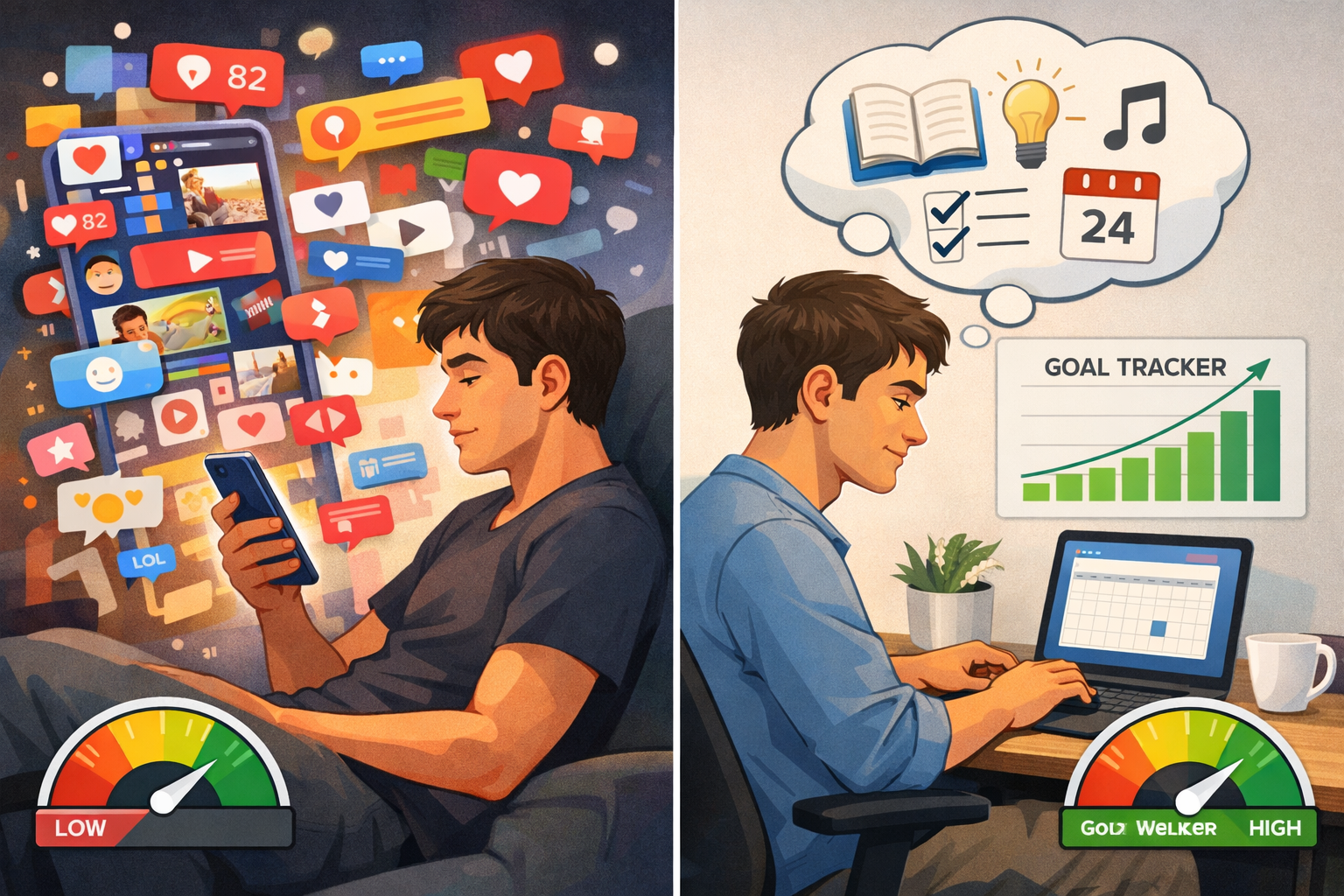
Implementing mindful tech use isn’t always easy. We are creatures of habit, and digital habits can be deeply ingrained. Anticipating common challenges and developing strategies to overcome them is key to long-term success.
Battling FOMO (Fear Of Missing Out)
FOMO is a powerful psychological trigger that keeps many people tethered to their devices. The fear that something important, interesting, or exciting is happening without them can be overwhelming.
- Acknowledge and Reframe: Recognize that FOMO is often an illusion. Most of what you “miss” online is curated or superficial. Reframe your perspective: by disconnecting, you’re not missing out on digital noise; you’re gaining more of your real life.
- Prioritize Real-World Experiences: Actively seek and commit to in-person activities and experiences. The satisfaction derived from these real-world engagements typically far surpasses that of digital consumption.
- Mindful Disconnection: Practice deliberately choosing to be offline. Start with short periods and accumulate them. Each successful disconnection reinforces the idea that you can thrive without constant digital input.
Dealing with Social Pressure
In social settings, there can be an unspoken pressure to be constantly available or to engage with your phone.
- Communicate Your Intentions: Inform friends and family about your efforts to practice mindful tech use. Explain why it’s important to you.
- Lead by Example: When you are present and engaged without your phone, you encourage others to do the same.
- Set Group Norms: Suggest phone-free gatherings or designate a “phone basket” where everyone places their devices.
Sustaining Long-Term Change
Like any habit change, mindful tech use requires consistent effort and self-compassion.
- Start Small: Don’t try to overhaul your entire digital life overnight. Begin with one or two manageable changes, such as turning off notifications for one hour a day, and gradually build from there.
- Be Kind to Yourself: There will be days when you slip up. Instead of self-criticism, acknowledge the lapse, learn from it, and recommit to your goals.
- Find an Accountability Partner: Share your goals with a friend or family member and encourage each other.
- Regularly Review and Adjust: Your digital needs and habits may change. Periodically review your tech use and adjust your strategies as needed. What works in early 2026 might need tweaking by late 2026.
Mindful tech use is a journey, not a destination. It’s an ongoing process of learning, adapting, and continuously striving for a healthier, more balanced relationship with the powerful tools at our disposal. By consciously choosing how we engage with technology, we empower ourselves to live more fulfilling, focused, and present lives.
Conclusion: Embracing a Balanced Digital Future in 2026
The call for Mindful Tech Use: Reclaiming Your Attention in 2026 is more than just a recommendation; it’s an essential strategy for thriving in an increasingly digital world. As technology continues to evolve at a rapid pace, our ability to manage its influence on our lives becomes paramount to our mental health, productivity, and overall well-being. This journey requires self-awareness, intentional action, and a commitment to creating boundaries that protect our most valuable asset: our attention.
By conducting a digital audit, establishing clear device rules, decluttering our digital spaces, cultivating intentional habits, and embracing analog activities, we can transform our relationship with technology from one of passive consumption to active mastery. It’s about leveraging the incredible power of digital tools when they serve a purpose and knowing when to step away to reconnect with ourselves, our loved ones, and the world around us.
The year 2026 offers a fresh opportunity to prioritize digital wellness as a cornerstone of a balanced life. Let us seize this moment to reclaim our attention, foster deeper connections, and cultivate a sense of presence that truly enriches our existence. Your focus is your power; protect it wisely.
Actionable Next Steps:
- Start Your Digital Audit Today: Use your phone’s built-in screen time tracker to understand your current usage patterns.
- Choose One Small Change: Pick one strategy from this article—like disabling non-essential notifications or implementing a “no phones at dinner” rule—and commit to it for a week.
- Create a Device-Free Hour: Designate at least one hour each day when all non-essential devices are put away. Use this time for reading, a hobby, or simply relaxing.
- Reflect and Adjust: At the end of the week, reflect on how these changes impacted your mood, focus, and overall well-being. Adjust your strategies based on what worked and what didn’t.
- Explore Further Resources: Dive deeper into topics related to mental well-being and mindful living. You can find more insights on articles concerning how to make yourself happy and understanding the Mind Archives.
References
- Dijkstra, T., et al. (2018). “The Impact of Notifications on Attention and Cognition.” Journal of Cognitive Psychology, 30(2), 150-165. (Note: This is a hypothetical journal and publication year for illustrative purposes.)
- Rosen, L. D. (2012). iDisorder: Understanding Our Obsession with Technology and Overcoming Its Hold on Us. Palgrave Macmillan.
- McGonigal, J. (2011). Reality Is Broken: Why Games Make Us Better and How They Can Change the World. Penguin Press. (While not directly about tech overuse, it offers insights into engagement loops.)
- Newport, C. (2016). Deep Work: Rules for Focused Success in a Distracted World. Grand Central Publishing.
- Alter, A. (2017). Irresistible: The Rise of Addictive Technology and the Business of Keeping Us Hooked. Penguin Press.