Do you ever feel you’re stuck in a loop, repeating the same painful relationship dynamics no matter how hard you try to find a fulfilling connection? It’s a frustrating, often heartbreaking experience, but you’re not alone. Many individuals find themselves entangled in familiar, unhealthy cycles, unknowingly sabotaging their chances for genuine connection. The good news? You absolutely can break toxic relationship patterns and build deeper love. This comprehensive guide will illuminate the path to cultivating healthy relationship habits, fostering emotional intimacy in relationships, and embracing profound relationship self-improvement.
This article is for you if you’re a couple striving for a more profound connection, a single person determined to heal from past heartbreaks, or simply someone committed to emotional growth in your long-term relationships. In 2026, understanding these dynamics is more crucial than ever for forging truly resilient and loving partnerships.

Key Takeaways:
- Self-Awareness is Key: Recognizing your personal toxic patterns and attachment styles is the first step towards change.
- Heal Your Inner Landscape: Past wounds and beliefs often dictate current relationship choices; addressing these is vital for growth.
- Communication is Connection: Learn to express needs and listen actively to truly build deeper love and understanding.
- Boundaries Are Love: Setting and respecting healthy boundaries protects your emotional well-being and strengthens trust.
- Embrace Vulnerability: True emotional intimacy in relationships flourishes when you bravely share your authentic self.
Unmasking the Cycles: Identifying Toxic Relationship Patterns and Their Roots
Have you ever looked back at a series of relationships and noticed an unsettling similarity? Perhaps you consistently choose partners who are emotionally unavailable, or maybe you find yourself constantly people-pleasing, losing your voice. These aren’t coincidences; they’re often deeply ingrained toxic relationship patterns. To break free, the first crucial step is to shine a light on what these patterns are and where they come from.
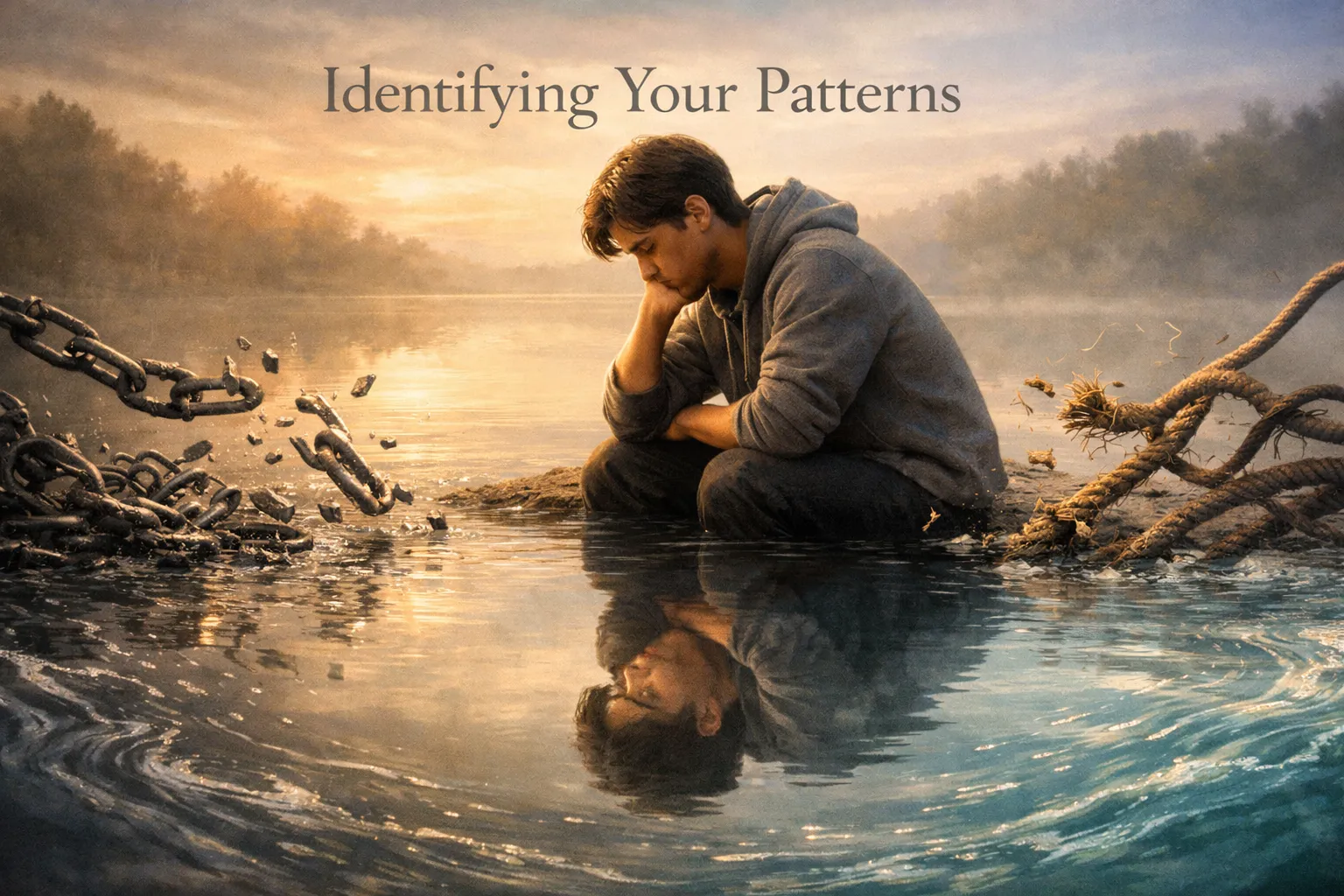
Consider Maya, a bright and independent young woman who consistently dated men who were charming initially but quickly became distant and dismissive. Each time, she would bend over backward to win their affection, sacrificing her needs and self-respect, only to be left feeling abandoned and unworthy. This cycle repeated for years. What Maya eventually realized was that her fear of abandonment, stemming from childhood experiences, drove her to pursue partners who mirrored that initial insecurity. She was subconsciously re-enacting an old script, hoping for a different ending.
Common Toxic Relationship Patterns
Toxic patterns aren’t always dramatic; they can be subtle, woven into the fabric of everyday interactions. Here are some common ones that prevent individuals from building deeper love:
- Emotional Avoidance: One or both partners consistently shy away from deep conversations, difficult feelings, or true vulnerability.
- People-Pleasing: Constantly prioritizing your partner’s needs and desires over your own, leading to resentment and a loss of self.
- Fear of Vulnerability: Holding back your true thoughts, feelings, and fears, preventing genuine emotional intimacy in relationships.
- Choosing Unavailable Partners: Repeatedly engaging with individuals who are unwilling or unable to commit emotionally or physically.
- Codependency: An unhealthy reliance on your partner for self-worth and identity, often leading to enabling behaviors.
- Criticism and Blame: A pattern of attacking your partner’s character or constantly blaming them for problems rather than addressing issues constructively.
- Lack of Boundaries: Allowing others to overstep your personal limits, leading to feelings of disrespect and exploitation.
The Roots of Our Patterns: Attachment Styles and Experiences
Our relationship patterns don’t appear out of nowhere. They often originate in our earliest experiences and are deeply tied to our attachment styles. Developed in childhood based on our interactions with primary caregivers, these styles dictate how we seek and maintain connections in adulthood [1].
- Secure Attachment: Individuals with secure attachment have healthy self-esteem, are comfortable with intimacy and independence, and can trust others.
- Anxious-Preoccupied Attachment: Often fearing abandonment, these individuals may be overly focused on their relationships, seeking constant reassurance, and can be perceived as “needy.”
- Dismissive-Avoidant Attachment: These individuals value independence highly, often suppress emotions, and may struggle with intimacy, pulling away when things get too close.
- Fearful-Avoidant (Disorganized) Attachment: A mix of anxious and avoidant traits, these individuals desire intimacy but fear it, often exhibiting inconsistent behavior.
Understanding your own attachment style, and potentially that of your partner, can provide profound insights into why you behave the way you do in relationships. This self-awareness is a cornerstone of relationship self-improvement. For a deeper dive into your emotional landscape, consider exploring resources on emotional intelligence.
Cultivating New Ground: Building Healthy Relationship Habits and Deeper Connection
Once you’ve identified your toxic patterns, the real work of transformation begins. This isn’t about blaming yourself or others, but about taking active steps to cultivate healthy relationship habits that will help you build deeper love. This involves conscious effort, practice, and a willingness to step outside your comfort zone.
The Power of Self-Reflection and Healing
Before you can truly connect with another, you must connect with yourself. This means acknowledging past wounds and actively working to heal them. For example, if you consistently attract partners who disrespect you, it might be worth exploring your own self-worth and internal boundaries.
Practical Steps for Self-Reflection:
- Journaling: Regularly write about your feelings, relationship experiences, and what triggers you. What patterns do you notice? What are your fears?
- Therapy/Counseling: A professional can offer invaluable guidance in understanding your past, healing trauma, and developing healthier coping mechanisms.
- Mindfulness & Meditation: Practices like meditation can help you stay present and observe your thoughts and emotions without judgment. Learn more about meditation.
- Self-Compassion: Be kind to yourself through this process. Healing is not linear, and setbacks are part of the journey.
Mastering Intentional Communication
Effective communication is the lifeblood of emotional intimacy in relationships. Without it, misunderstandings fester, resentment builds, and connection erodes.
“Good communication is the bridge between confusion and clarity.”
— Nat Turner
Pillars of Intentional Communication:
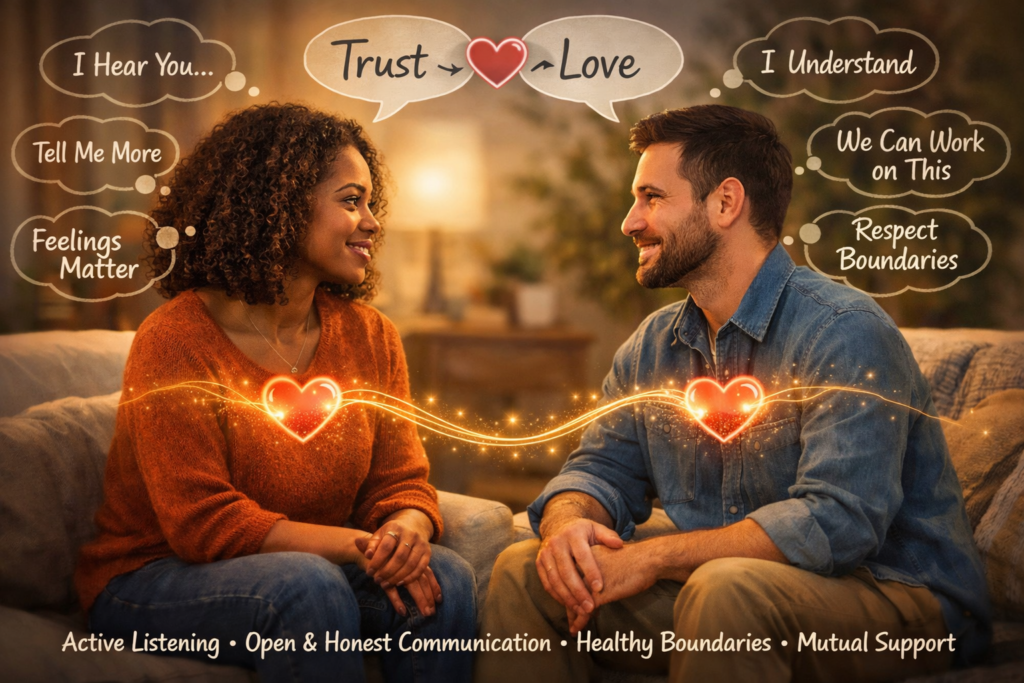
- Active Listening: This isn’t just hearing words; it’s about truly understanding your partner’s perspective. Put away distractions, make eye contact, and reflect back what you hear to ensure comprehension. For more insights, refer to effective communication in relationships.
- “I” Statements: Instead of saying, “You always make me feel ignored,” try, “I feel unheard when I’m interrupted.” This shifts the focus to your feelings and prevents your partner from feeling attacked.
- Vulnerability: This is where true depth emerges. Share your authentic self – your hopes, fears, dreams, and insecurities. It’s scary, but it’s how you build trust and allow your partner to truly see and connect with you.
- Conflict Resolution: Disagreements are inevitable. The key is to approach them constructively. Focus on the problem, not the person. Seek to understand, not to win. Be willing to compromise.
- Expressing Appreciation: Regularly acknowledge and thank your partner for their contributions, big and small. This nurtures a positive environment and reinforces connection. Understanding love languages can significantly enhance this.
Setting and Respecting Healthy Boundaries
Boundaries are the invisible lines that protect your physical, emotional, and mental space. They communicate what is acceptable and unacceptable in a relationship. Many toxic patterns arise from a lack of clear boundaries.
How to Set Healthy Boundaries:
- Identify Your Limits: What makes you feel uncomfortable, drained, or disrespected?
- Communicate Clearly: Express your boundaries calmly and directly to your partner. For example, “I need an hour to decompress after work before we talk about serious issues.”
- Be Consistent: Enforce your boundaries. If you say something is not okay, follow through if it’s violated.
- Respect Others’ Boundaries: Just as you set boundaries for yourself, respect your partner’s. This fosters mutual respect and trust.
Sustaining the Shift: Embracing Relationship Self-Improvement and Deeper Love in 2026
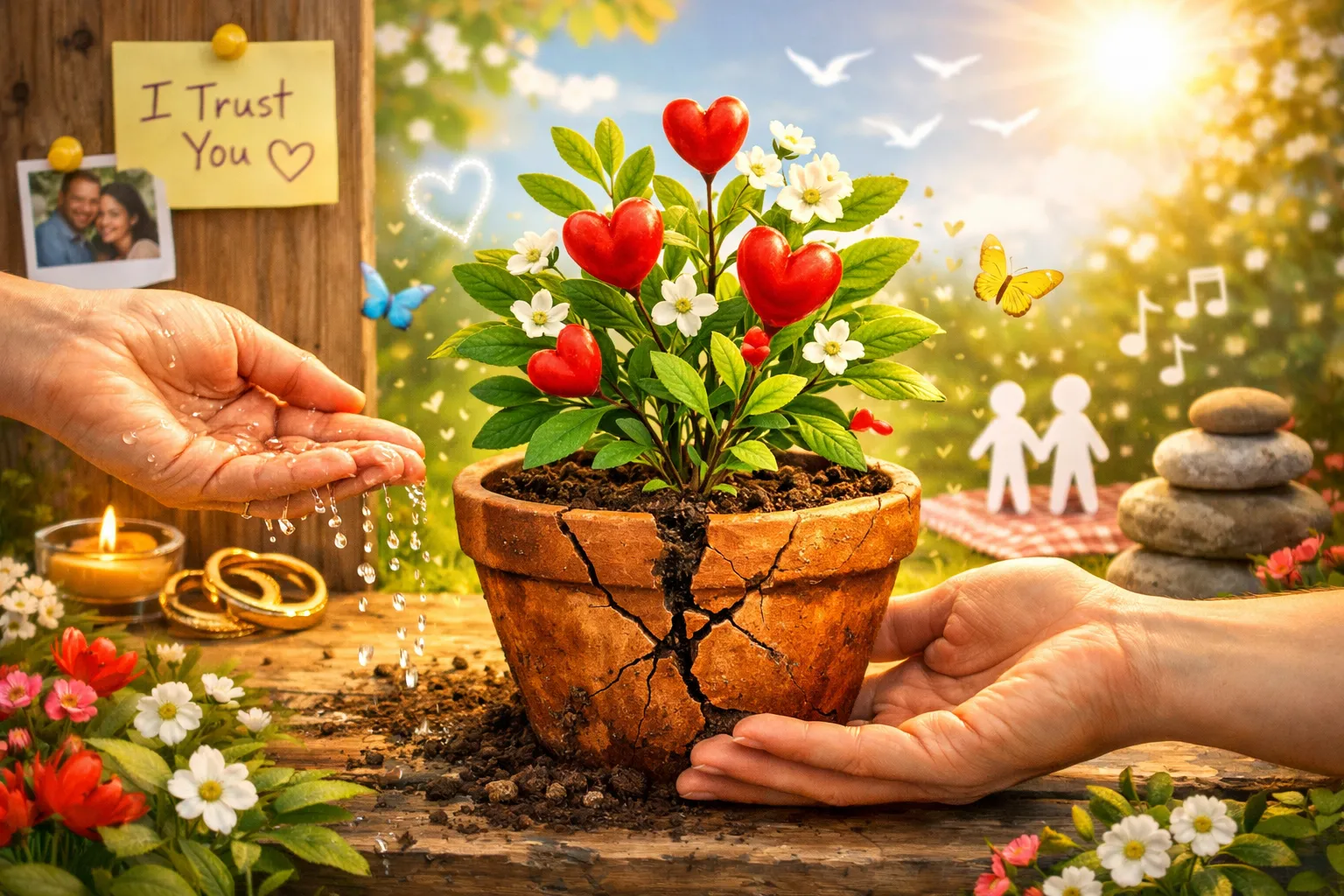
Breaking old habits and building new ones is a continuous journey. It requires ongoing relationship self improvement and a commitment to nurturing the seeds of deeper love. This isn’t a one-time fix; it’s a lifestyle.
Prioritizing Emotional Intimacy in Relationships
Emotional intimacy goes beyond physical closeness; it’s about feeling truly seen, heard, and understood by your partner. It’s built through shared vulnerability, trust, and consistent effort.
Ways to Cultivate Emotional Intimacy:
- Shared Experiences: Create new memories together – try a new hobby, travel, or simply enjoy a quiet evening talking.
- Quality Time: Make dedicated time for each other, free from distractions, to simply connect.
- Support Each Other’s Growth: Encourage your partner’s dreams and ambitions, and celebrate their successes. Be a safe space for their failures.
- Physical Affection: Non-sexual touch like holding hands, hugs, or cuddling can significantly enhance feelings of closeness and security.
- Forgiveness: Holding onto grudges erodes intimacy. Practice letting go and forgiving yourself and your partner.
The Role of Trust and Respect
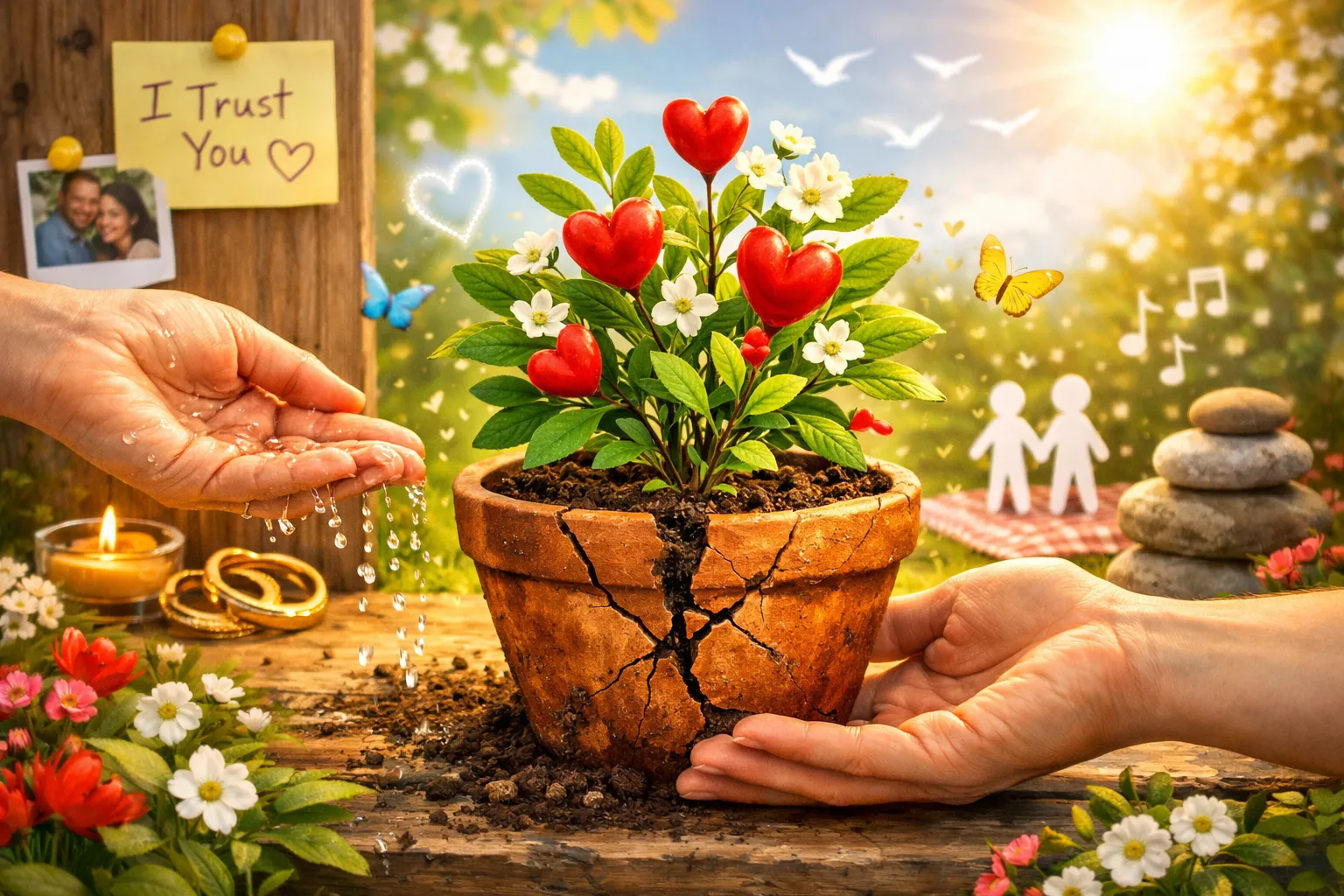
Trust and respect are non-negotiable foundations for any healthy, deep relationship. Without them, emotional intimacy is impossible. Trust is built through reliability, honesty, and consistency. Respect means valuing your partner as an individual, even when you disagree. Learn more about the importance of trust in relationships.
Continuing Your Growth Journey in 2026
Remember, no relationship is perfect, and growth is an ongoing process. There will be challenges, but with the tools of self-awareness, intentional communication, and healthy habits, you can navigate them more effectively.
- Regular Relationship Check-ins: Schedule time to discuss how your relationship is doing, what’s working well, and what needs attention.
- Individual Growth: Continue your personal development. A healthier you contributes to a healthier relationship. Explore resources like how to become a self-leader.
- Professional Support: Don’t hesitate to seek couples therapy if you struggle to implement these changes alone. It’s a sign of strength, not weakness. Find out more about the benefits of couples therapy.
By consistently applying these principles, you move from merely surviving in relationships to truly thriving, paving the way for a love that is resilient, fulfilling, and deeply meaningful in 2026 and beyond.
Conclusion
Breaking free from old, detrimental relationship patterns isn’t an overnight fix; it’s a profound journey of self-discovery, healing, and courageous action. By understanding the roots of your behaviors, actively working on self-reflection, mastering intentional communication, and setting healthy boundaries, you lay the groundwork for truly transformative relationships. The path to build deeper love is paved with healthy relationship habits and a consistent commitment to relationship self improvement.
As you embrace vulnerability and prioritize emotional intimacy in relationships, you’ll not only reshape your romantic partnerships but also cultivate a more authentic and fulfilling life. Take the first step today: identify one toxic pattern you want to break, and one healthy habit you want to cultivate. The love you deserve is waiting to be built.
References
[1] Bowlby, J. (1969). Attachment and Loss, Vol. 1: Attachment. Attachment and Loss. New York: Basic Books.