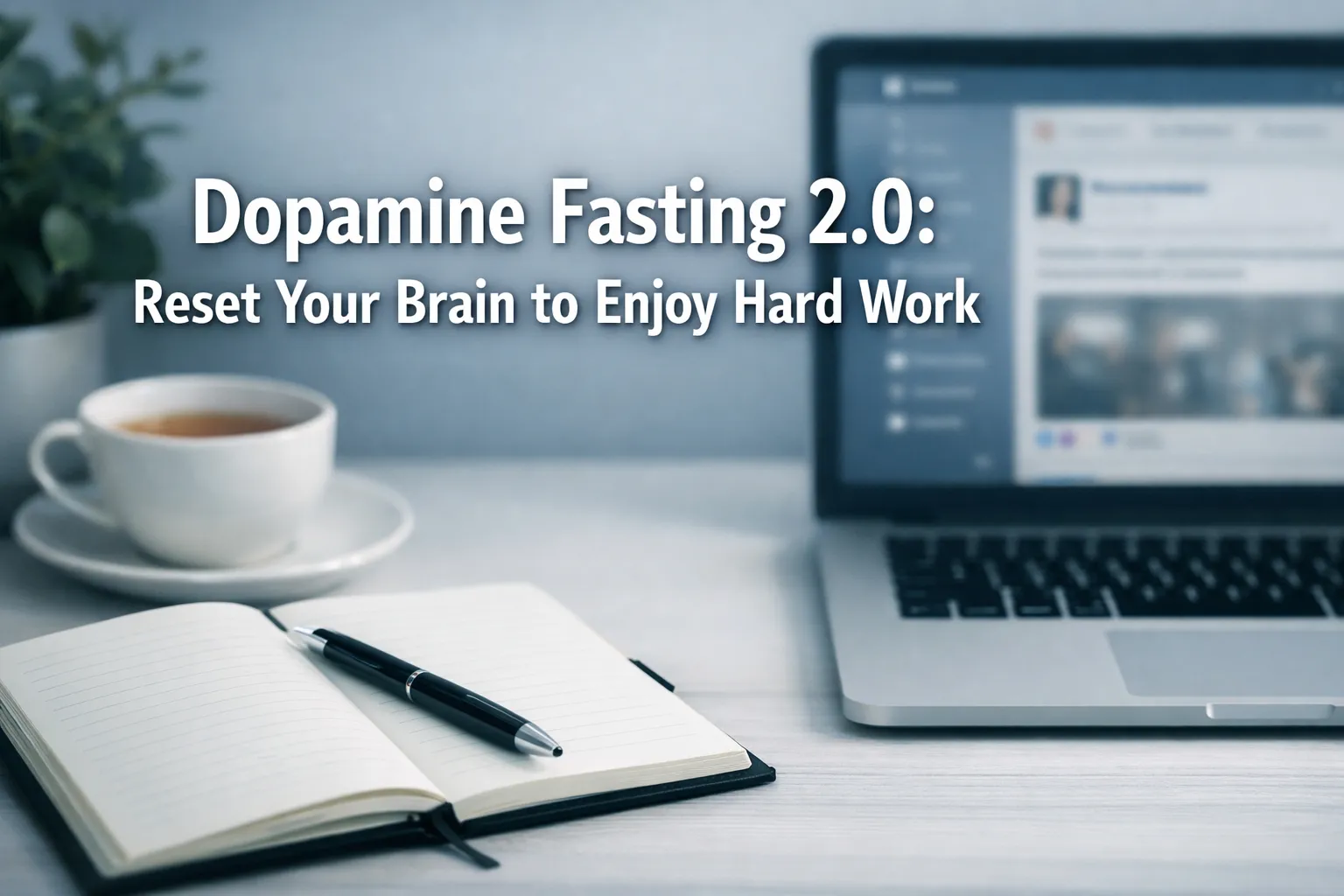
Is the constant buzz of notifications, endless scrolling, and instant entertainment leaving you feeling perpetually distracted and unmotivated for meaningful tasks? In our hyper-connected world of 2026, many individuals, from students to seasoned professionals, struggle with digital burnout and a creeping inability to enjoy effortful work. This phenomenon often stems from what experts now refer to as dopamine overload, a state where our brains are constantly flooded with readily available, high-intensity rewards. This article will dive deep into Dopamine Fasting 2.0, a refined and scientifically grounded approach to reset your brain, enhance your focus, and rediscover the intrinsic joy of hard work. Far from eliminating dopamine, this method focuses on reducing overstimulation to restore a healthy balance in your motivation system, helping you build powerful focus recovery habits and achieve a genuine dopamine reset method.
Key Takeaways
- Dopamine is a motivation, not just a pleasure neurotransmitter: understand its role in driving effort and anticipation, not just immediate gratification.
- Digital Overload Disrupts Natural Motivation: Constant exposure to high-stimulus digital content desensitizes the brain, making meaningful work feel less rewarding.
- Dopamine Fasting 2.0 is About Reduction, Not Elimination: The goal is to consciously reduce excessive, easily accessible rewards to re-sensitize your brain to natural joys and effort-based satisfaction.
- Practical Steps for a Dopamine Reset: Implement structured boredom, scheduled deep work, and mindful reintroduction of healthy rewards to improve focus and enjoyment.
- Reclaim Your Attention and Productivity: By embracing digital discipline and focus recovery habits, you can regain control over your attention, enhance cognitive function, and cultivate a deeper appreciation for challenging tasks.
Understanding Dopamine Overload and the Motivation Brain Science Behind It
In the context of the brain, dopamine isn’t just about feeling good; it’s primarily a neurotransmitter associated with motivation, anticipation, and reward-seeking behavior. It’s the “wanting” chemical, driving us to pursue goals and engage with our environment. When you expect a reward—whether it’s checking a notification, watching the next episode of a show, or getting a like on a social media post—dopamine levels surge, compelling you to act. This intricate system is vital for learning, goal-setting, and survival.


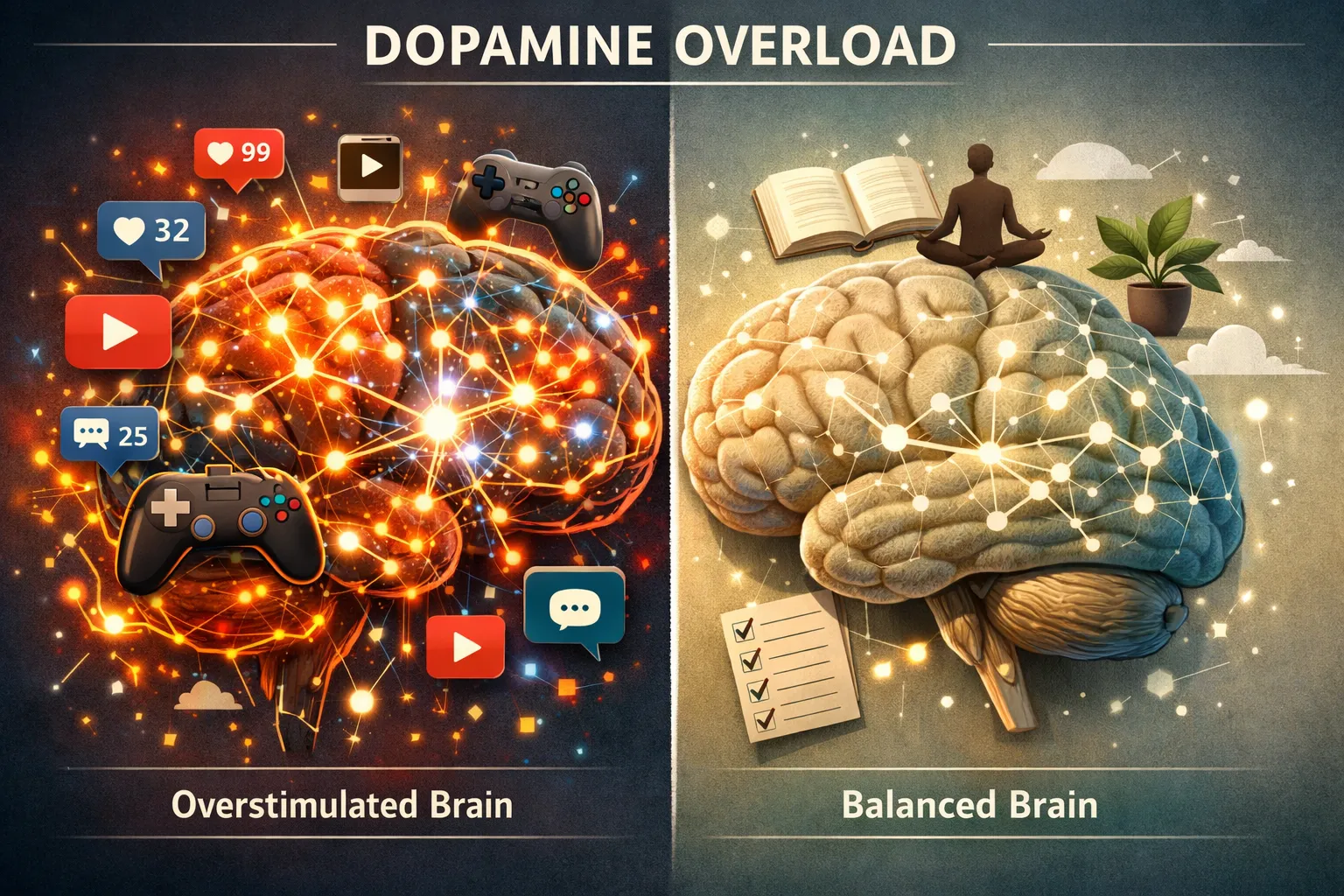
However, in the modern digital landscape of 2026, our brains are perpetually bathed in a cascade of artificial, high-intensity dopamine hits. Social media feeds, endless streaming content, competitive online games, and instant messaging offer a constant stream of novel and highly stimulating rewards with minimal effort. This constant exposure can lead to what is known as dopamine overload.
How Digital Overstimulation Affects Your Brain
When your brain is regularly stimulated by easily accessible, potent rewards, several things happen:
- Desensitization: Your dopamine receptors become less sensitive. This means you need increasingly intense or frequent stimuli to achieve the same level of satisfaction or motivation. Think of it like requiring more sugar to taste sweetness after a diet of candy.
- Reduced Motivation for Effortful Tasks: Tasks that require sustained effort, such as studying for an exam, writing a complex report, or engaging in deep analytical thinking, naturally provide slower, less intense dopamine rewards. Compared to the instant gratification of a TikTok video, these tasks can feel arduous and unappealing. This makes it incredibly difficult to concentrate and enjoy productive work, contributing to digital burnout.
- Fragmented Attention: The constant switching between high-stimulus activities trains your brain for short, rapid bursts of attention rather than sustained focus. This erodes your ability to engage in “deep work” and recover focus when required. For more tips on improving focus, explore 16 Useful Tips for Improving Your Mental Focus.
The original concept of “dopamine fasting” was sometimes misinterpreted as completely abstaining from anything that produced dopamine. Dopamine Fasting 2.0 corrects this by recognizing that the goal isn’t to eliminate dopamine but to strategically reduce dopamine overload from artificial, overstimulating sources. It’s about recalibrating your brain’s reward system to find satisfaction in natural, effort-based pursuits again. It’s a strategic digital dopamine detox designed to restore your inherent motivation.
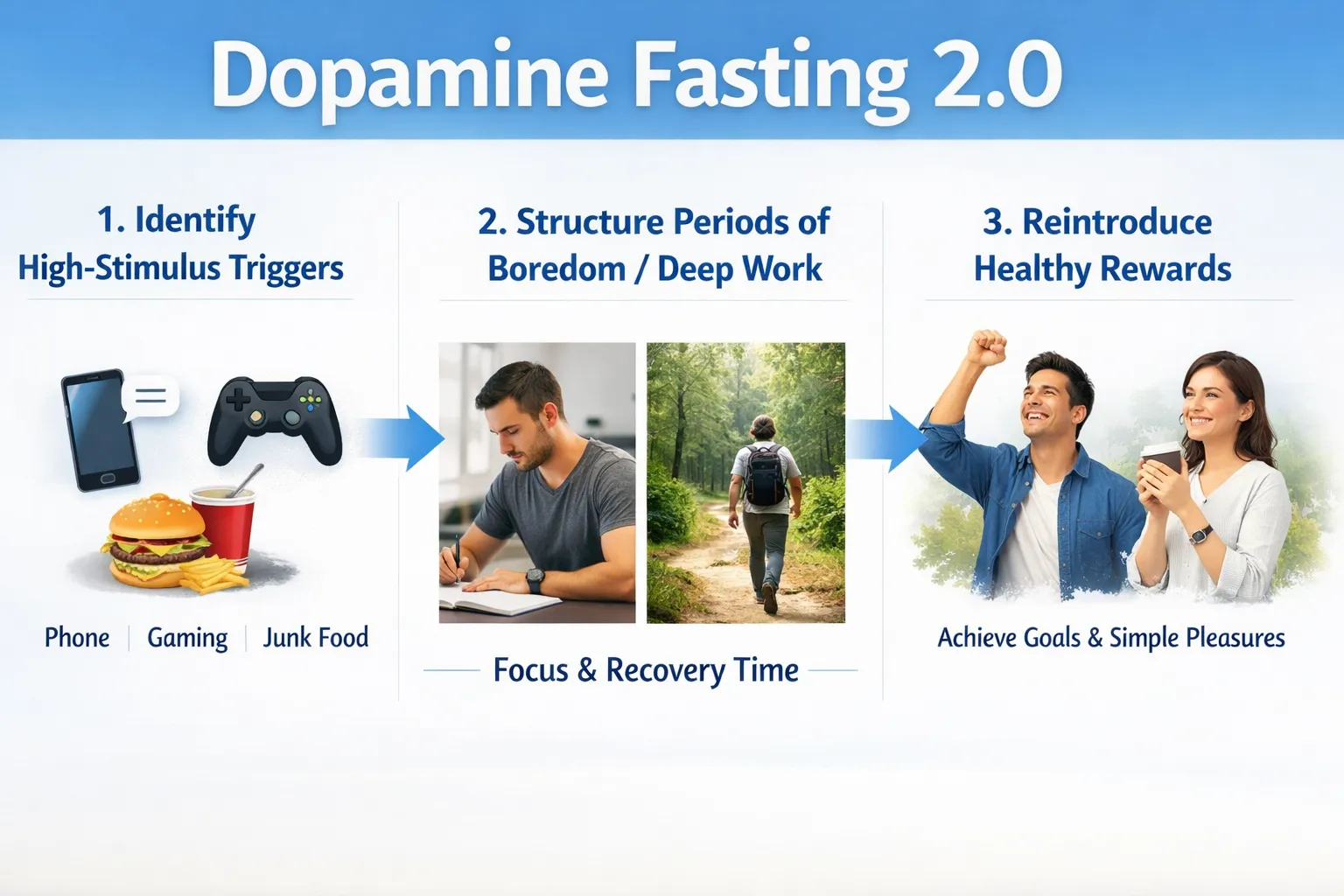
Practical Steps for a Dopamine Reset: Building Focus Recovery Habits
The good news is that your brain is remarkably adaptable. By consciously adjusting your environment and habits, you can implement a dopamine reset method and cultivate new focus recovery habits. Dopamine Fasting 2.0 is a behavioral intervention focusing on mindful reduction and intentional engagement.
1. Identify Your High-Stimulus Triggers
Before you can reduce, you must identify. Take a week to observe what activities consistently give you instant, low-effort gratification.
- Social Media: Which platforms are your biggest time sinks? How often do you check them?
- Streaming Content: Binge-watching TV shows, endless YouTube videos, short-form content.
- Gaming: Compulsive online gaming, mobile games.
- Junk Content: Mindless news feeds, clickbait articles, online shopping for entertainment.
- Unhealthy Snacking: Eating for pleasure/boredom rather than hunger.
- Excessive Screen Time: Beyond work or essential communication.
Consider tracking your screen time and usage patterns for a clearer picture.
2. Structure Periods of Boredom and Deliberate Non-Stimulation
This is a cornerstone of Dopamine Fasting 2.0. By intentionally removing instant gratification, you allow your brain to recalibrate and rediscover internal motivation.
- Schedule “No-Dopamine” Blocks: Designate specific hours or even full days when you intentionally avoid high-stimulus activities. This could mean no phone, no internet for entertainment, and no TV.
- Embrace Productive Boredom: Instead of reaching for your phone the moment boredom strikes, engage in low-stimulus, high-value activities:
- Reading a physical book 📚 (See: Most Powerful Benefits of Reading Books)
- Going for a walk in nature 🚶♀️
- Journaling ✍️
- Cleaning or organizing your space
- Meditating (Explore Meditation In Depth)
- Engaging in creative hobbies that require effort (drawing, playing an instrument)
- Limit “Decision Fatigue”: Reduce the number of decisions you make about consumption. Set clear rules (e.g., “no social media before noon,” “only one hour of streaming after 8 PM”).
3. Implement Deep Work Sessions
Once you reduce the external noise, your capacity for sustained focus will naturally improve.
- Pomodoro Technique: Work in focused 25-minute intervals, followed by abrupt breaks. During breaks, avoid digital distractions.
- Time Blocking: Dedicate specific blocks of time in your calendar for uninterrupted, focused work.
- Create a Conducive Environment: Turn off notifications, close unnecessary tabs, and make your workspace distraction-free. For more ideas on effective study sessions, check out Secret tips to Studying Effectively and Prolonging your Study Session!.
- Take Mindful Breaks: Instead of passively scrolling, use your breaks to stretch, get some water, or briefly step away from your screen. The benefits of Taking a Work Break are significant.
4. Reintroduce Healthy, Effort-Based Rewards Gradually
The goal is not to live a life devoid of pleasure but to re-sensitize yourself to rewards that are earned or contribute to your well-being.
- Celebrate Small Wins: Acknowledge completing a difficult task or reaching a minor goal.
- Connect Rewards to Effort: Allow yourself a chosen, moderate digital indulgence (e.g., 30 minutes of gaming) after completing a significant work block, not before.
- Prioritize Real-World Connections: Spend time with loved ones, engage in meaningful conversations, and foster an understanding of the Health Benefits of Intimacy.
- Pursue Mastery: Engage in activities that require skill development and provide a sense of accomplishment, such as learning a new language or mastering a craft.
- Natural Dopamine Boosters: Incorporate regular exercise, adequate sleep, and a balanced diet. Read about Natural Ways to Increase Your Dopamine Levels for more information.
The process of a digital dopamine detox is about creating new neural pathways and reinforcing behaviors that support long-term well-being and productivity. It’s a journey of self-leadership and building sustainable habits for a more focused 2026 and beyond.
Common Misconceptions and a Balanced Approach
It’s crucial to address common misunderstandings about “dopamine fasting.”
- Myth: Eliminate All Dopamine: This is neither possible nor desirable. Dopamine is essential for motivation, movement, and learning. The true aim of Dopamine Fasting 2.0 is to regulate the intensity and frequency of easily accessible, high-reward stimuli.
- Myth: It’s a Quick Fix: Like any habit change, achieving a dopamine reset method requires consistent effort and patience. There will be moments of discomfort as your brain adjusts, but these are signs of progress.
- Myth: Completely Avoid Technology: In 2026, technology is integral to most aspects of life. The approach here is mindful usage, setting boundaries, and using technology as a tool, not a constant source of distraction.
The true power of this refined approach lies in recognizing that our digital habits have profoundly impacted our intrinsic motivation and attention spans. By making conscious choices to step away from constant stimulation, we create space for our brains to recover their natural capacity for focus and find genuine satisfaction in pursuing meaningful, often challenging, endeavors. This practice is about empowerment—regaining control over your attention and enjoying the journey of deep work.
Conclusion
In an increasingly distracting world, the principles of Dopamine Fasting 2.0 offer a powerful framework for students, professionals, and anyone experiencing digital burnout to regain control over their focus and motivation. By understanding the intricate role of dopamine in motivation and brain science and acknowledging the impact of dopamine overload, we can embark on a deliberate dopamine reset method. This isn’t about deprivation; it’s about intelligent regulation—a strategic digital dopamine detox to foster healthier habits and restore our appreciation for effortful work.
Embracing structured non-stimulation, building focus recovery habits, and mindfully reintroducing healthy rewards will not only enhance your productivity in 2026 but also deepen your capacity for satisfaction and engagement in all aspects of life. Take the first step today: identify one high-stimulus activity you can reduce and replace it with a low-stimulus, high-value alternative. Your brain, and your ability to enjoy the hard work that truly matters, will thank you.