Last updated: March 10, 2026
Key Takeaways


- Exhaustion often stems from deficits in various types of rest beyond just sleep, leading to feeling tired even after a full night.
- The seven types of rest are physical, mental, emotional, social, sensory, creative, and spiritual, each addressing specific forms of fatigue.
- Modern lifestyles frequently create imbalances and rest deficit symptoms across these categories.
- Addressing mental rest and burnout requires strategies like intentional breaks and managing cognitive load.
- Emotional rest recovery involves setting boundaries and processing feelings constructively.
- Holistic rest strategies combine targeted practices for each type of rest to achieve comprehensive rejuvenation.
- Recognizing which type of rest is lacking is the first step toward building a balanced recovery system.
Quick Answer
Feeling perpetually tired despite adequate sleep typically shows a deficit in one or more of the “seven types of rest” beyond mere physical slumber. This framework identifies distinct forms of fatigue—physical, mental, emotional, social, sensory, creative, and spiritual—and emphasizes that true recovery requires addressing each specific unmet need, moving beyond the misconception that sleep is enough for all forms of exhaustion.
Why Sleep Isn’t Enough for True Rejuvenation: Understanding Rest Deficit Symptoms
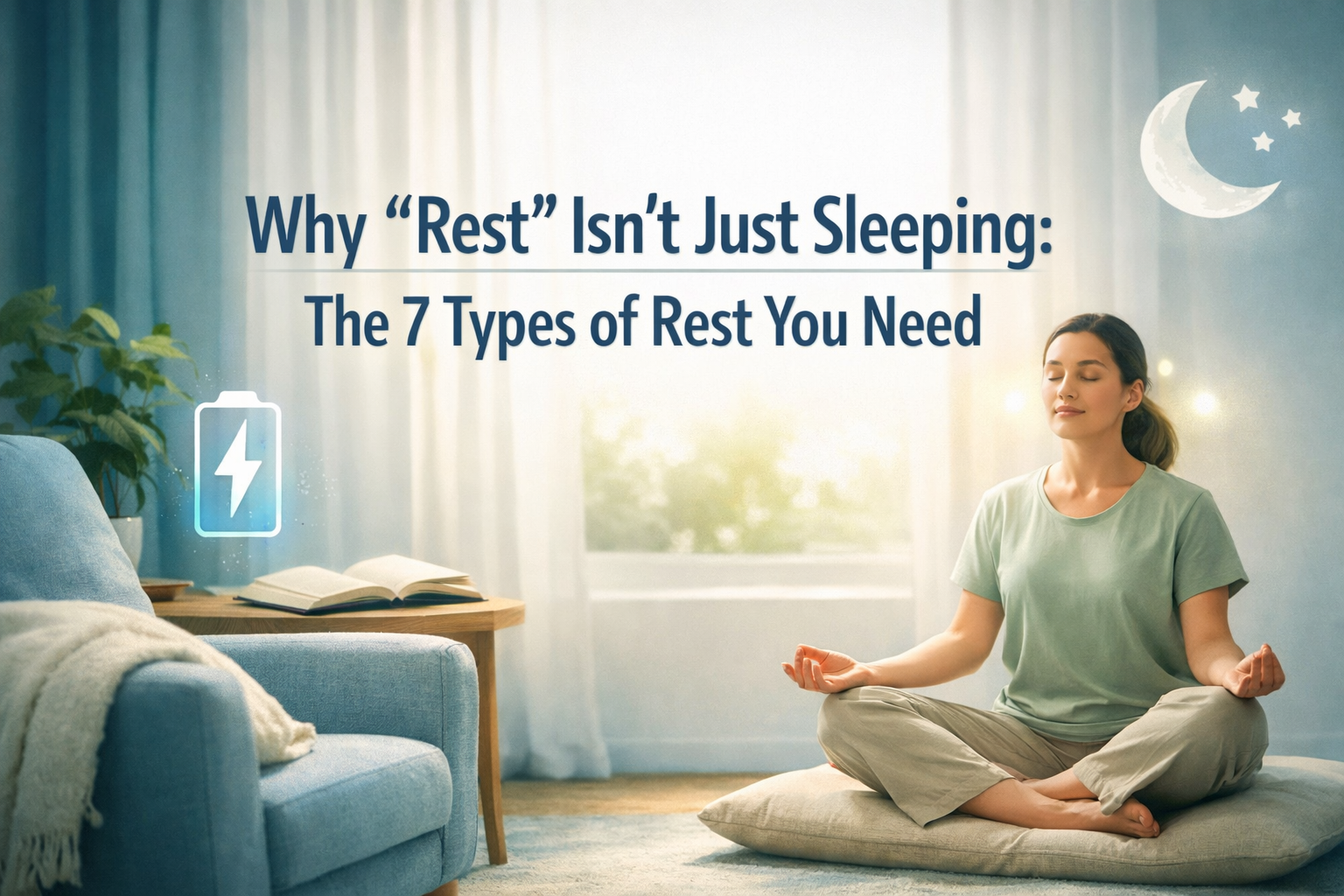
Sleep alone is often insufficient for comprehensive recovery because it primarily addresses physical fatigue, leaving other forms of exhaustion unaddressed and leading to persistent feelings of tiredness. Many individuals experience what is known as rest deficit symptoms, which manifest as a lack of energy, focus, and emotional resilience, even after getting enough hours in bed. This occurs because modern life depletes us in diverse ways that sleep cannot fully restore, making it crucial to understand the seven types of rest.
Modern society’s relentless pace frequently leads to a state where mental, emotional, and sensory systems are constantly overloaded. For example, a student might get eight hours of sleep but still feel drained because of continuous academic pressure, a clear sign of mental stress and burnout. Similarly, a professional dealing with difficult clients or colleagues may feel emotionally depleted, requiring more than just sleep to recover. The key is recognizing that “rest” is an active process of replenishing various energy reserves, not just passive unconsciousness.
The Seven Types of Rest You Need: Beyond the Physical
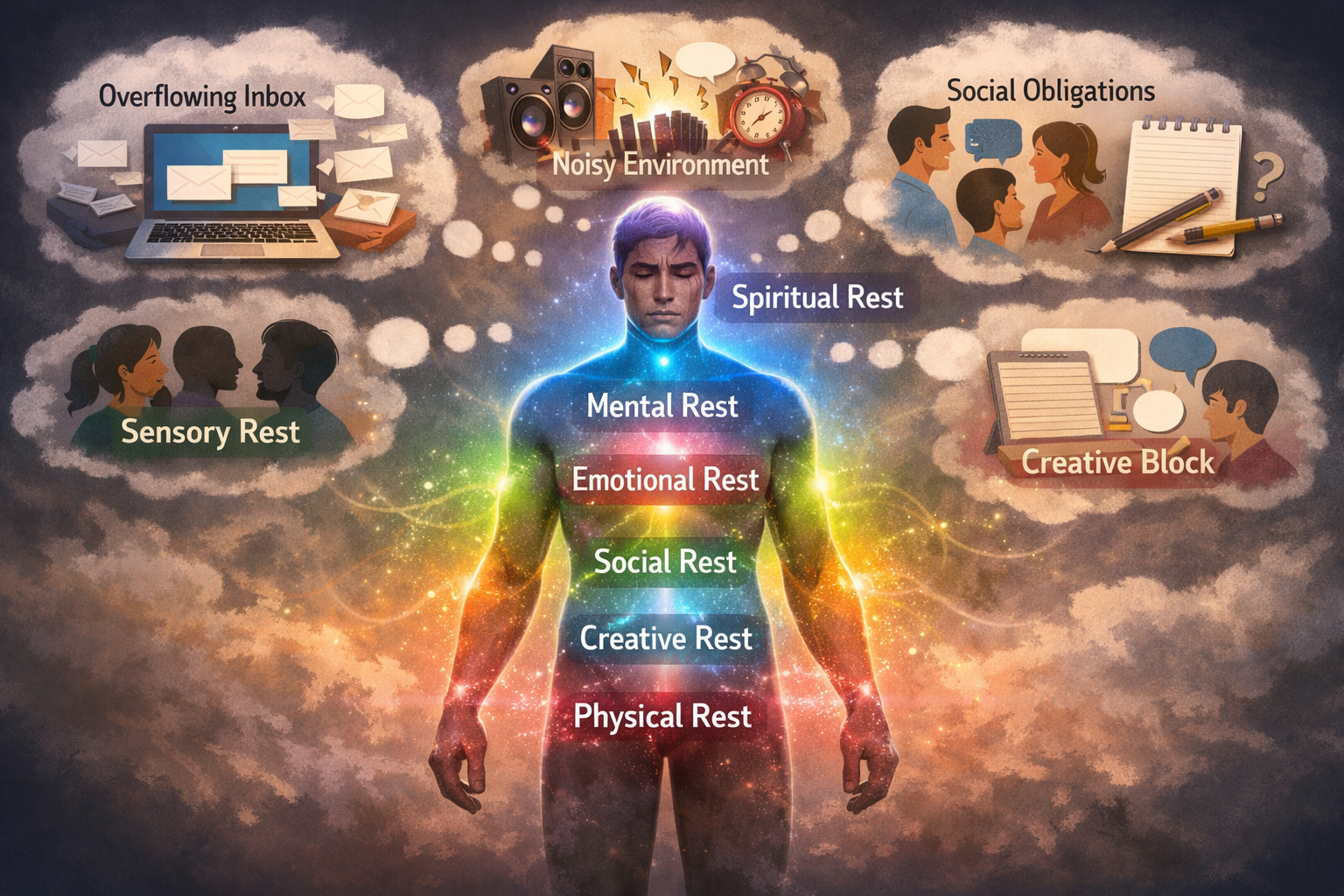
The concept of the seven types of rest provides a comprehensive framework for understanding and addressing different fatigue that go beyond mere physical tiredness. By categorizing rest, individuals can identify specific areas where they are depleted and apply targeted holistic rest strategies for more effective recovery.
Here are the seven types of rest:
- Physical Rest: This is the most recognized form, encompassing both passive (sleep, napping) and active rest (yoga, stretching, massage). It recharges the body’s physical systems and is crucial for muscle repair and energy restoration.
- When to prioritize: If experiencing muscle soreness, physical lethargy, or frequent illness.
- Mental Rest: Mental rest and burnout occur when your mind is constantly processing information, solving problems, or making decisions. This type of rest involves giving your brain a break from intense cognitive activity.
- Strategies: Taking short, regular breaks from work, meditating, or simply daydreaming. For individuals struggling with excessive worry, techniques to stop worrying about everything and live today to the fullest can be particularly beneficial.
- Emotional Rest: This involves the opportunity to express feelings freely and authentically without judgment or to step away from situations that require emotional labor. It is crucial for emotional rest and recovery, especially for those who constantly put on a brave face.
- Example: Seeking support from a trusted friend or therapist or journaling can provide an outlet. Setting healthy emotional boundaries is also key.
- Social Rest: Social rest addresses the fatigue that comes from over-socializing or engaging in draining interactions. It means spending time with people who genuinely uplift you or enjoying solitude.
- Mistake to avoid: Mistaking all social interaction as beneficial; even positive social events can be draining if overdone.
- Sensory Rest: Our senses are constantly bombarded by screens, noise, and bright lights. Sensory rest involves reducing external stimuli to give your nervous system a break.
- Practical tip: Taking short “sensory detox” breaks throughout the day—turning off notifications, closing your eyes, or sitting in a quiet, dimly lit room.
- Creative Rest: This type of rest replenishes your inspiration and ability to innovate. It’s crucial for anyone who regularly needs to generate new ideas or solve complex problems.
- How to achieve: Engaging with beauty (art, nature), allowing your mind to wander, or pursuing a hobby purely for pleasure, like reading for enjoyment, which is one of the most powerful benefits of reading books.
- Spiritual Rest: Spiritual rest provides a sense of belonging, purpose, and connection to something larger than oneself. This doesn’t necessarily imply religious practice but rather activities that bring deep meaning and alignment with one’s values.
- Activities: Spending time in nature, volunteering, practicing mindfulness, or quiet contemplation.
Practical Strategies for Holistic Rest and Recovery
Implementing holistic rest strategies involves intentionally incorporating specific practices into daily life to address each type of rest deficit. This proactive approach helps prevent burnout and fosters sustained well-being, directly combating why sleep isn’t enough for full recovery.
Here’s how to integrate these strategies:
| Type of Rest | Symptoms of Deficit | Practical Strategies (2026) |
|---|---|---|
| Physical | Body aches, low energy, frequent illness | Prioritize 7-9 hours of sleep; incorporate active rest like stretching or gentle walks. Try 10 Simple Things That Will Make You Sleep Like a Baby Tonight. |
| Mental | Brain fog, racing thoughts, difficulty focusing | Take mindful breaks, practice meditation, and set a “no-email after hours” rule. Explore “Mind Archives” for focus tips. |
| Emotional | Irritability, feeling overwhelmed, cynicism | Journaling, setting clear boundaries, confiding in a trusted friend or therapist, and allowing vulnerability. |
| Social | Feeling drained after interactions, loneliness | Schedule solo time; engage with uplifting individuals; learn to say no to draining commitments. |
| Sensory | Overwhelm, heightened sensitivity to noise/light | Implement sensory detox periods (e.g., quiet time without screens); use noise-canceling headphones; dim lights. |
| Creative | Lack of inspiration, feeling stuck | Engage in hobbies for pure joy; visit art galleries; spend time in nature; allow unstructured playtime. |
| Spiritual | Lack of purpose, disconnection, apathy | Practice mindfulness, volunteer, engage in meaningful conversation, spend time in nature, and reflect on values. |
To ensure comprehensive well-being, it is important to develop a personalized rest plan. This plan might include scheduling “think time” for mental rest, setting aside an evening each week for solo creative pursuits, or dedicating time for quiet reflection. This intentionality helps address the root causes of fatigue and ensures that recovery efforts are targeted and effective, particularly in preventing mental rest and burnout.
What are the signs you’re lacking different types of rest?
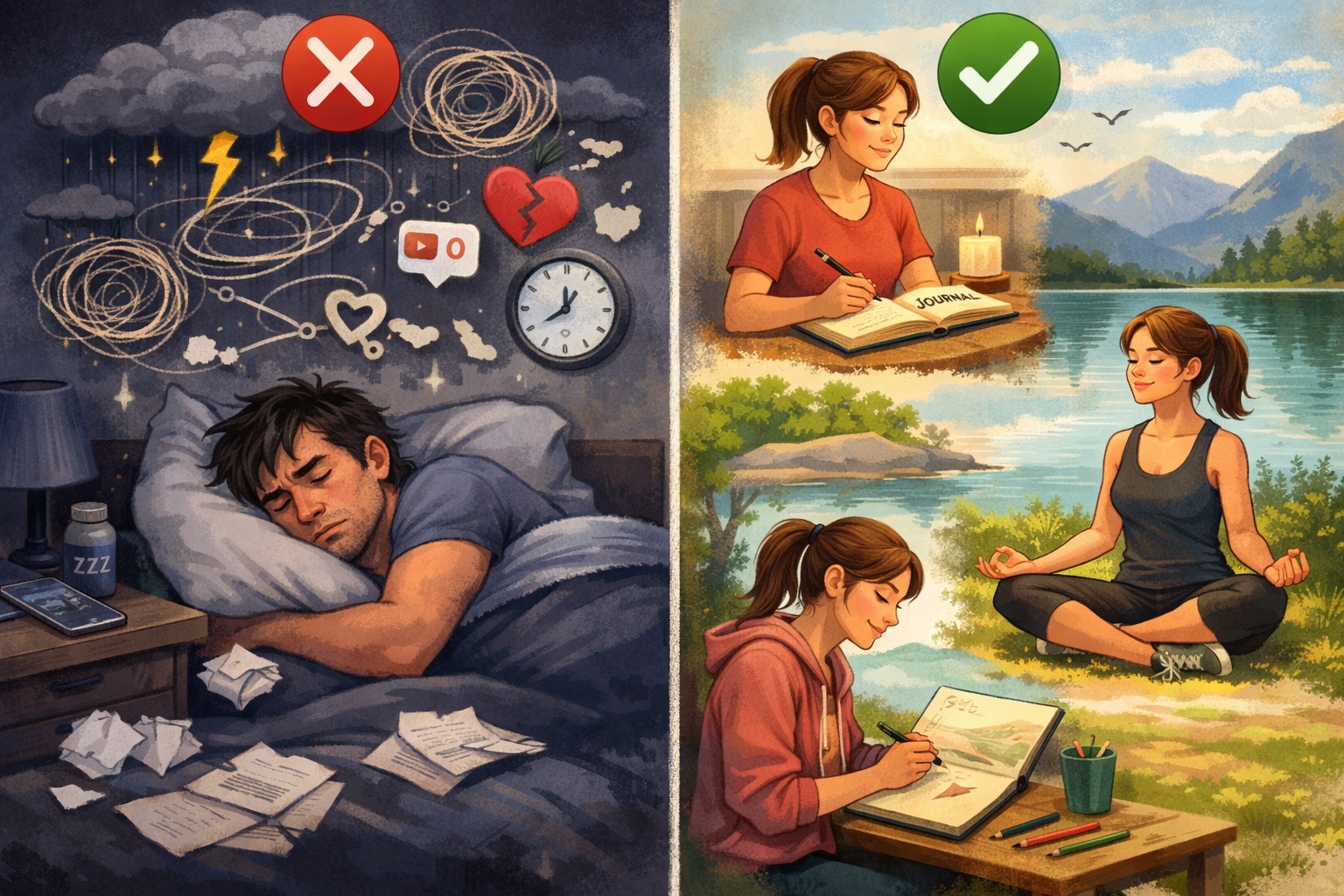
Recognizing specific rest deficit symptoms is crucial for understanding which type of rest you need to prioritize. While general fatigue is a common indicator, each type of rest has distinct signs that point to an imbalance.
- Physical Rest Deficit: Persistent tiredness even after sleep, muscle tension, frequent headaches, and low-energy levels throughout the day.
- Mental Rest Deficit: Difficulty concentrating, racing thoughts, feeling overwhelmed, increased irritability, forgetfulness, difficulty deciding. This often accompanies mental rest and burnout.
- Emotional Rest Deficit: Feeling easily annoyed or upset, inability to express emotions authentically, constantly putting others’ needs before your own, experiencing a high degree of emotional labor without release.
- Social Rest Deficit: Feeling drained after social interactions, avoiding social events, feeling isolated or lonely, or engaging in surface-level connections that don’t replenish.
- Sensory Rest Deficit: Heightened sensitivity to light, noise, or strong smells; feeling agitated or overwhelmed in busy environments; difficulty focusing because of distractions.
- Creative Rest Deficit: Feeling uninspired, struggling with problem-solving, procrastinating on creative tasks, and having a general sense of stagnation or boredom.
- Spiritual Rest Deficit: Feeling a lack of purpose or meaning, questioning your values, cynicism, feeling disconnected from yourself or others, a sense of emptiness.
Identifying these specific symptoms can guide you toward the appropriate holistic rest strategies rather than simply trying to “sleep it off.”
How Can Emotional Rest Improve Well-being and Prevent Burnout?
Emotional rest recovery is essential for overall well-being and preventing burnout by providing space to process feelings, set healthy boundaries, and reduce emotional labor. When individuals consistently suppress emotions or operate in environments that demand constant emotional management without an outlet, they deplete their emotional reserves, leading to exhaustion, irritability, and cynicism.
Key aspects of effective emotional rest include:
- Authentic Expression: Creating safe spaces to openly express feelings without fear of judgment. This might involve talking to a trusted friend, family member, or therapist.
- Setting Boundaries: Learning to say no to requests that overextend you emotionally. This is critical for protecting your emotional energy. Understanding a complete guide on expectations in a relationship for couples can help manage emotional energy.
- Processing Experiences: Taking time to reflect on emotionally challenging situations and processing the feelings associated with them, rather than simply moving on. Journaling is a powerful tool for this.
- Reducing Emotional Labor: Minimizing situations where you are constantly responsible for managing others’ emotions or maintaining a facade.
By actively pursuing emotional rest, individuals can recover from emotional fatigue, build resilience, and maintain healthier relationships, ultimately enhancing their overall mental and physical health.
Cultivating Holistic Rest Strategies in a Demanding World
Cultivating holistic rest strategies in a demanding world requires intentionality and a commitment to integrating diverse forms of rest into daily routines. It means acknowledging that sleep isn’t enough to combat the multi-faceted exhaustion of modern life and actively scheduling time for the various rest.
Practical steps include:
- Audit Your Day: Identify moments where you can insert micro-rests (e.g., 5 minutes of quiet time for sensory rest, a short walk for physical rest).
- Schedule Rest: Treat rest as non-negotiable appointments in your calendar, just like work meetings. This could block out time for mental rest to read a book or social rest by limiting social commitments.
- Prioritize Downtime: Ensure you have periods of unstructured time each week when you can engage in activities that naturally replenish your creative or spiritual energy without pressure.
- Set Digital Boundaries: Establish times when you disconnect from screens and notifications to support mental and sensory rest.
- Practice Self-Compassion: Understand that building a balanced rest system is a process, and it’s okay to adjust your strategies as your needs change. For more on improving mental well-being, explore the “Mind Archives.”
By proactively adopting these strategies, individuals can create a sustainable system of recovery that supports energy, clarity, and resilience, rather than perpetually battling rest deficit symptoms.
Conclusion
Understanding that “rest” extends far beyond mere sleep is foundational to achieving true well-being and preventing burnout in 2026. The seven types of rest—physical, mental, emotional, social, sensory, creative, and spiritual—provide a crucial framework for diagnosing and addressing the multifaceted forms of fatigue prevalent in modern life. Recognizing why sleep isn’t enough and identifying specific rest deficit symptoms allows individuals to move beyond chronic tiredness and develop targeted, holistic rest strategies. By intentionally integrating these diverse forms of recovery into daily life, from managing mental rest and burnout to prioritizing emotional rest recovery and sensory detox, individuals can build a robust system that supports sustained energy, mental clarity, and emotional resilience. Embrace this comprehensive approach to rest, and you will unlock a deeper, more profound sense of rejuvenation.