
Last updated: February 21, 2026
Key Takeaways
- Procrastination is a psychological coping mechanism, not a sign of laziness.
- It’s primarily driven by emotional regulation challenges like fear, anxiety, or overwhelm.
- The brain prioritizes short-term mood repair, leading to temporary relief through distraction.
- Understanding avoidance cycles and cognitive distortions is crucial for addressing delay behavior.
- Effective strategies involve managing emotions first, then implementing structured, low-friction actions.
Quick Answer
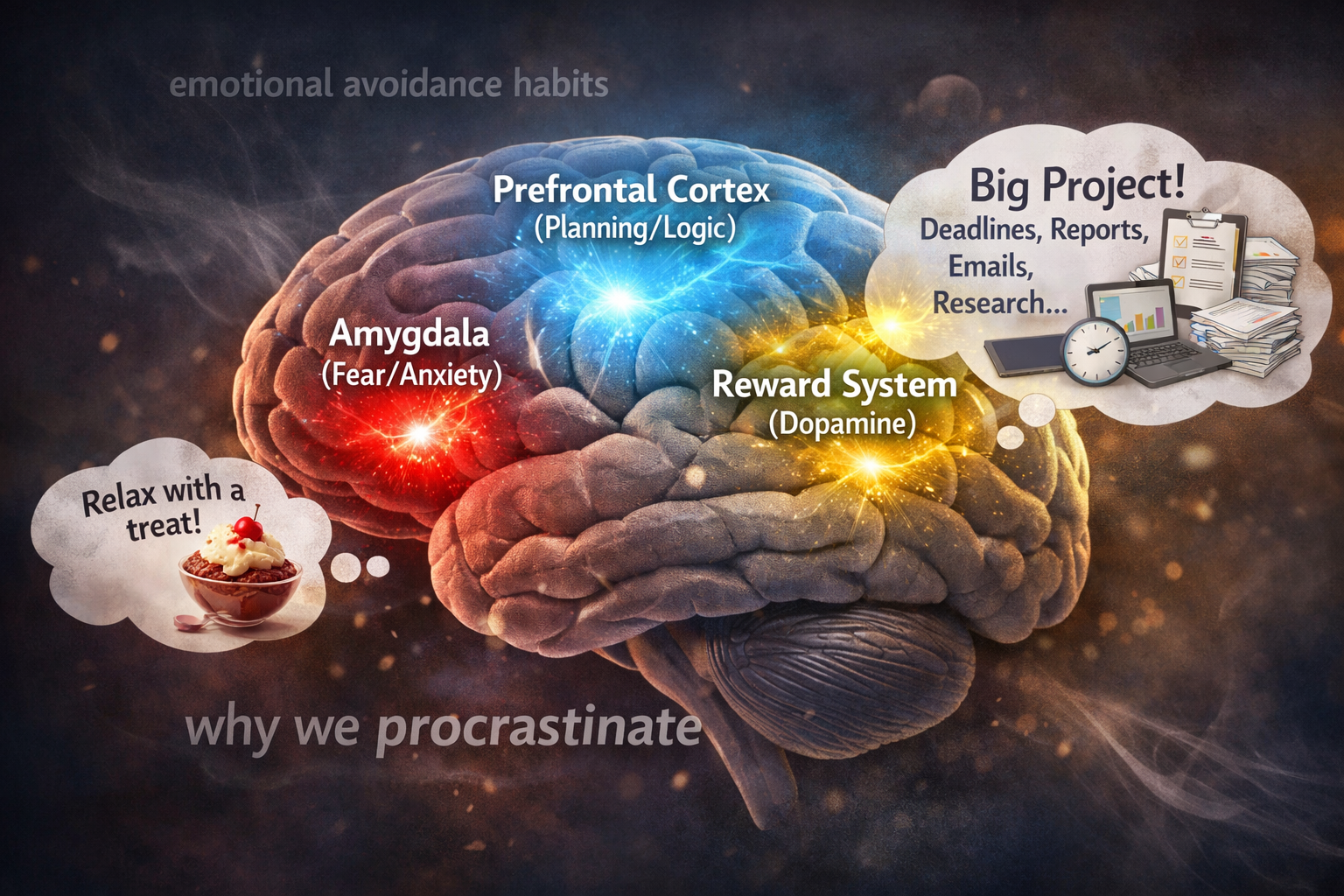


The psychology of procrastination reveals it is a strategy for emotional avoidance, not an sign of laziness or poor time management. Individuals often delay tasks to escape uncomfortable feelings associated with them, such as fear of failure, perfectionism, or the overwhelming nature of a complex project. This behavior temporarily eases distress, creating a self-perpetuating cycle where short-term mood repair overrides long-term goals.
What is the Psychology of Procrastination? Understanding Delay Behavior Explained
The psychology of procrastination posits that delaying tasks is primarily an emotional regulation problem, where individuals prioritize immediate mood repair over engaging with challenging or unpleasant activities. This isn’t about lacking motivation or being lazy; it’s about avoiding negative feelings that a task might trigger, such as anxiety, insecurity, boredom, or resentment. When faced with a task that evokes these emotions, the brain typically seeks immediate relief by diverting attention to something more pleasurable or less threatening, which can include scrolling social media or performing trivial tasks.
This immediate gratification provides a temporary dopamine hit, reinforcing the avoidance behavior. While it feels good in the moment, it perpetuates a cycle where the avoided task often grows in perceived difficulty and associated stress. Understanding this core mechanism is the first step in addressing persistent delay behavior.
The Role of Emotional Avoidance Habits
Emotional avoidance habits are at the heart of why we procrastinate. When a task elicits uncomfortable emotions, the brain, in its effort to protect us from distress, defaults to avoidance. This could manifest as:
- Fear of Failure: The anxiety of not meeting expectations can lead to delaying the start of a project, even if the individual possesses the necessary skills.
- Perfectionism: The desire for a flawless outcome can make the starting point seem insurmountable, leading to indefinite postponement rather than risking an imperfect result.
- Fear of Success: Sometimes, the anxiety around the implications of success (more responsibility, higher expectations) can also trigger delay.
- Uncertainty Intolerance: Tasks with unclear steps or outcomes can feel overwhelming, pushing individuals to wait until more information or clarity emerges, which may never happen.
- Boredom or Lack of Interest: Mundane or unengaging tasks offer little intrinsic reward, making them easy targets for procrastination.
These habits create a short-term gain (relief from negative feelings) but a long-term cost (unfinished tasks, increased stress, missed opportunities). Recognizing these underlying emotional triggers is crucial for developing effective coping strategies and transforming these emotional avoidance habits.
Why We Procrastinate: It’s Not Laziness, It’s a Coping Mechanism
Many people mistakenly label procrastination as laziness, but behavioral science consistently shows that this delay behavior is a sophisticated psychological coping mechanism. Individuals are not choosing to be idle; rather, they are choosing to avoid the discomfort associated with a task by engaging in another activity that provides temporary relief or distraction. This mechanism is especially prevalent in high achievers who often battle intense pressure and self-imposed standards.
The Brain’s Prioritization of Short-Term Mood Repair
The brain’s default mode often prioritizes immediate mood repair over long-term goals, a phenomenon explained by a concept known as “present bias.” When confronted with a task that promises future reward but requires immediate effort and emotional discomfort, the brain’s limbic system (associated with emotions and immediate rewards) can override the prefrontal cortex (responsible for planning and long-term decision-making).
This leads to:
- Dopamine-Driven Distraction Loops: Engaging with distractions like social media, video games, or impulsive browsing provides a quick burst of dopamine, the “feel-good” neurotransmitter. This immediate, albeit fleeting, positive reinforcement strengthens the habit of seeking distraction whenever an unpleasant task arises. For more insights on this, refer to our article on Natural Ways to Increase Your Dopamine Levels.
- Cognitive Distortions: Procrastinators typically employ cognitive distortions, such as “I’ll feel more like doing it tomorrow” or “I work best under pressure,” to justify their delay. These distorted thoughts create a false sense of control and temporarily reduce the anxiety of the undone task, further cementing the procrastination cycle.
- The Avoidance Cycle: The cycle typically starts with a trigger (anxiety about a task), followed by avoidance (distraction), leading to temporary relief, which then reinforces the avoidance behavior. This cycle makes it challenging to break free without intentional strategies.
Understanding that this is a battle between emotional regulation and cognitive planning, rather than a moral failing, helps reduce self-blame and opens the door for effective strategies to overcome procrastination tips. It’s about retraining the brain to handle discomfort differently.
Overcome Procrastination Tips: Practical Strategies from Psychology
To effectively overcome procrastination, strategies must address the underlying emotional triggers and cognitive patterns, rather than simply trying to “force” productivity. These practical tips are grounded in psychological principles to help build consistent action.
1. Identify and Manage Emotional Triggers First
Before attempting to tackle the task, acknowledge and address the emotions it evokes. This step is crucial because ignoring feelings only strengthens emotional avoidance habits.
- Name the Emotion: What exactly are you feeling? Is it anxiety, fear of inadequacy, boredom, or overwhelm? Naming the emotion can reduce its intensity.
- Practice Self-Compassion: Instead of self-criticism, recognize that you’re human and these feelings are normal. Remind yourself that everyone struggles with motivation sporadically.
- Emotional Regulation Techniques: Before starting the task, engage in a short activity to manage discomfort. This could be:
- Mindfulness/Meditation: A few minutes of deep breathing can calm the nervous system and improve mental focus. Explore Meditation In Depth for guidance.
- Journaling: Writing fears or anxieties about the task can externalize them and make them feel more manageable.
- Brief Physical Activity: A short walk can shift your state.
2. Break Tasks into Low-Friction Starts
The biggest barrier to starting is often the perceived effort of the initial step. Create a “low-friction start” that requires minimal commitment and feels easy to begin.
- “The Two-Minute Rule”: If a task takes less than two minutes, do it immediately. For longer tasks, break down the start into something that takes two minutes. For example, “open the document,” “write one sentence,” or “create a heading.”
- Micro-Commitments: Commit to just 15-20 minutes of focused work. Tell yourself you only need to work for this short, defined period. Typically, once you start, momentum builds.
- Pre-Plan Your Start: Before ending your workday or evening, decide the very first, tiny step for your most important task tomorrow. This removes decision fatigue the next day.
3. Use Time-Bound Action Windows (e.g., Pomodoro Technique)
Structured time management techniques can create psychological containers for focused work, making tasks less daunting.
- The Pomodoro Technique: Work for 25 minutes, then take a 5-minute break. After four “Pomodoros,” take a longer break (15-30 minutes). This method helps in improving your mental focus.
- Scheduled “Deep Work” Blocks: Dedicate specific, uninterrupted blocks of time for your most essential tasks. Treat these blocks like appointments you cannot miss. During these times, eliminate distractions.
- Set Clear End Points: Knowing when you will stop working on a task can make it easier to start. Even if the task isn’t finished, stopping after a set time helps reduce overwhelm and prevents burnout.
4. Separate Your Identity from Outcomes
Procrastination often stems from linking self-worth to task outcomes. Detaching your identity from results can ease the pressure to be perfect and the fear of failure.
- Focus on the Process, Not Just the Product: Emphasize effort and learning. Remind yourself that completing a task, even imperfectly, is a step forward.
- “Growth Mindset”: View challenges as opportunities for growth rather than tests of inherent ability. Acknowledge that mistakes are part of learning.
- Externalize Failure: If a task doesn’t go as planned, attribute it to specific actions or circumstances, not your fundamental worth or intelligence.
5. Create an Environment Conducive to Action
Your physical and digital environment significantly affects your ability to focus and avoid distractions.
- Minimize Distractions: Turn off notifications, close unnecessary tabs, and put your phone in another room. Create a dedicated workspace.
- “Task Batching”: Group similar tasks together (e.g., all emails, all administrative work) to reduce context-switching, which can be mentally draining.
- Accountability Partner: Share your goals and progress with a trusted friend, colleague, or mentor. Knowing someone is expecting an update can be a powerful motivator.
By integrating these strategies, you can reframe your relationship with tasks, moving from emotional avoidance to structured, conscious action, and truly overcome procrastination.
Common Procrastination Triggers and How to Counter Them
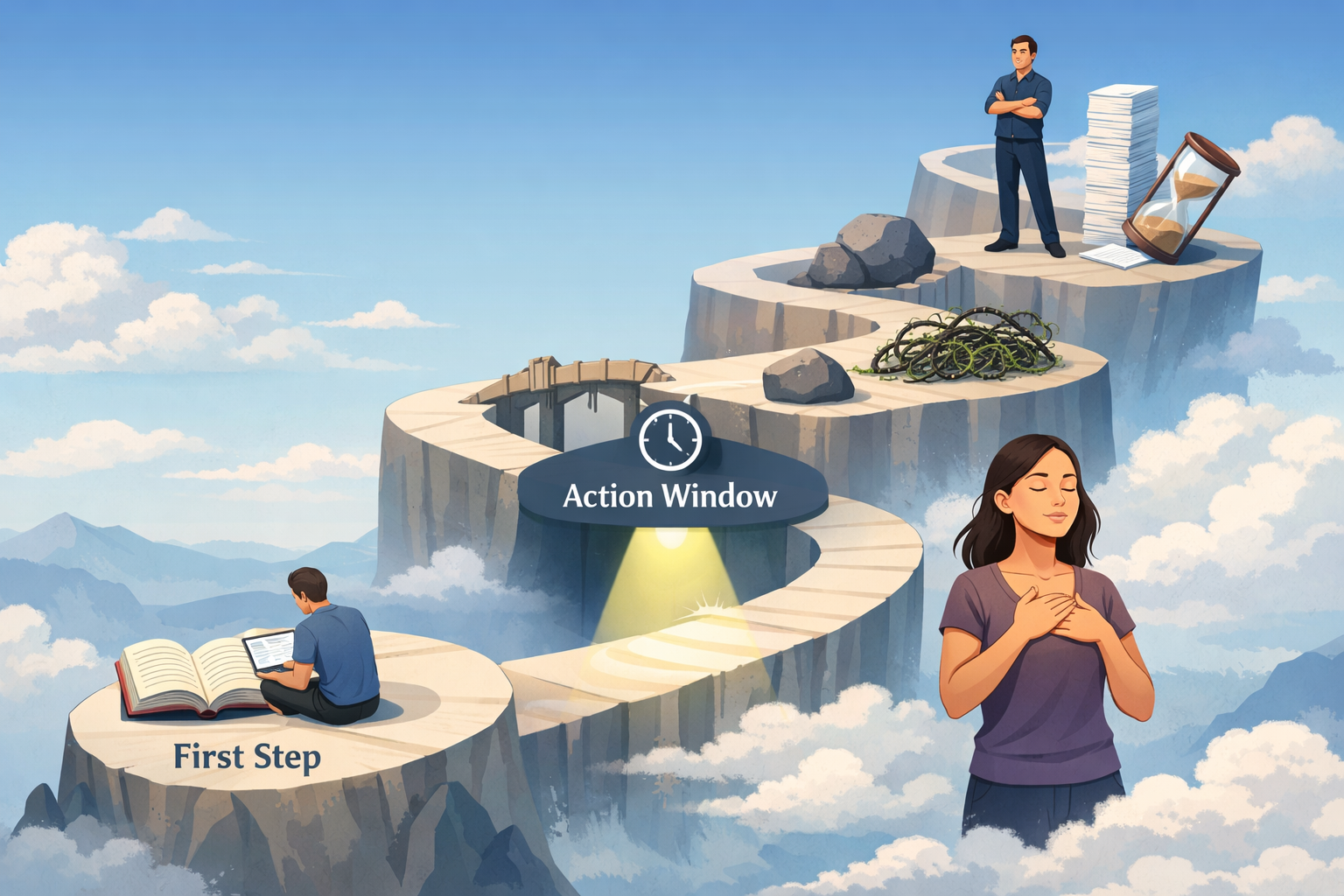
Understanding the specific triggers that lead to procrastination is vital for developing targeted counter-strategies. Many of these triggers relate back to the core concept of emotional regulation.
| Procrastination Trigger | Emotional Root | Counter-Strategy |
|---|---|---|
| Overwhelm / Task Complexity | Anxiety, feeling lost, lack of clarity | Break it Down: Divide large tasks into the smallest possible actionable steps. Focus on just one step at a time. Create a checklist. |
| Fear of Failure/Criticism | Insecurity, perfectionism | Focus on Imperfect Action: Remind yourself that “done is beyond perfect.” Set a goal to produce a “draft” or “minimum viable product.” Seek feedback early to normalize imperfection. |
| Lack of Interest/Boredom | Resentment, apathy, low intrinsic reward | “Gamify” or “Link to Value”: Find a way to make the task more engaging (e.g., set a timer and challenge yourself). Connect the task to a larger personal or professional goal you care about. Consider why time management is important for better structure. |
| Lack of Clear Goals/Purpose | Confusion, aimlessness | Define “why”: Articulate the purpose and desired outcome of the task. If possible, align it with your values or bigger objectives. |
| Distraction Opportunities | Immediate gratification, dopamine seeking | Environmental Control & “Pre-Commitment”: Remove temptations (put phone away, close tabs). Use apps to block distracting websites. Commit to working in a distraction-free zone for a set period. Consider the benefits of taking a work break too. |
| Feeling Exhausted/Burned Out | Low energy, mental fatigue | Prioritize Rest & Self-Care: Recognize when you truly need a break. Engage in restorative activities before tackling demanding tasks. Learn to say no. |
By addressing these common triggers with targeted strategies, individuals can proactively manage their emotional landscape and reduce the likelihood of falling into delay behavior.
What is an avoidance cycle in procrastination?
An avoidance cycle in procrastination refers to the predictable pattern of behavior where an individual encounters an unpleasant or challenging task, experiences negative emotions (like anxiety or fear), attempts to alleviate these emotions by delaying the task, and experiences temporary relief. Then, he faces increased stress and guilt as the deadline approaches. This cycle reinforces the initial avoidance because the immediate relief feels rewarding. Over time, this creates a deeply ingrained habit where discomfort automatically triggers delay, leading to a self-fulfilling prophecy of stress and poor performance.
Conclusion
Understanding the psychology of procrastination is a crucial step toward breaking free from its grasp. It is not a character flaw but a complex interplay of emotional avoidance, cognitive distortions, and the brain’s preference for immediate gratification. By reframing “why we procrastinate” from laziness to a coping mechanism, individuals can reduce self-blame and adopt more effective, psychologically grounded strategies.
Moving forward in 2026, the key to overcoming procrastination lies in a two-pronged approach: first, emotional awareness and regulation (managing fear, perfectionism, or overwhelm before engaging), and second, structured action (breaking tasks into low-friction starts and using time-bound work intervals). Embrace the idea of imperfect action, separate your identity from task outcomes, and cultivate an environment that supports focus. By consistently applying these emotional avoidance habits and practical “overcome procrastination tips,” you can build sustainable productivity and achieve your goals with less stress.
FAQ
Q: Is procrastination always a bad thing?
A: While chronic procrastination is detrimental, occasional delay can sometimes lead to better ideas or stress relief if managed consciously. However, most procrastination stems from avoidance and leads to negative outcomes.
Q: Can perfectionism cause procrastination?
A: Yes, perfectionism is a major driver of procrastination. The fear of not producing a perfect result can be so paralyzing that individuals delay starting altogether to avoid potential failure or criticism.
Q: How does fear of failure contribute to delay behavior?
A: Fear of failure triggers anxiety and self-doubt. To escape these uncomfortable feelings, the brain often prompts individuals to delay the task, providing temporary relief but increasing long-term stress.
Q: What is “present bias” in the context of procrastination?
A: Present bias refers to the tendency to overvalue immediate rewards and undervalue future rewards. In procrastination, it means choosing immediate mood repair (via distraction) over the future benefits of completing a task.
Q: Why do I feel guilt after procrastinating?
A: Guilt arises because your rational mind understands the negative consequences of delay, creating a conflict with the temporary relief gained from avoiding the task. This typically adds to the cycle of stress and avoidance.
Q: Can I overcome procrastination on my own?
A: Many individuals can overcome procrastination with consistent effort and the right strategies. However, if procrastination is severe and significantly impacting your life, consulting a therapist or coach can provide professional guidance.
Q: How quickly can I expect to see results when trying to overcome procrastination?
A: Change takes time and consistency. You may notice minor improvements in a few weeks, but significant shifts in deeply ingrained emotional avoidance habits can take months of dedicated practice.
Q: Are there different procrastinators?
A: While the core mechanism (emotional avoidance) is similar, procrastinators can be categorized by their primary triggers, such as perfectionist procrastinators, anxious procrastinators, or rebellious procrastinators.
Q: Does external pressure help or hurt procrastination?
A: External pressure can sometimes force action, especially near deadlines. However, if the underlying emotional avoidance is not addressed, it often leads to frantic last-minute work and increased stress, rather than sustainable productivity.
Q: How does mindfulness help with procrastination?
A: Mindfulness helps by increasing awareness of the emotions driving procrastination without judgment. This allows you to observe the urge to procrastinate and choose a unique response, breaking the automatic avoidance cycle.
Sources
- Steel, P. (2007). The nature of procrastination: A meta-analytic and theoretical review of quintessential self-regulatory failure. Psychological Bulletin, 133(1), 65–94.
- Pychyl, P. A., & Sirois, F. M. (2016). Procrastination, stress, and well-being: An examination of self-regulation failures, health, and coping. In J. L. Gratch, B. L. Scherer, & J. M. Scherer (Eds.), Stress, coping, and resilience in a time of change: Implications for research and practice (pp. 115–129). Nova Science Publishers.