Have you ever felt constantly on edge, perpetually tired despite ample sleep, or found your mind racing even when you desperately try to relax? In our fast-paced world, where chronic stress, digital overload, and constant mental stimulation are the norm, many individuals experience a persistent state of unease without realizing its root cause: nervous system dysregulation. This isn’t merely about feeling “stressed”; it’s about your body’s fundamental operating system being stuck in overdrive, misinterpreting everyday situations as threats.
Recognizing the signs of a dysregulated nervous system is the crucial first step toward reclaiming your peace, improving your health, and understanding how to foster profound nervous system healing. This comprehensive guide will illuminate the subtle indicators that your stress response system is out of balance and provide practical, evidence-based strategies to regulate your nervous system naturally and ease pervasive chronic stress symptoms.

Key Takeaways
- Understanding Dysregulation: The nervous system, particularly the autonomic nervous system, can get stuck in “fight-or-flight” mode because of chronic stress, leading to a host of physical and emotional symptoms.
- Silent Symptoms: Many signs of dysregulation are subtle, often dismissed as everyday tiredness or personality quirks, including persistent fatigue, digestive issues, and emotional volatility.
- Impact on Well-being: A dysregulated nervous system profoundly affects sleep, mood, cognitive function, digestion, and overall productivity, making life feel overwhelming.
- Natural Healing is Possible: While deep-seated patterns require consistent effort, individuals can effectively regulate their nervous system naturally through breathwork, grounding, sensory practices, and mindful daily habits.
- Embrace Gentle Progress: Healing is a journey, not a quick fix. Focusing on consistent, small steps and cultivating a sense of safety within your body are key to restoring balance.
The Body’s Silent Alarm: Understanding Nervous System Dysregulation and Chronic Stress Symptoms
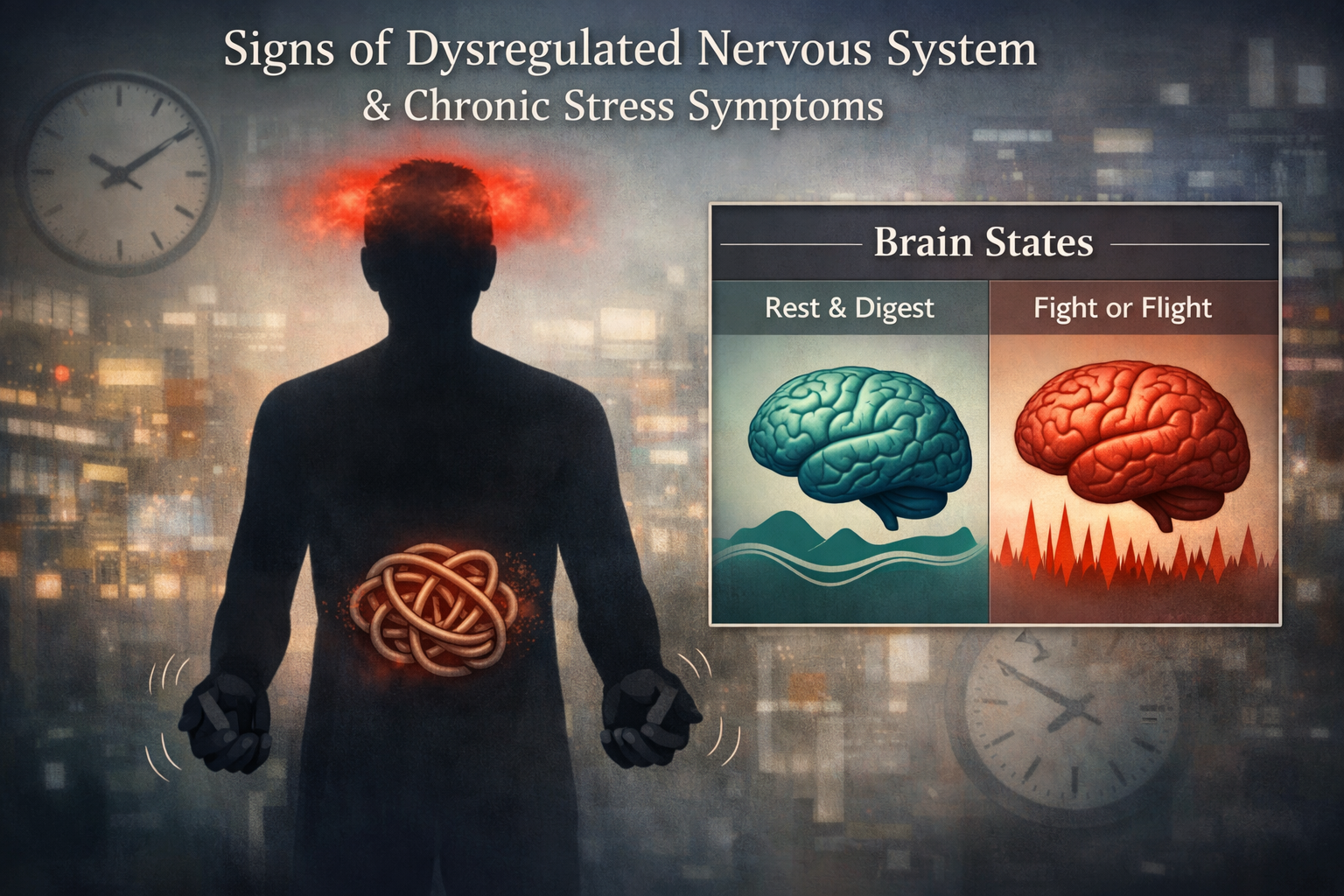
Imagine your nervous system as a sophisticated car. It has a gas pedal (the sympathetic nervous system, responsible for “fight or flight”) and a brake pedal (the parasympathetic nervous system, responsible for “rest and digest”). For optimal performance, you need both to work in harmony, allowing you to speed up when danger is present and brake to recover and relax. However, modern life often keeps our foot glued to the gas pedal.
Constant deadlines, endless notifications, financial worries, relationship challenges, and even the relentless pursuit of self-improvement can activate our sympathetic nervous system. While this “stress response” is vital for survival in acute danger, prolonged activation leads to chronic stress symptoms and, eventually, nervous system dysregulation. Your body perceives non-threatening situations—like an email from your boss or a noisy environment—as full-blown threats, keeping you in a perpetual state of alert. This isn’t just about feeling “stressed out”; it’s a physiological imbalance that impacts every bodily function, from digestion to sleep and from mood to cognitive clarity.
When your nervous system is dysregulated, it loses its flexibility. It struggles to shift from high alert back to a state of calm and safety. This constant state of vigilance drains your energy, wears down your organs, and can lead to a cascade of physical and emotional challenges that are often misunderstood or misdiagnosed. Recognizing these subtle, often silent signs of a dysregulated nervous system is the first step toward regaining control and initiating a path toward deeper healing.
The Two Sides of Your Autonomic Nervous System
To understand dysregulation, it is important to grasp the fundamentals of the autonomic nervous system (ANS):
- Sympathetic Nervous System (SNS): The “gas pedal.” It mobilizes your body for action, increasing heart rate, blood pressure, and muscle tension and diverting blood flow from non-essential functions like digestion. It’s crucial for survival.
- Parasympathetic Nervous System (PNS): The “brake pedal.” It promotes relaxation, digestion, repair, and energy conservation. It slows heart rate, lowers blood pressure, and directs energy towards healing and rest.
In a healthy system, these two work like a perfectly choreographed dance. In a dysregulated system, the SNS typically dominates, preventing the PNS from doing its crucial restorative work.
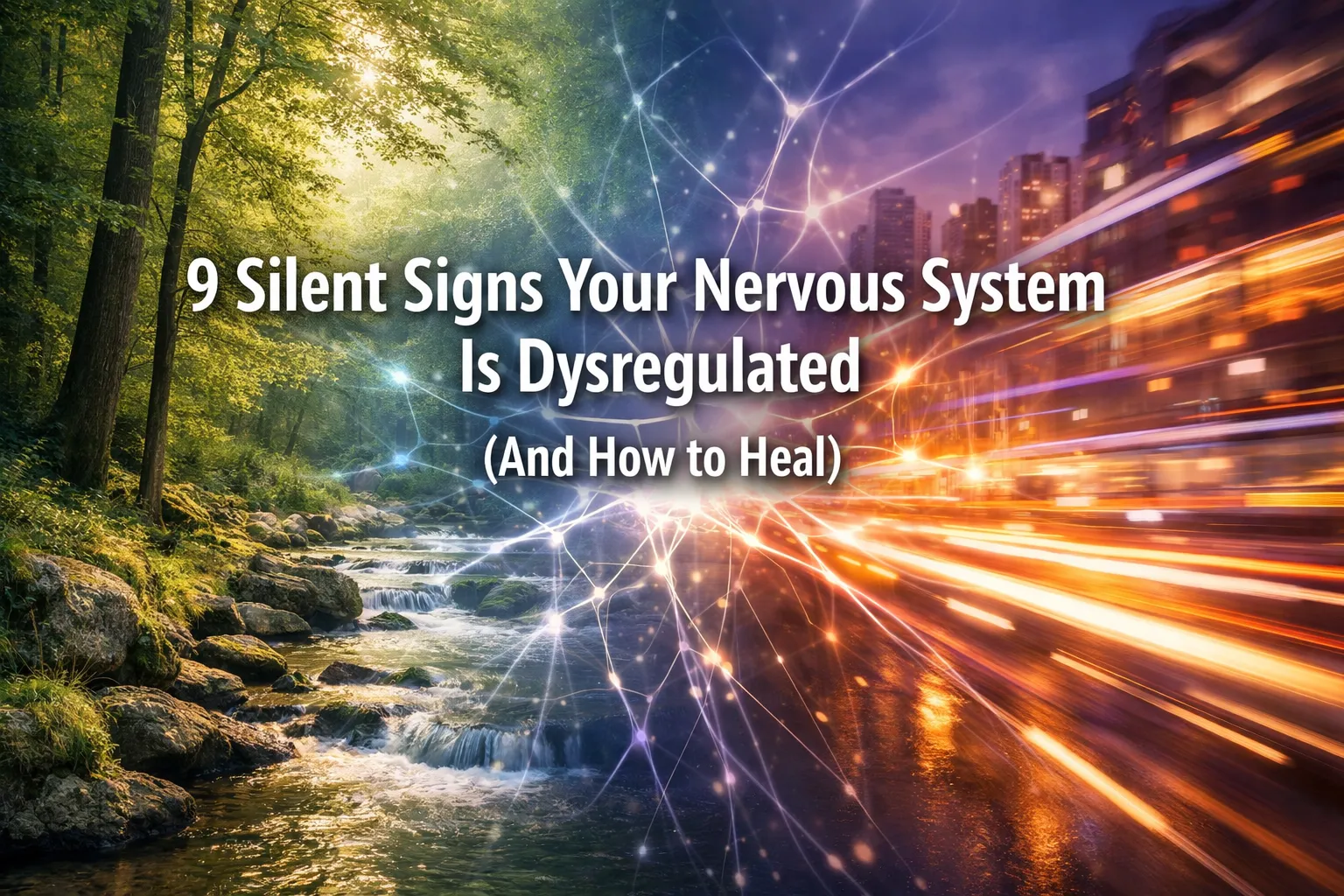
9 Silent Signs Your Nervous System Is Dysregulated
Many individuals walk around experiencing these symptoms daily, attributing them to simply “being busy” or “getting older.” However, these persistent patterns are typically clear indicators of nervous system dysregulation.
1. Persistent Fatigue & Exhaustion Not Relieved by Sleep 😩
You sleep 7-8 hours, sometimes more, but wake up feeling just as tired as when you went to bed. This isn’t typical tiredness; it’s a deep, bone-weary exhaustion. Your body is working overtime to maintain a state of alert, constantly preparing for a threat that never fully materializes. This consumes immense energy, leaving you depleted even after rest. It’s a hallmark of chronic stress symptoms.
- Sarah, a marketing executive, used to pride herself on her ability to function on little sleep. But by 2026, she dragged through every day, even after a full night’s rest. “It felt like my battery was always at 10%,” she recalled. “I thought I just needed more coffee, but it never helped.”
2. Digestive Issues: IBS, Bloating, or Nausea 🤢
The gut is often called the “second brain” because of its intricate connection to the nervous system. When your body is in fight-or-flight, blood flow is diverted away from the digestive tract, hindering its ability to process food efficiently. This can manifest as irritable bowel syndrome (IBS), chronic bloating, acid reflux, constipation, or diarrhea. Your body simply isn’t in a “rest and digest” state.
3. Heightened Sensitivity to Stimuli: Noise, Lights, Crowds 🔊💡👥
Do loud noises make you jump? Are bright lights irritating? Do crowds feel overwhelming and draining? A dysregulated nervous system overprocesses sensory input, making you easily overwhelmed. What might be minor annoyances for others become intense stressors for you, indicating your nervous system is constantly on high alert.
4. Emotional Volatility & Irritability 😠😢
Small frustrations trigger disproportionate anger or sadness. You might snap at loved ones, feel tearful for no apparent reason, or find it difficult to manage your emotional responses. This is because the emotional regulation centers in your brain are compromised when the nervous system is locked in survival mode, making nuanced responses challenging.
“When your nervous system is stuck in survival mode, your emotional regulation takes a backseat.”
5. Difficulty Falling Asleep or Staying Asleep 😴➡️ awake
Insomnia or disturbed sleep is a classic symptom. Your body might be physically tired, but your mind continues to race. You might struggle to fall asleep, wake up frequently, or experience restless sleep because your nervous system is struggling to shift into the parasympathetic “rest and digest” state, even when you’re in bed.
6. Chronic Muscle Tension & Body Aches 🏋️♀️🤕
Constant vigilance means your muscles are perpetually tensed, ready for action. This can lead to persistent neck, shoulder, and back pain, tension headaches, or even jaw clenching. These physical manifestations are your body’s way of signaling it’s braced for impact.
7. Brain Fog & Difficulty Concentrating 🧠🌫️
Struggling to focus, remember things, or make decisions? Chronic stress releases cortisol, which, in high doses, can impair cognitive function. Your brain is prioritizing threat detection over complex thought, leading to a hazy, unfocused mental state. This can severely impact productivity and lead to feelings of frustration. For strategies to improve cognitive function, consider reading about reading for brain health.
8. Feeling Constantly On Edge or Anxious Without a Clear Cause 😟
A pervasive sense of anxiety, restlessness, or dread that doesn’t seem linked to any specific external event. Your internal alarm system is always “on,” even when there’s no immediate danger, creating a generalized feeling of apprehension. This is a clear indicator that your system is perceiving a constant, underlying threat.
9. Weakened Immune System: Frequent Illnesses 🤒🤧
When your body is continuously in stress mode, it diverts resources away from non-essential functions, including your immune system. This can make you more susceptible to colds, flu, and other infections, taking longer to recover, as your body prioritizes managing perceived threats over fighting off pathogens.
Recognizing these signs of a dysregulated nervous system is the first, most powerful step. It shifts the narrative from “there’s something wrong with me” to “my body is reacting to an imbalanced environment, and I can help it find its way back to balance.”
Pathways to Peace: How to Regulate Your Nervous System Naturally and Foster Healing
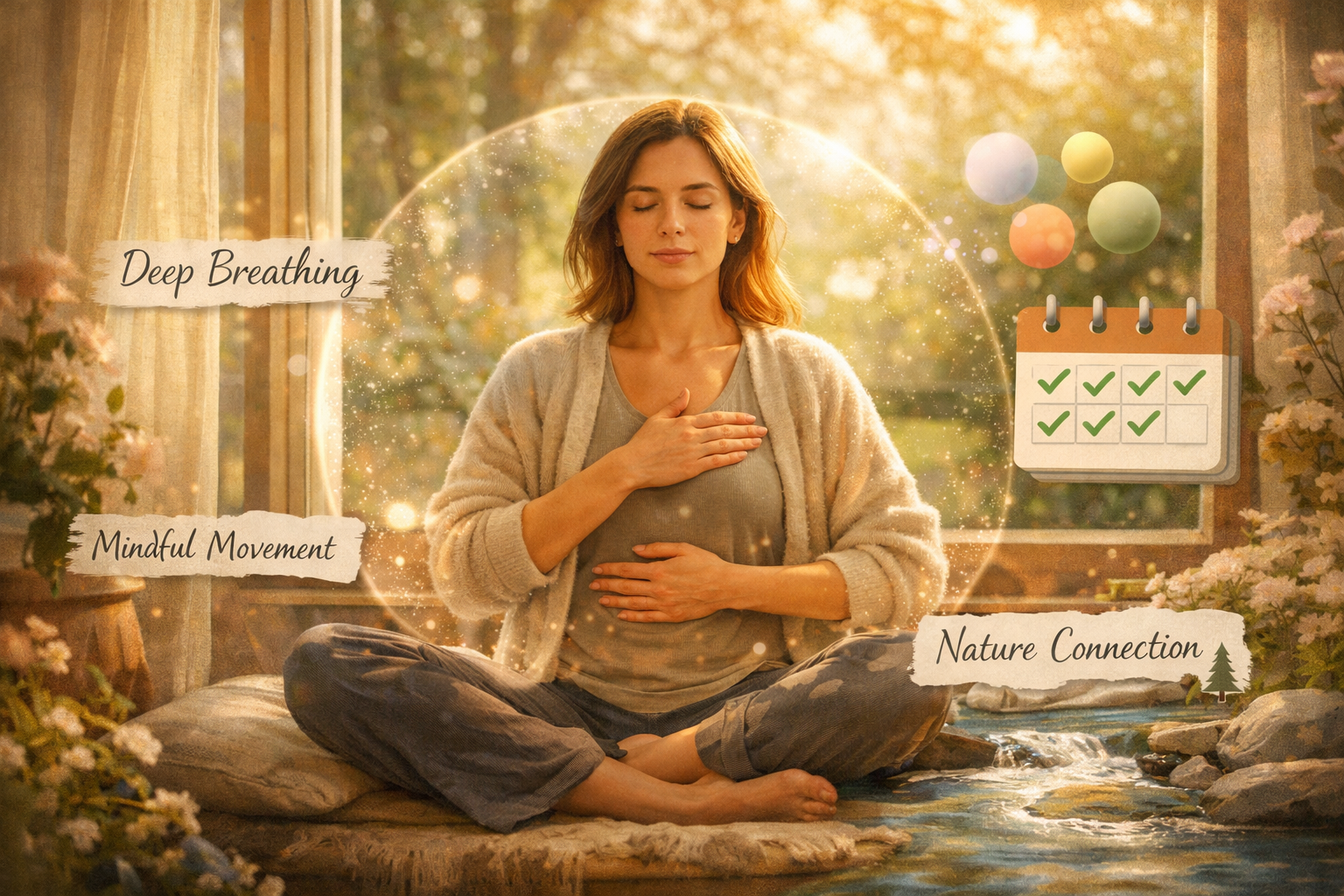
The good news is that your nervous system is remarkably adaptable. With consistent, gentle effort, you can retrain it to distinguish between real threats and perceived stressors, allowing it to move more fluidly between states of activation and rest. The goal isn’t to eliminate stress but to increase your system’s capacity to recover from it. This process involves sending consistent signals of safety to your brain and body, which in turn helps to regulate the nervous system naturally and achieve profound nervous system healing.
1. Harness the Power of Breathwork 🌬️
Your breath is the most immediate and powerful tool you have to influence your nervous system. Deep, diaphragmatic breathing activates the vagus nerve, a key component of the parasympathetic nervous system.
- The 4-7-8 Breathing Technique:
- Inhale deeply through your nose for a count of 4.
- Hold your breath for a count of 7.
- Exhale completely through your mouth with a whoosh sound for a count of 8.
- Repeat 3-5 times.
This technique, developed by Dr. Andrew Weil, is incredibly effective for shifting into a calmer state.
- Box Breathing: Inhale for 4, hold for 4, exhale for 4, hold for 4. Repeat. This is excellent for focus and centering.
- Daily Practice: Commit to 5-10 minutes of intentional breathwork each morning and evening, or whenever you feel overwhelmed.
2. Embrace Grounding Techniques for Safety 🌳🦶
Grounding techniques help bring your awareness back to the present moment, away from anxious thoughts, and connect you to your physical body. This signals safety to your nervous system.
- 5-4-3-2-1 Sensory Scan:
- Name 5 things you can see.
- Name 4 things you can feel (e.g., your feet on the floor, the texture of your clothes).
- Name 3 things you can hear.
- Name 2 things you can smell.
- Name 1 thing you can taste.
- “Earthing” or Barefoot Walking: Spend time outdoors with bare feet on grass, soil, or sand. This physical connection to the earth can be incredibly soothing.
- Physical Contact: Hug a loved one, pet an animal, or hold a warm mug. These simple acts can release oxytocin, a calming hormone. The healing power of human connection is profound.
3. Implement Sensory Regulation Strategies 🛀🎶
Your senses can either overwhelm or soothe your nervous system. Consciously curating your sensory environment can make a huge difference.
- Sound: Listen to calming music, nature sounds (rain, ocean waves), or binaural beats designed for relaxation. Conversely, minimize exposure to harsh noises. Consider exploring practices like sound baths for deep relaxation.
- Sight: Reduce screen time, especially before bed. Spend time looking at natural landscapes. Consider warm, soft lighting in your home.
- Touch: Enjoy a warm bath with Epsom salts, use weighted blankets, or apply gentle pressure with a self-massage tool.
- Smell: Use essential oils known for their calming properties, like lavender, chamomile, or frankincense, through a diffuser or a rollerball.
4. Prioritize Gentle Movement & Exercise 🚶♀️🧘♂️
Vigorous exercise can sometimes overstimulate an already dysregulated system. Focus on gentle movements that help release stored tension and promote somatic awareness.
- Walking in Nature: A powerful combination of movement and grounding.
- Yoga or Tai Chi: These practices integrate movement with breathwork and mindfulness, specifically designed to cultivate balance in the nervous system.
- Gentle Stretching: Slowly move through stretches, noticing sensations in your body. This helps release physical tension without adding stress.
- Dancing: Put on some music and allow your body to move freely, without judgment. This can be a joyful release. Remember that finding ways to motivate yourself to exercise is key to consistency.
5. Cultivate a Sense of Safety Through Daily Habits 🏡🍵
Consistent daily routines send signals of predictability and safety to your brain, reducing its need to be on high alert.
- Consistent Sleep Schedule: Go to bed and wake up around the same time each day, even on weekends. Create a calming bedtime routine.
- Mindful Eating: Eat nourishing meals without distractions. Pay attention to the taste, texture, and smell of your food. This engages the parasympathetic system.
- Digital Detox: Establish boundaries with technology. Designate specific times as screen-free zones, especially an hour or two before bed.
- Connect with Nature: Even a few minutes in a park or by a window looking at trees can be immensely calming.
- Practice Gratitude: Regularly reflecting on things you are grateful for can shift your perspective and promote positive emotions, signaling safety to your brain. Explore how gratitude makes us happier and healthier.
- Mindfulness and Meditation: Even short meditation sessions can significantly improve your ability to regulate your emotions and stress response. For more in-depth understanding, refer to meditation in depth.
6. Foster Healthy Relationships and Connection 🤗🤝
Human connection is a fundamental need and a powerful regulator of the nervous system. Safe, supportive relationships release oxytocin, which counteracts stress hormones.
- Spend Time with Loved Ones: Engage in meaningful conversations, share laughter, and offer physical affection.
- Seek Support: Talk to a trusted friend, family member, or therapist about your experiences. Voicing your struggles can be incredibly validating and soothing. Understanding effective communication in relationships can further enhance these connections.
- Boundaries: Learn to set healthy boundaries in relationships and at work. Saying “no” to protect your energy is a powerful act of self-care that signals self-worth and safety.
7. Prioritize Rest and Play 🛌🤸♀️
In our productivity-obsessed culture, rest and play are often considered luxuries. However, they are essential for nervous system healing.
- Scheduled Downtime: Intentionally block out time in your schedule for relaxation and non-productive activities.
- Engage in Hobbies: Pursue activities purely for enjoyment—reading, painting, gardening, or playing music. These activities shift your focus away from stressors and allow your brain to enter a restorative state.
- Take Breaks: During your workday, take regular, short breaks to stretch, walk, or simply look away from your screen. Even a 5-minute break can help reset your system. The benefits of taking a work break are well-documented.
8. Seek Professional Support When Needed 🧑⚕️🛋️
While self-help strategies are powerful, sometimes professional guidance is necessary, especially if you have experienced trauma or if symptoms are severe.
- Therapy: A therapist specializing in trauma-informed care (like Somatic Experiencing, EMDR, or Polyvagal Theory-informed therapy) can provide tools and support to process underlying issues contributing to dysregulation.
- Medical Check-up: Rule out any underlying medical conditions that might be contributing to your symptoms.
- Coaching: A wellness coach can help you build consistent habits and offer accountability.
Healing your nervous system is a journey, not a destination. It requires patience, self-compassion, and consistent effort. There will be good days and challenging days. The key is to keep returning to practices that cultivate a sense of safety and calm, gradually retraining your system to respond more adaptively to life’s demands. By consciously integrating these strategies, you can shift from merely surviving to truly thriving, experiencing deeper peace, improved health, and greater resilience in 2026 and beyond.
Conclusion: Reclaiming Your Inner Calm in 2026
Recognizing the subtle signs of a dysregulated nervous system is a profound act of self-awareness. It moves you beyond simply “managing stress” to understanding and addressing the fundamental imbalance within your body’s most crucial regulatory system. Whether it’s the persistent fatigue, the unexplained digestive issues, the heightened irritability, or the constant feeling of being on edge, these are not just minor annoyances; they are urgent messages from your body signaling a need for deeper care and nervous system healing.
The journey to regulate the nervous system naturally is one of gentle, consistent steps. It’s about consciously building new habits that send signals of safety and calm, rather than threat and urgency. By incorporating breathwork, grounding techniques, sensory regulation, mindful movement, and intentional rest into your daily life, you begin to retrain your nervous system, teaching it to find its way back to a state of balanced resilience. This process is not about eliminating stress entirely—an impossible and undesirable goal—but about increasing your capacity to navigate life’s challenges with greater ease and to recover more effectively.
As you embark on this path in 2026, remember that healing is deeply personal and unfolds at its pace. Be patient with yourself, celebrate small victories, and prioritize self-compassion. The commitment to understanding and nurturing your nervous system is one of the most impactful investments you can make in your overall health and well-being. By doing so, you’re not just alleviating chronic stress symptoms; you’re reclaiming your inner calm, enhancing your vitality, and building a more resilient, peaceful life. Start today by choosing one small practice from this guide and commit to it, knowing that every breath, every mindful moment, is a step towards a more regulated and harmonious you.