
The Surprising Secret to Redefining Yourself in 2026 and Sticking to Habits
As the calendar turns to 2026, many individuals find themselves at a pivotal point, seeking to shed old patterns and embrace a more fulfilling identity. The aspiration to redefine oneself and cultivate lasting habits is a universal human desire, yet achieving it requires more than just good intentions. It demands a strategic, evidence-based approach that tackles deep-seated beliefs and integrates practical, sustainable actions into daily life. Drawing from practical, psychology-backed tips like quieting negative self-talk, setting boundaries, and habit stacking, this comprehensive guide offers 99 actionable steps to transform your identity starting now. This article provides a roadmap for those ready to embark on a journey of profound personal transformation, equipping them with the tools to truly redefine themselves in 2026 and build habits that stick.
Key Takeaways
- Mindset is Paramount: True redefinition begins with shifting your internal narrative, cultivating self-compassion, and embracing a growth mindset.
- Habits are Building Blocks: Lasting change is achieved through small, consistent actions, making habit formation and stacking crucial.
- Holistic Approach: Redefining yourself involves addressing mental, emotional, physical, and relational well-being simultaneously.
- Self-Leadership is Key: Taking ownership of your choices, setting boundaries, and practicing self-reflection are foundational to sustainable transformation.
- Patience and Persistence: The journey of self-redefinition is ongoing, requiring commitment, resilience, and a willingness to adapt.
Foundational Shifts: Mindset & Self-Perception (Ways 1-33)
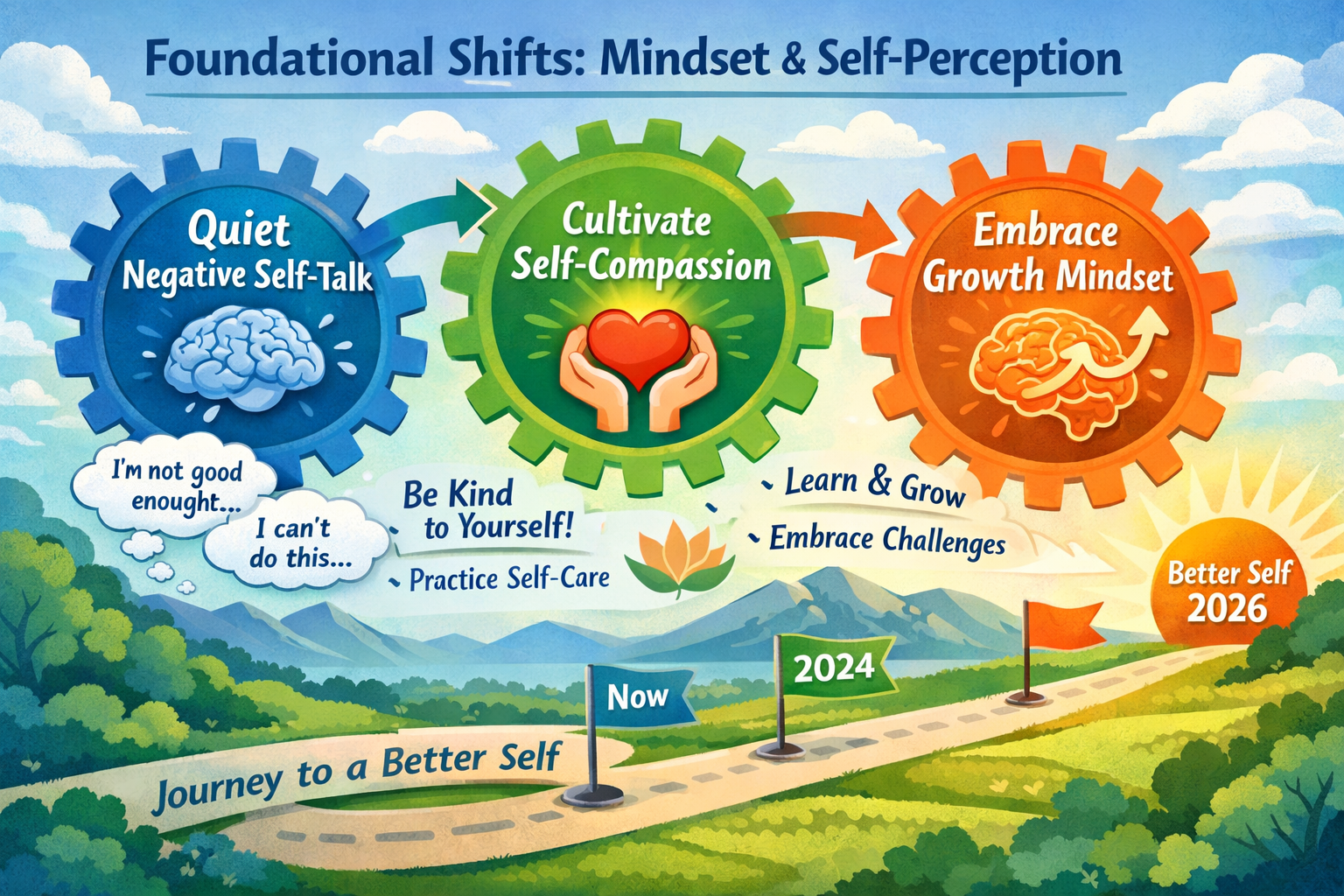


Redefining yourself in 2026 starts from within. It’s about changing the way you think about yourself, your capabilities, and your potential. These initial steps focus on cultivating a robust mindset that supports lasting change.
Quieting Negative Self-Talk and Cultivating Self-Compassion
- Identify Your Inner Critic: Become aware of the negative thoughts and self-limiting beliefs that hold you back. Write them down.
- Challenge Automatic Negative Thoughts (ANTs): Question the validity of your negative thoughts. Are they facts or interpretations? (Beck, 1964).
- Reframe Negativity: Transform “I can’t” into “I can learn how.” Replace judgmental language with curious inquiry.
- Practice Mindful Self-Compassion: Treat yourself with the same kindness and understanding you would offer a friend (Neff, 2003). Say encouraging words to yourself.
- Acknowledge Universal Human Experience: Remind yourself that imperfection and struggle are part of being human, reducing feelings of isolation.
- Use Self-Compassion Breaks: When feeling overwhelmed, pause and offer yourself a moment of warmth and understanding.
- Limit Social Comparison: Reduce time spent on platforms that trigger comparison. Focus on your unique journey.
- Create a Self-Appreciation Journal: Regularly list your accomplishments, strengths, and positive qualities.
- Set Realistic Expectations: Understand that perfection is unattainable and progress is more important than flawless execution.
- Forgive Past Mistakes: Release the burden of past errors. Learn from them and move forward. Consider exploring 10 Tips to Help Deal with Regret and Move Forward with Life.
- Practice Gratitude: Regularly acknowledge the good things in your life. This can significantly shift your perspective and boost happiness. Learn more about How Gratitude Makes Us Happier and Healthier?
- Visualize Your Ideal Self: Close your eyes and vividly imagine the person you aspire to be in 2026, focusing on their qualities and actions.
“Your mind is a powerful tool. Learn to master it, and you master your destiny.”
— Dr. Carol S. Dweck
Embracing a Growth Mindset for Redefining Yourself in 2026
- Understand Neuroplasticity: Recognize that your brain can change and grow throughout your life, making new habits and learning possible (Dweck, 2006).
- View Challenges as Opportunities: See obstacles not as roadblocks, but as chances to learn and develop new skills.
- Celebrate Effort, Not Just Outcome: Praise your perseverance and learning, regardless of the immediate result.
- Learn from Feedback: Welcome constructive criticism as valuable information for improvement, rather than a personal attack.
- Cultivate Curiosity: Approach new subjects and experiences with a genuine desire to learn.
- Read Biographies of Resilient Individuals: Gain inspiration from those who overcame significant challenges.
- Develop a Learning Plan: Identify skills you want to gain and create a step-by-step plan for learning them.
- Embrace the “Not Yet” Mentality: When you struggle, remind yourself that you “haven’t mastered it yet.”
- Step Outside Your Comfort Zone: Regularly engage in activities that push your boundaries slightly.
- Seek Mentors or Role Models: Find individuals whose growth and mindset you admire and learn from them.
- Journal Your Learning Journey: Document your insights, breakthroughs, and challenges as you grow.
Enhancing Emotional Intelligence and Self-Awareness
- Identify Your Emotions: Practice naming what you are feeling beyond just “good” or “bad.”
- Understand Triggers: Recognize what situations, people, or thoughts lead to specific emotional responses.
- Develop Emotional Vocabulary: Expand your range of words to describe emotions accurately.
- Practice Active Listening: Pay full attention when others speak, both to their words and their underlying emotions.
- Seek Feedback on Your Emotional Impact: Ask trusted individuals how your emotions and actions affect them.
- Engage in Mindfulness Meditation: This practice enhances present-moment awareness, including awareness of emotions (Kabat-Zinn, 1990). For more profound insights, explore Meditation in Depth.
- Journal of Emotional Experiences: Reflect on specific emotional events, analyzing your reactions and learning from them.
- Practice Empathy: Try to understand situations from another person’s perspective.
- Learn to Regulate Emotions: Develop healthy coping mechanisms for intense emotions, such as deep breathing or taking a break.
- Set Healthy Boundaries: Understand your limits and communicate them effectively in relationships and at work. This is crucial for maintaining well-being.
| Mindset Shift | Old Pattern | New Pattern (2026 Focus) |
|---|---|---|
| Self-Talk | “I’m not good enough.” | “I am capable of learning and improving.” |
| Challenges | “This is too hard; I’ll fail.” | “This is an opportunity to grow and develop.” |
| Feedback | “They’re criticizing me.” | “This feedback helps me refine my approach.” |
| Imperfection | “I must be perfect.” | “Progress, not perfection, is the goal.” |
| Emotional Response | “I’m overwhelmed by this feeling.” | “I acknowledge this feeling and choose my response.” |
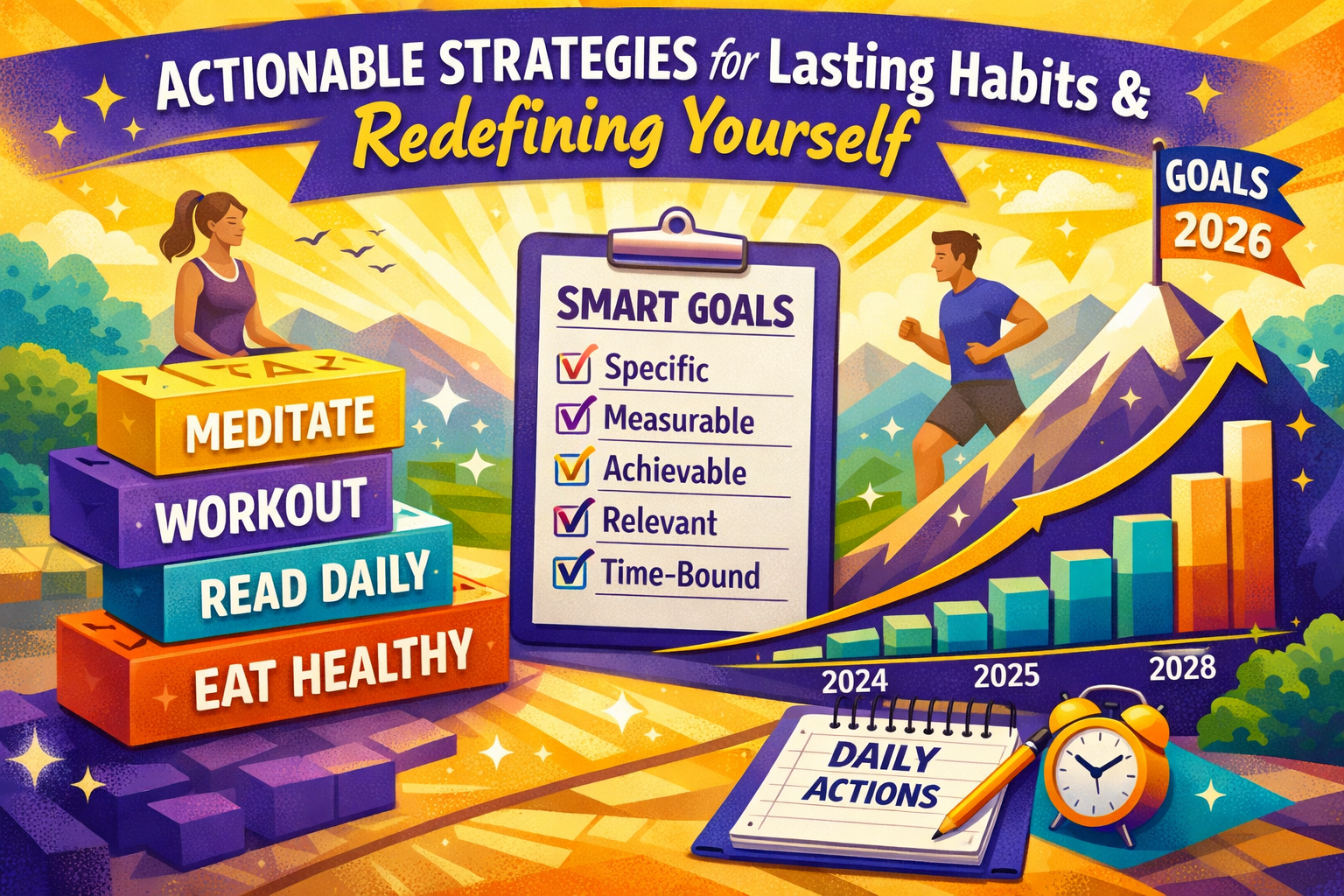
Actionable Strategies for Lasting Habits & Redefining Yourself in 2026 (Ways 34-99)
Once your mindset is primed, it’s time to implement concrete strategies for building the habits that embody your redefined self. These actions cover various aspects of life, ensuring a holistic transformation.
Strategic Habit Formation and Breaking Bad Habits
- Start Small (Atomic Habits): Make new habits so tiny they are impossible to fail (Clear, 2018). For example, instead of “workout for an hour,” try “put on gym clothes.”
- Utilize Habit Stacking: Attach a new desired habit to an existing, strong habit. (“After I brush my teeth, I will meditate for one minute.”)
- Make it Obvious: Place cues for your desired habits in prominent places. (Put your running shoes by the door).
- Make it Attractive: Associate your habit with something you enjoy. (Listen to your favorite podcast while cleaning).
- Make it Easy: Reduce friction for desired habits. (Prepare healthy snacks in advance).
- Make it Satisfying: Reward yourself immediately after completing a habit. (Enjoy a cup of tea after a study session).
- Track Your Habits: Use a calendar or app to mark off days you successfully perform a habit. Don’t break the chain!
- Identify Triggers for Bad Habits: Understand what prompts your undesirable behaviors.
- Make Bad Habits Invisible: Remove cues for unwanted behaviors. (Hide junk food).
- Make Bad Habits Unattractive: Focus on the negative long-term consequences of bad habits.
- Make Bad Habits Difficult: Add friction to unwanted behaviors. (Unplug the TV after watching).
- Make Bad Habits Unsatisfying: Create an immediate negative consequence for unwanted behavior (e.g., donate $5 to a cause you dislike if you skip a workout).
- Design Your Environment: Shape your surroundings to support your desired behaviors and discourage unwanted ones.
- Find an Accountability Partner: Share your goals with someone who can check in on your progress.
- Schedule Your Habits: Block out specific times in your day for important new behaviors.
- Review Progress Weekly: Take time to assess what worked, what didn’t, and adjust your approach.
- Implement “If-Then” Plans: Decide in advance how you’ll handle common obstacles. (“If I feel tired after work, then I will do a 10-minute walk instead of sitting on the couch.”)
- Focus on Identity-Based Habits: Instead of “I want to run a marathon,” think “I am a runner.” Your actions reinforce your identity (Clear, 2018).
- Master the Two-Minute Rule: If a new habit takes less than two minutes, do it immediately.
Enhancing Physical and Mental Well-being
- Prioritize Sleep: Aim for 7-9 hours of quality sleep per night. Establish a consistent sleep schedule.
- Create a Relaxing Bedtime Routine: Wind down with activities like reading, a warm bath, or light stretching. For tips, see 10 Simple Things That Will Make You Sleep like a Baby Tonight.
- Incorporate Regular Exercise: Find an activity you enjoy and make it a consistent part of your week. Even short bursts help. Need motivation? Check out 18 Powerful Strategies to Motivate Yourself to Exercise.
- Hydrate Consistently: Drink plenty of water throughout the day.
- Eat Nutrient-Dense Foods: Focus on whole, unprocessed foods that fuel your body and mind.
- Limit Processed Foods and Sugars: These can negatively affect mood and energy levels.
- Practice Deep Breathing Exercises: Take short breaks to engage in diaphragmatic breathing to reduce stress.
- Spend Time in Nature: Research shows a strong link between nature exposure and improved mood and cognitive function.
- Disconnect from Screens: Establish screen-free times, especially before bed.
- Seek Sunlight Exposure: Especially in the morning, to regulate your circadian rhythm and boost mood.
- Learn a New Skill: Engage your brain and boost confidence by acquiring new knowledge or abilities.
- Read Regularly: Reading stimulates your mind, reduces stress, and expands your perspective. Explore the Most Powerful Benefits of Reading Books.
- Practice Mindfulness Throughout the Day: Pay attention to sensations, sounds, and sights during routine activities.
- Manage Stress Effectively: Identify your stressors and develop healthy coping strategies. For a comprehensive guide, see Anger Management Guide for Better Mental Well-Being.
- Limit Multitasking: Focus on one task at a time to improve efficiency and reduce cognitive load. This can help with 16 Useful Tips for Improving Your Mental Focus.
- Declutter Your Physical Space: A tidy environment can lead to a clearer mind.
- Consider Professional Support: Don’t hesitate to seek help from a therapist or coach if you’re struggling.
- Boost Dopamine Naturally: Engage in activities like exercise, achieving small goals, listening to music, and healthy eating to naturally increase your dopamine levels. Read more about Natural Ways to Increase Your Dopamine Levels ».
Cultivating Stronger Relationships and Community
- Invest in Close Relationships: Nurture connections with family and friends who support your growth.
- Practice Effective Communication: Learn to express your needs and listen actively to others. Effective communication is essential. Learn more about Effective Communication in Relationships: Expressing & Listening Skills..
- Show Appreciation: Regularly express gratitude to those around you.
- Offer Help to Others: Volunteering or simply assisting a neighbor can foster connection and purpose.
- Join a Community Group: Find a club, class, or organization that aligns with your interests.
- Limit Toxic Relationships: Distance yourself from individuals who consistently drain your energy or undermine your efforts.
- Practice Forgiveness: Release grudges towards others for your peace of mind. The Art of Letting Go: How to forgive someone? Offers guidance.
- Be Present in Conversations: Put away your phone and give your full attention to the person you’re with.
- Understand Love Languages: Learn how you and your loved ones prefer to give and receive affection (Chapman, 1992). Explore Understanding Love Languages: Connecting with Your Partner.
- Set Relationship Boundaries: Define what is and isn’t acceptable in your interactions to protect your energy and time.
- Engage in Meaningful Conversations: Move beyond superficial topics to discuss deeper ideas and feelings. For tips, read The Art Of Conversation- How To Start One?.
- Seek Support When Needed: Don’t be afraid to ask for help from your social network.
- Celebrate Others’ Successes: Genuinely rejoice in the achievements of friends and colleagues.
Purpose, Vision, and Self-Leadership
- Define Your Core Values: Identify what truly matters to you. These values will guide your decisions.
- Clarify Your Life Vision: What kind of life do you want to create for yourself in 2026 and beyond?
- Set SMART Goals: Make your goals Specific, Measurable, Achievable, Relevant, and Time-bound (Doran, 1981).
- Create an Action Plan: Break down your larger goals into smaller, manageable steps.
- Practice Self-Reflection: Regularly review your progress, challenges, and insights.
- Cultivate Self-Discipline: Develop the ability to do what needs to be done, even when you don’t feel like it.
- Take Initiative: Don’t wait for permission; take ownership of your personal growth journey.
- Develop Time Management Skills: Allocate your time effectively to align with your priorities. Why Time Management Is Important?
- Learn to Say “No”: Protect your time and energy by declining requests that don’t align with your goals or values.
- Embrace Imperfection and Iteration: Understand that you won’t always get it right, and that’s okay. Learn and adjust.
- Develop a Morning Routine: Start your day intentionally with habits that support your goals.
- Create an Evening Routine: Wind down purposefully, preparing for restful sleep and the next day.
- Regularly Review Your Vision Board/Goals: Keep your aspirations front and center to maintain motivation.
- Practice Decision-Making: Take calculated risks and learn from the outcomes.
- Be Your Advocate: Speak up for your needs and desires.
- Continuously Learn and Adapt: The world changes, and so should you. Stay open to new information and ways of being. This ongoing process of self-improvement is key to becoming a self-leader.
| Category | Example Habits for 2026 | Impact on Redefinition |
|---|---|---|
| Physical Health | Morning 10-minute stretch, daily 30-minute brisk walk, cooking 3 healthy meals/week. | More energy, improved mood, and feeling strong and capable. |
| Mental Clarity | 5-min daily meditation, reading for 20 mins before bed, journaling thoughts. | Reduced stress, better focus, enhanced self-awareness. |
| Emotional Growth | Practicing gratitude, intentional acts of kindness, and setting clear boundaries. | Increased empathy, stronger relationships, greater inner peace. |
| Personal Growth | Learning a new language for 15 minutes daily, dedicating an hour to a passion project weekly. | Expanded horizons, boosted confidence, and a sense of accomplishment and purpose. |
| Relationships | Weekly check-in call with a loved one, active listening during conversations. | Deeper connections, improved communication, and feeling supported and valued. |
Redefining yourself in 2026 is an active, intentional process. It requires a commitment to observing your thoughts, questioning old patterns, and consistently choosing behaviors that align with the person you aspire to be. The 99 evidence-based ways outlined above provide a comprehensive framework for this journey.
Conclusion
The year 2026 presents a fresh canvas for personal transformation, a powerful opportunity to redefine who you are and build the lasting habits that support your highest self. The journey of self-redefinition is not a singular event but an ongoing process, rooted in an in-depth understanding of self-compassion, a commitment to growth, and the strategic implementation of small, consistent actions. By integrating the 99 evidence-based ways discussed—from challenging negative self-talk and practicing mindfulness to strategically forming habits and cultivating meaningful relationships—you equip yourself with a robust toolkit for genuine and sustainable change.
Remember that progress, not perfection, is the goal. There will be days when motivation wanes or old habits resurface. In those moments, return to the principles of self-compassion, reflect on your vision, and gently redirect your efforts. Each small step, each conscious choice, builds momentum towards the person you aspire to become.
Actionable Next Steps:
- Select 3-5 Core Habits: From the list of 99 ways, choose 3-5 habits that resonate most deeply with your vision for 2026 and that you feel you can realistically start this week.
- Apply Habit Stacking: Identify an existing habit and stack one of your new desired habits onto it.
- Track Your Progress: Use a simple method (journal, app, calendar) to track your chosen habits daily.
- Schedule Reflection Time: Dedicate 15-30 minutes each week to review your progress, celebrate small wins, and adjust your approach as needed.
- Seek Support: Share your goals with a trusted friend or family member, or consider joining a community focused on personal growth.
Your redefined self in 2026 is within reach. Embrace the process, commit to the journey, and watch as these evidence-based strategies transform your life.
References
- Beck, A. T. (1964). Thinking and depression: Idiosyncratic content and cognitive distortions. Archives of General Psychiatry, 10(6), 561-571.
- Chapman, G. (1992). The 5 Love Languages: The Secret to Love That Lasts. Northfield Publishing.
- Clear, J. (2018). Atomic Habits: An Easy & Proven Way to Build Good Habits & Break Bad Ones. Avery.
- Doran, G. T. (1981). There’s a S.M.A.R.T. way to write management’s goals and objectives. Management Review, 70(11), 35-36.
- Dweck, C. S. (2006). Mindset: The New Psychology of Success. Random House.
- Kabat-Zinn, J. (1990). Full Catastrophe Living: Using the Wisdom of Your Body and Mind to Face Stress, Pain, and Illness. Delta.
- Neff, K. D. (2003). Self-compassion: An alternative conceptualization of a healthy attitude toward oneself. Self and Identity, 2(2), 85-101.