
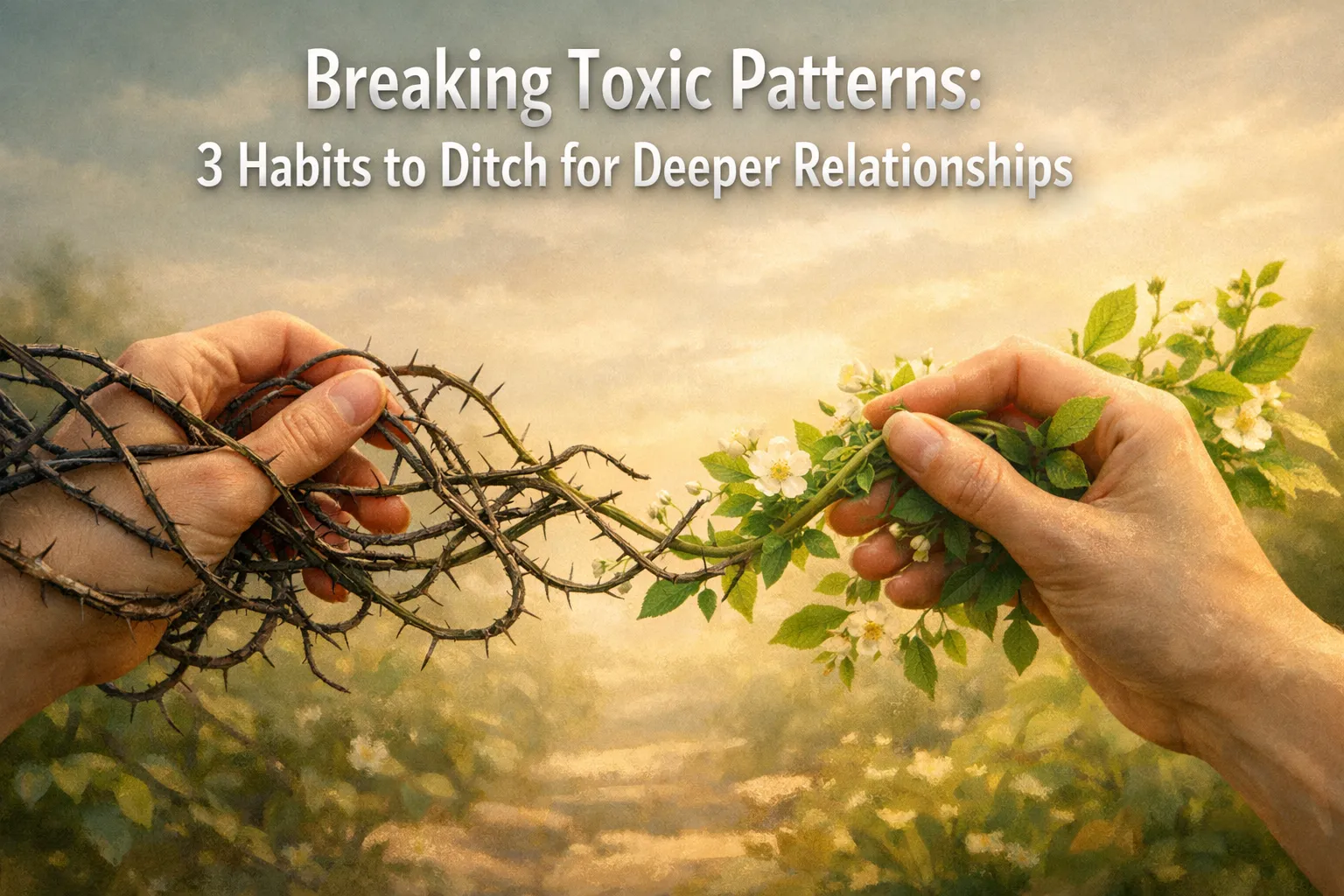
The silence in a conversation often speaks louder than words, especially when it stems from unaddressed hurts or unspoken expectations. We all crave connection, yet sporadically, the very habits we cling to—often unconsciously—become the invisible walls that prevent us from forging the deeper relationships we yearn for. If you’ve ever felt stuck in a loop of conflict, misunderstanding, or emotional distance, you’re not alone.
Many of us carry deeply ingrained toxic relationship habits that subtly sabotage our chances for genuine intimacy. The good news? Recognizing these toxic patterns is the first powerful step towards cultivating healthy relationship patterns, fostering true emotional growth in relationships, and embarking on a journey of profound relationship self-improvement. In 2026, it’s time to review the “scripts” of life that hold us back and rewrite them with clarity and compassion, paving the way for a richer, deeper emotional connection.


At AkReviews, we believe in providing not just information but a map for transformation. This article will help you identify and ditch three common toxic habits, guiding you toward a more authentic and fulfilling connection with others, and most importantly, with yourself.
Key Takeaways:
- Mind-reading and Assumptions: Ditch the habit of assuming you know what others think or feel without open communication. This leads to misunderstandings and erodes trust.
- Reactive Communication & Blame: Move beyond immediate, defensive reactions and the urge to blame. Instead, focus on self-awareness, active listening, and owning your part in conflicts.
- Emotional Withholding & Scorekeeping: Stop holding back your true feelings or keeping a tally of who “owes” whom. Embrace vulnerability and generosity to build a foundation of trust and genuine intimacy.
- Self-awareness is Key: True change begins with understanding your triggers and patterns. This personal insight is crucial for fostering healthier interactions.
- Actionable Steps: Each habit broken down offers concrete steps you can take today to foster deeper, more meaningful connections.
1. Ditching the Crystal Ball: Why Mind-Reading, Assumptions, and Blame Sabotage Deeper Emotional Connection

How often have you thought, “They should know what I want” or “I just knew they would react that way”? This is the insidious trap of mind-reading and assumptions, often paired with the destructive habit of blame. We project our fears, experiences, and insecurities onto others, creating elaborate narratives in our heads that bear little resemblance to reality. This isn’t just a communication breakdown; it’s an intimacy killer, preventing genuine emotional growth in relationships.
Think about it: when you assume you know what your partner or friend is thinking, you shut down the possibility of actually asking and listening. You operate on a fabricated script, which inevitably leads to misunderstandings and resentment. When things inevitably go awry based on these assumptions, the natural follow-up is typically blame—pointing fingers rather than looking inward. “It’s your fault because you always…” or “If only you had…”
This cycle creates a volatile environment where trust cannot flourish. Instead of feeling seen and understood, individuals feel judged, misinterpreted, and defensive. It’s a classic toxic relationship habit that drains energy and makes authentic connection feel impossible. It hinders the ability to deepen the bond and keeps relationships shallow.
The Road to Clarity: Practical Steps
- Ask, Don’t Assume: This sounds simple, but it requires conscious effort. If you’re unsure, ask. “What did you mean by that?” “How are you feeling about this?” “Can you help me understand your perspective?” This simple act opens the door to clarity and shows respect. This is a vital component of effective communication in relationships.
- Cultivate Curiosity: Approach conversations with a genuine desire to learn about the other person’s internal world, rather than confirming your biases. This shift in mindset can transform your interactions.
- Own Your Part: When conflict arises, pause and reflect on your contribution before pointing fingers. Even if you feel entirely justified, consider what role your assumptions, reactions, or communication style played. This isn’t about self-blame, but about self-awareness and accountability, which are cornerstones of relationship self-improvement. As we say at AkReviews, unlock your inner dialogue to better understand your triggers.
- Use “I” Statements: Instead of “You always make me feel…,” try “I feel [emotion] when [situation happens] because [reason].” This frames your feelings as your experience, making it less accusatory and more open to dialogue.
- Practice Active Listening: Go beyond just hearing words; truly listen to understand. This means giving the speaker your full attention, reflecting on what they’ve said, and asking clarifying questions without interrupting. This is a powerful antidote to mind-reading. You can learn more about how listening skills enhance connection.
“Assumptions are the termites of relationships. They eat away at the foundation of trust, leaving behind a hollow shell where genuine connection once stood.”
Imagine Sarah, who always assumed her partner, Mark, wasn’t listening when he was quiet. She’d get frustrated, thinking he didn’t care. Instead of asking, “What are you thinking?” she’d stew in her resentment, leading to snappy comments and passive-aggressive behavior. Mark was often quiet because he was deeply processing what she’d said. Her assumptions created a chasm between them. When Sarah started asking, “Is everything okay? You seem quiet,” Mark finally explained his processing style. This small shift dramatically improved their communication, moving them towards healthy relationship patterns.
By letting go of the crystal ball and embracing genuine inquiry and personal accountability, you dismantle one of the most stubborn toxic relationship habits. You build a foundation of trust and clarity, essential for deeper emotional connection. This mindful approach also enhances your cognitive vitality by fostering clearer thinking and less emotional clutter.
2. Escaping the Cycle of Reactivity: From Defensive Reactions to Healthy Relationship Patterns
We’ve all been there: a innocent comment triggers an immediate, disproportionate emotional response. Or perhaps in an argument, the conversation escalates quickly because both parties are more concerned with winning or defending themselves than truly understanding. This is the hallmark of reactive communication and emotional defensiveness, a powerful toxic relationship habit that can turn minor disagreements into major battles.
Reactive patterns often stem from a deeply rooted desire to protect ourselves from perceived threats—whether it’s feeling criticized, misunderstood, or invalidated. Our brains, designed for survival, sometimes interpret emotional discomfort as a danger signal, prompting a “fight or flight” response. This can manifest as:
- Immediate Defensiveness: Shutting down, making excuses, or counter-attacking (“Well, you always…”).
- Emotional Escalation: Raising your voice, using aggressive language, or resorting to personal attacks.
- Stonewalling: Withdrawing completely, refusing to engage, or giving the silent treatment.
- Minimizing or Dismissing: Invalidating the other person’s feelings (“You’re overreacting,” “It’s not a big deal”).
These reactions create a minefield in relationships. They shut down vulnerability, prevent resolution, and leave both parties feeling hurt, unheard, and emotionally unsafe. It’s incredibly difficult to achieve emotional growth in relationships when you’re constantly bracing for the next emotional blow. This often creates a sense of overwhelm, making it difficult to master the overwhelm and find peace.
Cultivating Calm: Steps to Break Reactive Patterns
- The Pause Button: When you feel a strong emotional reaction bubbling up, consciously hit the “pause” button. Take a deep breath. Count to ten. Step away if necessary, with a promise to return to the conversation (“I need a few minutes to collect my thoughts, but I want to finish this discussion”). This creates crucial space between stimulus and response, allowing your rational brain to catch up.
- Identify Your Triggers: What situations, words, or tones consistently set you off? Understanding your personal triggers is vital for anticipating and managing your reactions. Are you sensitive to criticism? Do you feel unseen when someone dismisses your ideas? Recognizing these patterns is a huge leap in relationship self-improvement.
- Practice Self-Regulation: Developing tools to calm your nervous system can be incredibly helpful. Techniques like meditation, deep breathing exercises, or even a short walk can help you respond from a place of calm rather than react from a place of panic or anger. This is key to protecting your peace.
- Empathy First: Before you respond, try to put yourself in the other person’s shoes. What might they be feeling or trying to communicate? Even if you disagree, acknowledging their perspective can de-escalate tension. “I hear that you’re feeling frustrated right now.”
- Focus on Resolution, Not Winning: Shift your mindset from debate to collaboration. In a healthy relationship, there’s no “winner” or “loser” in an argument, only shared understanding and mutual resolution. This is about navigating the complexities of connection together.
Consider David and Lisa. David used to stonewall whenever Lisa brought up a difficult topic, making Lisa feel ignored and unimportant. Lisa, in turn, would escalate her tone, feeling desperate to get a response. This was a classic cycle of toxic relationship habits. After learning about reactive patterns, David started using the “pause button” and communicating his need for space, promising to revisit the conversation later. Lisa, seeing his effort, learned to respect his need for a moment and found calmer ways to express her needs when they reconvened. This shift wasn’t easy, but it led to more productive discussions and significantly improved their deeper emotional connection. Their journey reflects the core of emotional growth in relationships.
By consciously choosing to respond rather than react, you create a safer space for open dialogue and genuine understanding. This is how you transition from toxic relationship habits to truly healthy relationship patterns, building resilience and trust in your connections.
3. Breaking the Chains of Scarcity: Ditching Emotional Withholding and Scorekeeping for Deeper Bonds
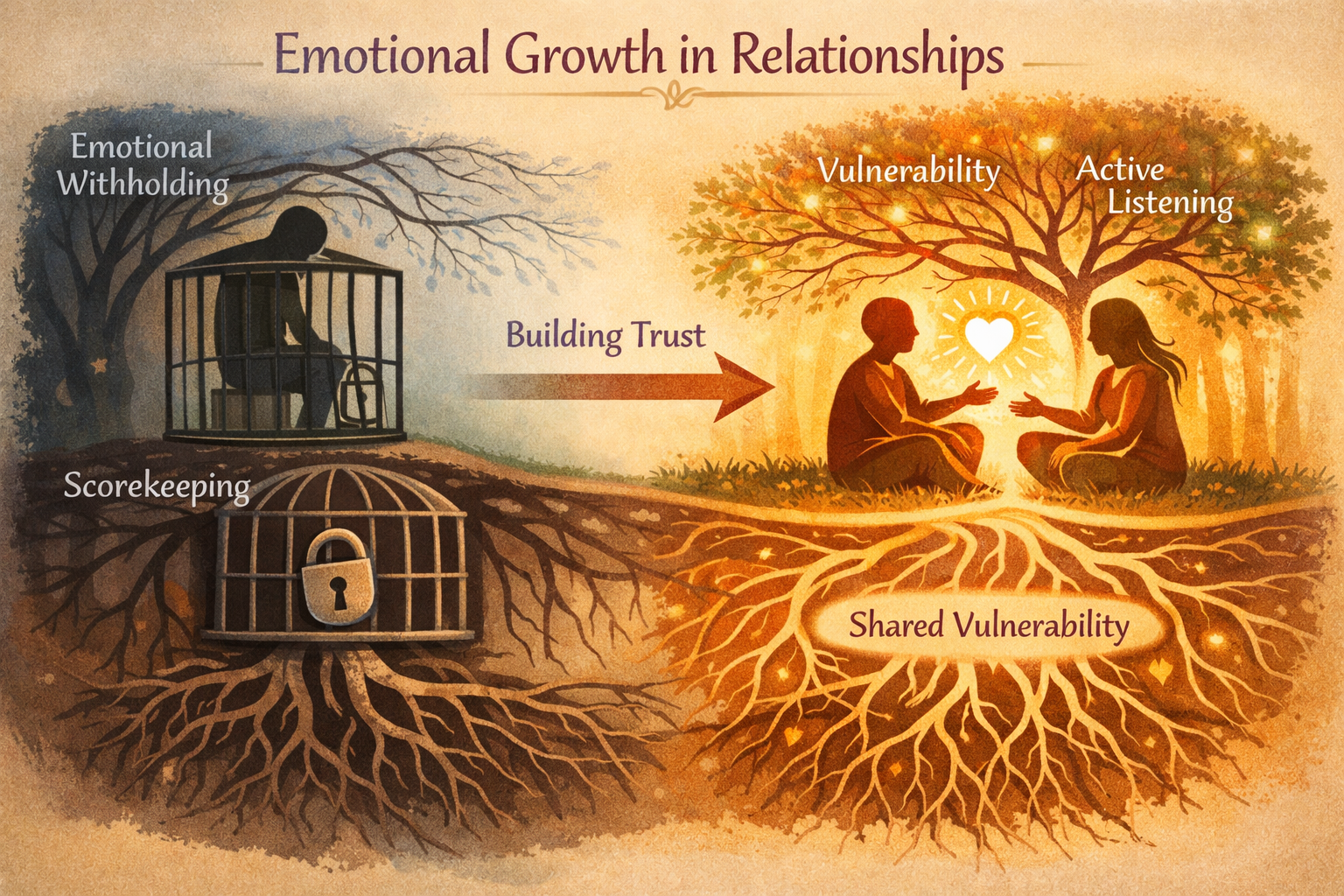
Imagine a relationship where love, affection, and honest communication are treated like scarce resources, hoarded, and only deployed under specific conditions. This is the reality when emotional withholding and scorekeeping take root, two subtle yet incredibly damaging toxic relationship habits.
Emotional withholding is the act of deliberately holding back feelings, thoughts, or needs, often out of fear of vulnerability, rejection, or a misguided attempt to “punish” or control. It can manifest as:
- The Silent Treatment: Refusing to speak or engage after a disagreement.
- Guardedness: Never fully sharing your inner world, struggles, or joys.
- Lack of Affection: Withholding physical or verbal expressions of love and appreciation.
- Passive-Aggression: Communicating displeasure indirectly, without being upfront.
Scorekeeping turns a relationship into a transactional ledger. It’s the mental tally of who did what, who “owes” whom, or who sacrificed more. “I did the dishes last night, so it’s your turn.” “I supported you through your tough time; now you need to…” This mindset turns acts of love and kindness into bargaining chips, eroding the selfless spirit of connection.
Both habits stem from a place of scarcity and fear, rather than abundance and trust. They chip away at the foundation of a deeper emotional connection, making vulnerability feel risky and genuine generosity feel conditional. Instead of fostering healthy relationship patterns, they breed resentment, distance, and a profound sense of loneliness within the relationship. It’s impossible to truly unlock the secrets to building trust in relationships when operating from this mindset.
Embracing Abundance: Steps to Deeper Connection
- Practice Radical Vulnerability (Within Safe Limits): Start small. Share a fear, a hope, or a minor insecurity with someone you trust. The act of being seen, truly seen, without judgment, is incredibly liberating and builds intimacy. Remember, vulnerability is not weakness; it’s the birthplace of connection. For more on this, consider exploring the healing power of human connection.
- Communicate Your Needs Openly: Don’t expect others to guess. Clearly and kindly express what you need and desire. “I’m feeling a bit overwhelmed and could use some help with X,” or “I’d really appreciate it if we could spend some quality time together this week.” This is a crucial element of relationship self-improvement.
- Give Freely, Without Expectation: Shift from a transactional mindset to a generous one. Offer help, affection, or support because you want to, not because you’re expecting something in return. True generosity is its reward and builds immense goodwill. This approach is key to developing healthy relationship patterns.
- Let Go of the Ledger: Actively challenge the urge to keep score. If you tally perceived injustices or imbalances, pause. Remind yourself that relationships thrive on mutual give-and-take, not a precise accounting system. Focus on the overall flow of love and support.
- Address Resentment Directly: If you feel an imbalance in the relationship or are genuinely hurt by something, address it directly and constructively. Instead of withholding affection, say, “I’ve been feeling [emotion] lately because [situation], and I’d like to talk about how we can address this.” This is a powerful step in emotional growth in relationships.
Consider Michael and Jen. Michael often felt Jen was emotionally distant, leading him to withhold affection to “get back” at her or protect himself from rejection. Jen, feeling his withdrawal, would pull back further, creating a vicious cycle. This was a classic example of toxic relationship habits in action. When they worked on their relationship self-improvement, they started by explicitly discussing their fears around vulnerability. Michael learned to articulate his need for reassurance, and Jen learned to express her love more openly. They committed to giving to each other freely, shedding the burden of scorekeeping. This transformative journey led to a much richer and deeper emotional connection.
By choosing vulnerability over guardedness and generosity over scorekeeping, you dismantle the barriers that prevent genuine intimacy. You create a safe harbor where love can flow freely, fostering true emotional growth in relationships and building unbreakable bonds. This is how you establish a lasting vision for change.
Conclusion: Rewriting Your Relationship Script for 2026
Breaking toxic relationship habits isn’t a one-time event; it’s an ongoing journey of relationship self-improvement, self-awareness, and intentional effort. In 2026, we can actively rewrite the “scripts” that have dictated our interactions, moving from unconscious patterns to conscious choices.
Remember, this process is about accountability, not blame. It’s about understanding how your habits impact your connections and empowering yourself to pick differently. By ditching mind-reading, reactive communication, and emotional withholding, you create fertile ground for healthy relationship patterns to blossom.
The path to a deeper emotional connection is paved with courage—the courage to ask, to pause, to be vulnerable, and to give freely. It’s a journey that transforms your relationships with others and profoundly enhances your relationship with yourself. As you shed these old skins, you will find yourself more attuned, more resilient, and more capable of experiencing the profound joy that comes from truly connected relationships.
Take a moment today to reflect: Which of these three habits resonates most with you? What’s one small step you can take this week to break that pattern? The journey towards profound emotional growth in relationships begins with that single, courageous step.




hello