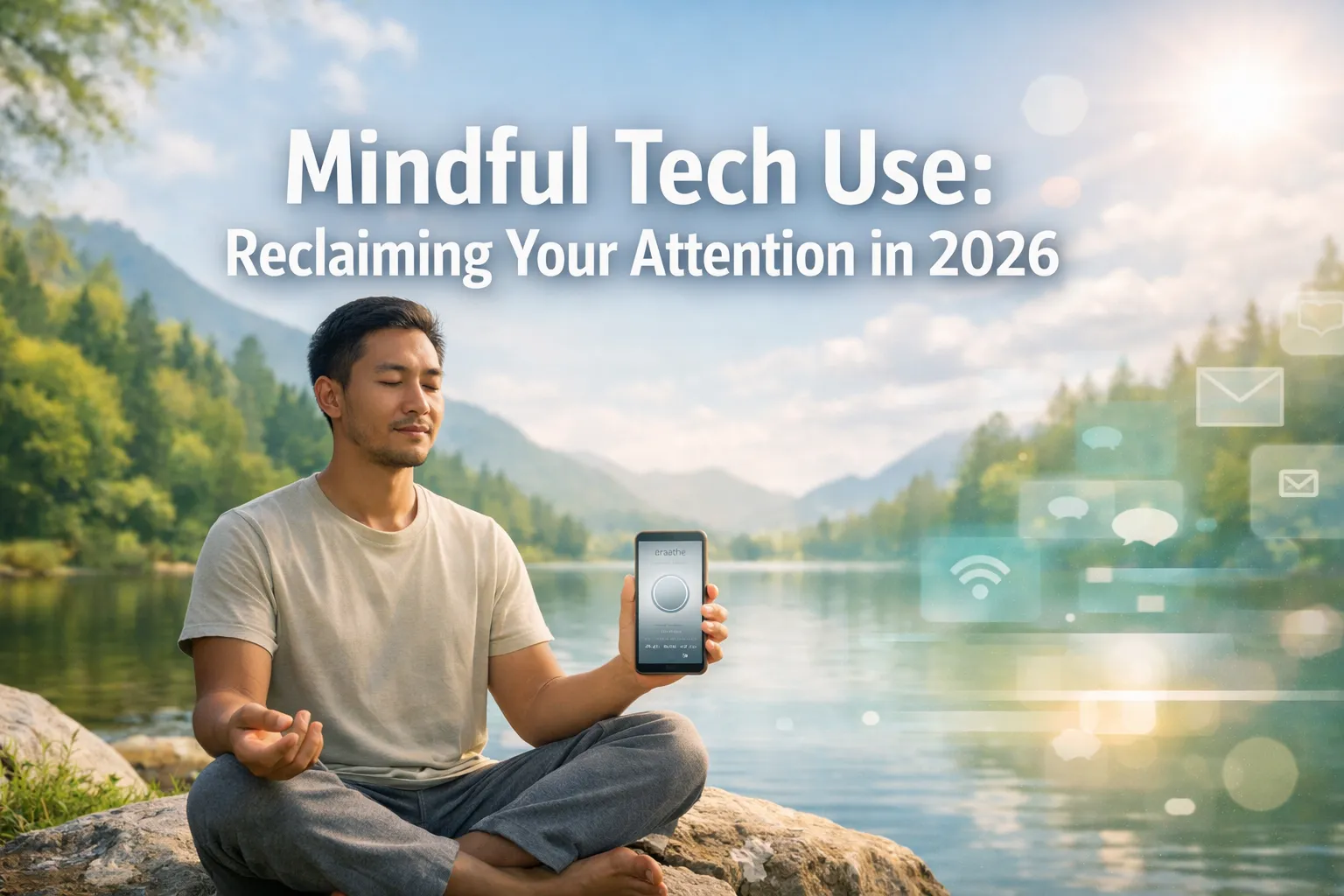

In an era defined by relentless digital connectivity, where the average person touches their smartphone thousands of times a day, the line between helpful technology and pervasive distraction has become increasingly blurred. The year 2026 presents both unprecedented technological advancements and a growing global awareness of digital fatigue. As our devices become more integrated into every facet of life—from work and communication to entertainment and personal well-being—the challenge of maintaining focus and avoiding digital addiction intensifies. This comprehensive guide, “Mindful Tech Use: 7 Practical Strategies to Reclaim Your Focus and Beat Digital Addiction in 2026,” aims to equip individuals with actionable, evidence-based methods to harness technology’s benefits without succumbing to its pitfalls.
The pervasive nature of screens has led to what many experts now term a “crisis of attention.” Notifications, endless feeds, and the constant urge to check for updates fragment our cognitive processes, diminish our attention spans, and often leave us feeling more drained than connected. However, the solution isn’t to abandon technology entirely, which is often impractical in modern society. Instead, the emerging wellness standard for 2026 is rooted in mindful tech use—an intentional approach that prioritizes mental well-being, productivity, and genuine human connection over unchecked digital consumption. By adopting these strategies, individuals can declutter their digital lives, foster deeper focus, and cultivate a healthier relationship with their devices, ultimately leading to improved sleep, enhanced creativity, and a greater sense of presence.


Key Takeaways
- Digital Decluttering is Essential: Treat your digital space like your physical one; remove distractions and organize for efficiency.
- Scheduled Digital Detoxes Work: Intentional breaks from screens significantly improve focus and reduce anxiety.
- Notification Management is Crucial: Take control of alerts to prevent constant interruptions and regain cognitive flow.
- Mindful Consumption Fosters Engagement: Shift from passive scrolling to active, purpose-driven interaction with technology.
- Boundaries are Non-Negotiable: Establish clear rules for tech use, especially around sleep and personal interactions, to protect well-being.
Understanding the Landscape of Digital Addiction and Focus in 2026
The rapid evolution of technology in 2026 has brought both incredible opportunities and significant challenges for human attention and well-being. From advanced AI companions integrated into our daily routines to sophisticated augmented reality (AR) overlays in our environments, the digital realm is more immersive than ever. While these innovations promise efficiency and connection, they also amplify the potential for digital addiction and chronic distraction. Research consistently points to the detrimental effects of excessive screen time on cognitive function, emotional regulation, and even physical health, including eye strain and poor posture (Kwon et al., 2018). The persistent dopamine hits associated with notifications and social media engagement can create behavioral loops that mimic substance addiction, making it difficult to disengage and truly focus on single tasks.
In 2026, the discussion around digital well-being has shifted from merely acknowledging the problem to actively seeking proactive solutions. Companies are implementing “digital wellness features” directly into operating systems and apps, offering users tools for screen time tracking, app limits, and grayscale modes. However, these tools are only effective when individuals consciously choose to use them. The onus remains on each person to develop personal strategies for mindful tech use. The quest to reclaim focus isn’t about rejecting technology but about mastering it—making deliberate choices about when, how, and why we engage with our devices. This involves understanding our triggers, recognizing the signs of digital overload, and intentionally cultivating habits that support sustained attention and mental clarity. By adopting “Mindful Tech Use: 7 Practical Strategies to Reclaim Your Focus and Beat Digital Addiction in 2026,” individuals can navigate this complex digital landscape with greater intentionality and ultimately lead more focused, fulfilling lives.
The Impact of Constant Connectivity on Our Brains
Our brains are not designed for the constant barrage of information and interruptions that modern digital life presents. Each notification, every new email, and the endless scroll of social media feeds hijack our attention, pulling us away from deep work or meaningful interactions. This constant task-switching significantly degrades productivity and cognitive performance. Studies strongly suggest that even the mere presence of a smartphone can reduce available cognitive capacity (Ward et al., 2017). This “brain drain” leads to:
- Reduced Attention Span: The ability to concentrate on a single task for extended periods diminishes.
- Impaired Memory: Information overload can make it harder for the brain to consolidate memories.
- Increased Stress and Anxiety: The fear of missing out (FOMO) and the pressure to respond immediately contribute to chronic stress.
- Poor Sleep Quality: Blue light emitted from screens disrupts melatonin production, affecting circadian rhythms.
- Decreased Creativity: Constant external stimulation leaves little room for the mind to wander and generate novel ideas.
The strategies outlined in this article are designed to counteract these negative impacts, empowering individuals to regain control over their digital lives. For more insights on improving mental clarity, consider exploring 16 Useful Tips for Improving Your Mental Focus.
Mindful Tech Use: 7 Practical Strategies to Reclaim Your Focus and Beat Digital Addiction in 2026
Achieving a balanced relationship with technology requires discipline and a commitment to intentional habits. The following seven strategies provide a clear roadmap for anyone seeking to minimize digital distractions, enhance focus, and improve overall well-being in 2026. These aren’t just temporary fixes; they are sustainable practices designed for lasting change.
Strategy 1: Digital Decluttering—Cultivate a Minimalist Digital Environment
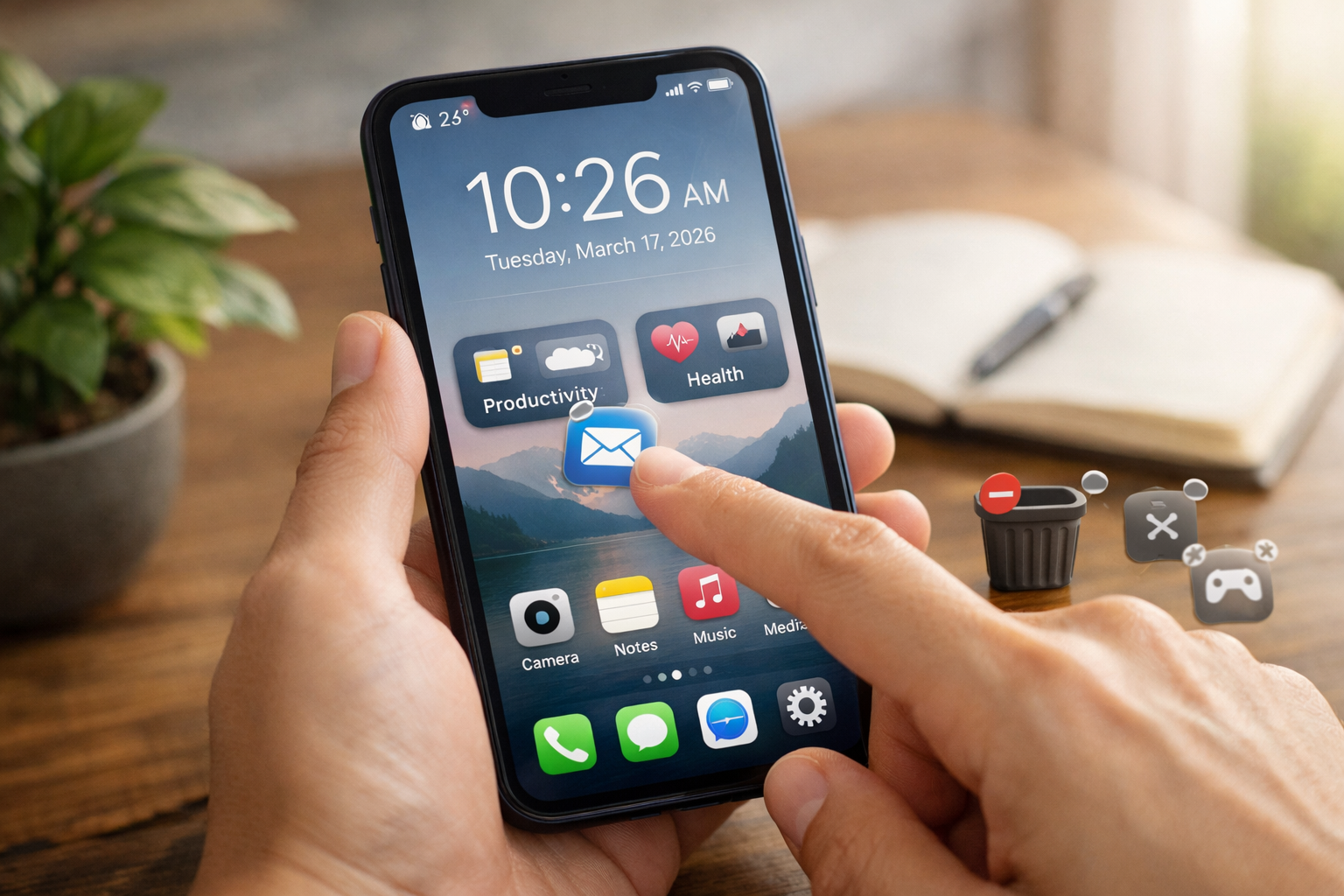
Just as a cluttered physical space can lead to mental clutter, an overloaded digital environment can be a constant source of distraction. The first step towards mindful tech use is to declutter your digital life. This involves a systematic review of your devices, apps, and online habits.
- Home Screen Overhaul:
- Remove or Hide Non-Essential Apps: Delete apps you no longer use or move them into folders off your primary home screen. Limit your main screen to essential tools like communication, calendar, and productivity apps.
- Turn Off Notification Badges: The red numbers showing pending notifications are powerful psychological triggers. Disable them for all but the most critical apps.
- Choose a Calming Background: Opt for a simple, non-distracting wallpaper that promotes a sense of calm rather than stimulating imagery.
- Email and Cloud Storage Management:
- Unsubscribe Ruthlessly: Take time to unsubscribe from newsletters and marketing emails that don’t add value.
- Organize and Archive: Create a system for your inbox (e.g., using folders, labels) and regularly archive old emails.
- Review Cloud Files: Delete unnecessary files and organize important documents to reduce digital chaos.
- Social Media Audit:
- Unfollow Accounts: Unfollow accounts that don’t genuinely inspire, inform, or entertain you. Reduce noise in your feed.
- Use Lists/Feeds: On platforms that allow it, create curated lists or feeds to see content only from specific people or topics.
- Set Time Limits: Most social media apps and operating systems offer built-in tools to set daily usage limits. Utilize these features and stick to them.
This systematic approach to digital decluttering minimizes visual noise and reduces the constant mental temptation to check irrelevant apps, allowing your focus to shift towards more meaningful tasks.
Strategy 2: Implement Scheduled Digital Detoxes and “No-Phone Zones”
Intentional breaks from technology are crucial for resetting your brain and reducing dependency. Digital detoxes don’t mean going off-grid for weeks; they can be integrated into your daily and weekly routines.
- Daily Disconnects:
- Morning Hour: Dedicate the first hour after waking up to non-digital activities. Instead of immediately grabbing your phone, engage in reading a physical book, meditation, or light exercise. This sets a calm tone for the day. For techniques to release stress and anxiety, explore Simple Techniques to Release Stress, Trauma, Anxiety, and Pain.
- Evening Wind-Down: Stop using screens at least 60-90 minutes before bedtime. The blue light emitted by devices can severely disrupt sleep patterns. Replace screen time with activities like reading, journaling, or listening to music. To promote better sleep, consider these 10 simple things that will make you sleep like a Baby Tonight.
- Weekly Mini-Detoxes:
- Designate a “Screen-Free” Block: Choose a few hours or even a half-day each week when you intentionally put all devices away. Use this time for hobbies, spending time with loved ones, or being in nature.
- “No-Phone Zones”: Establish specific areas in your home where phones are not allowed, such as the dining table, bedroom, or during family time. This encourages presence and deeper connection.
- The Power of the “Gray Scale”: Many smartphones offer a gray-scale mode. Temporarily switching to gray-scale can make your phone less appealing and reduce the compulsive urge to check it, as the vibrant colors that attract our attention are removed.
These structured breaks help retrain your brain, reducing the automatic urge to reach for your device and allowing you to engage more deeply with your real-world environment and relationships.
Strategy 3: Master Your Notifications, Don’t Let Them Master You
Notifications are perhaps the most insidious perpetrators of digital distraction. Each ping, buzz, or pop-up is designed to pull your attention away, breaking your concentration and forcing your brain to switch contexts. In 2026, taking control of notifications is paramount to reclaiming focus.
- Aggressive Notification Pruning:
- Default to Off: Assume all app notifications are off by default. Only enable them for truly essential communications (e.g., calls from family, work emergencies).
- Categorize Urgency: Distinguish between critical, time-sensitive alerts and non-urgent updates. Most apps do not require immediate attention.
- Disable Visual and Sound Alerts: For non-essential apps, turn off banners, sounds, and vibrations. If you must have them, consider using silent alerts that only appear in your notification center.
- Utilize “Do Not Disturb” (DND) Modes:
- Scheduled DND: Set DND to activate automatically during your working hours, sleep time, or any period when you need uninterrupted focus.
- Focus Modes (2026 Enhancements): Modern operating systems in 2026 offer sophisticated “Focus Modes” that allow granular control. You can create custom modes for “Work,” “Reading,” or “Family Time,” specifying which apps and contacts are allowed to break through during these periods.
- Batch Processing:
- Scheduled Check-ins: Instead of responding to emails and messages immediately, schedule specific times during your day to check and respond to communications (e.g., once an hour or three times a day). This allows for sustained periods of deep work.
- Use Focus Apps: Apps designed to block distractions or enforce “Pomodoro Technique” sessions can be incredibly helpful. These tools help create an environment where you can concentrate without interruption for defined periods.
By meticulously managing notifications, you create a protective barrier around your attention, allowing for sustained focus and reducing cognitive fatigue.
Strategy 4: Practice Mindful Consumption and Intentional Engagement
The quality of our digital interactions matters as much as the quantity. Mindful consumption means moving away from passive, endless scrolling towards intentional, purpose-driven engagement with digital content. This strategy focuses on shifting your mindset and habits when using technology.
- Define Your Purpose Before You Open an App: Before clicking on a social media app or browser, ask yourself, “Why am I opening this? What do I hope to achieve or learn?” If there’s no apparent purpose, reconsider.
- Curate Your Feeds and Subscriptions: Actively choose to follow accounts, subscribe to channels, and engage with content that genuinely enriches your life, informs you, or sparks creativity. Unfollow or mute anything that makes you feel negative or anxious or is simply a time sink.
- Engage Actively, Not Passively: Instead of passively consuming content, try to engage with it thoughtfully. This could mean leaving a constructive comment, saving an article to read later, or reflecting on what you’ve learned.
- Utilize Educational and Skill-Building Apps: Redirect some of your screen time towards apps that promote learning, mindfulness, or new skills. This transforms screen time from a drain to an investment in yourself.
- Question the Urgency: When you feel the urge to pick up your phone, pause for a moment. Ask yourself if it’s truly time-sensitive or just a conditioned response. Often, the urge passes within a minute or two.
- Digital Journaling: Keep a record of your digital habits for a few days. Note down when you use certain apps, for how long, and how you feel afterward. This self-awareness is a powerful first step to changing behavior.
By approaching technology with intention, you transform it from a potential addiction into a powerful tool that serves your goals, rather than controlling them.
Strategy 5: Leverage Technology to Support Your Well-being (Not Detract From It)
Paradoxically, technology itself can be a powerful ally in the fight against digital addiction and for reclaiming focus. The key is to use it mindfully to enhance your life, rather than mindlessly consuming content. In 2026, a wealth of apps and devices are designed specifically for this purpose.
- Mindfulness and Meditation Apps: Apps like Calm, Headspace, or Insight Timer offer guided meditations, breathing exercises, and sleep stories. Incorporating these into your daily routine can significantly reduce stress and improve focus. For a deeper dive into meditation, consider exploring Meditation In Depth.
- Focus and Productivity Tools:
- Website Blockers: Browser extensions or apps that temporarily block distracting websites (social media, news sites) can be invaluable during work or study periods.
- Pomodoro Timers: Use apps that implement the Pomodoro Technique, breaking work into focused intervals followed by short breaks. This structure trains your attention span.
- Noise-Canceling Headphones: While not strictly software, these can create an auditory “focus zone” by blocking out environmental distractions.
- Digital Wellness Features:
- Screen Time Trackers: Most modern smartphones and operating systems offer built-in tools to track your screen time, app usage, and notification frequency. Regularly review these reports to gain insight into your habits and identify areas for improvement.
- Grayscale Mode: As mentioned earlier, switching your phone to Gray-scale can make it less visually stimulating and reduce the urge to pick it up.
- Scheduled Downtime: Use your device’s settings to schedule “downtime” or “bedtime mode” during which only essential apps and contacts can reach you.
- E-readers and Audiobooks: Shift your consumption of books and long-form articles from multi-purpose devices (like phones or tablets) to dedicated e-readers or audiobooks. These devices are designed for singular focus, reducing the temptation to switch between tasks.
By strategically integrating these tools, technology becomes an enabler of focus and well-being, rather than a hindrance.
Strategy 6: Cultivate Hobbies and Interests Outside the Digital Realm
One of the most effective ways to reduce reliance on digital devices is to fill your life with engaging, screen-free activities. When you have compelling offline interests, the allure of your phone diminishes naturally. This strategy is vital for building a rich, balanced life in 2026.
- Rediscover Old Hobbies: Think back to activities you enjoyed before pervasive digital technology. Was it painting, playing a musical instrument, gardening, or hiking? Reconnect with these passions.
- Explore New Interests: Take a class, join a club, or pick up a new skill that requires your full, undivided attention and doesn’t involve screens. Examples include:
- Cooking or baking 🧑🍳
- Learning a new language 🗣️
- Playing a sport or exercising (e.g., 18 Powerful Strategies to Motivate Yourself to Exercise) 🏃♀️
- Creative writing or journaling ✍️
- Volunteering in your community 🤝
- Spending time in nature 🌳
- Prioritize In-Person Connections: Actively schedule time with friends and family that doesn’t revolve around screens. Engage in conversations, play board games, or simply enjoy each other’s company without digital interruptions. Deepening relationships can also contribute to overall happiness; learn more about how to make yourself happy.
- Embrace Boredom: Allow yourself to experience boredom sporadically. In these moments, instead of reaching for your phone, let your mind wander. This can be a fertile ground for creativity and problem-solving.
- Physical Books and Magazines: Reintroduce physical reading into your routine. The tactile experience of a book can be deeply engaging and provides a welcome break from screens. For the cognitive benefits, consider Most Powerful Benefits of Reading Books.
Developing a rich tapestry of offline activities provides alternative sources of stimulation and fulfillment, reducing the psychological need to constantly seek digital gratification.
Strategy 7: Set Clear Boundaries and Communicate Your Intentions
Establishing firm boundaries around technology use is not just for your benefit; it also helps manage expectations with others. Clear communication about your tech habits fosters respect for your focus and well-being. This is an essential component of “Mindful Tech Use: 7 Practical Strategies to Reclaim Your Focus and Beat Digital Addiction in 2026.”
- Define Your Personal Rules:
- No Phones During Meals: This simple rule can transform meal times into opportunities for genuine connection.
- Bedroom as a Sacred Space: Keep phones and other devices out of the bedroom to protect your sleep hygiene and intimacy.
- Work-Life Separation: Establish clear cut-off times for work-related emails and messages. Unless it’s an emergency, work communication can wait until the next workday.
- Social Media Time Limits: Beyond app-based limits, decide on personal rules, e.g., “only 30 minutes of social media per day, split into two 15-minute blocks.”
- Communicate Your Boundaries to Others:
- Inform Family and Friends: Let your loved ones know you’re trying to reduce screen time. Explain that if you don’t respond immediately, it’s not personal but part of your mindful tech journey.
- Set Expectations at Work: If possible, communicate to colleagues or clients your preferred channels and response times for urgent matters and that you’ll be less accessible during dedicated focus periods.
- Lead by Example: Your actions will speak louder than words. When others see you engaging mindfully, they may be inspired to re-evaluate their habits.
- Use Automated Responses: For times when you are intentionally disconnected (e.g., during a digital detox, a focused work block, or vacation), set up auto-reply messages for email and texts. This manages expectations and reduces the pressure to constantly check.
- Regularly Review and Adjust: Your tech habits and needs may change. Periodically review your boundaries and adjust them as needed to ensure they continue to support your well-being and focus.
By consciously setting and communicating these boundaries, you create a framework that supports sustained focus, protects your personal time, and ultimately strengthens your relationships with both yourself and others.
The Long-Term Benefits of Mindful Tech Use in 2026
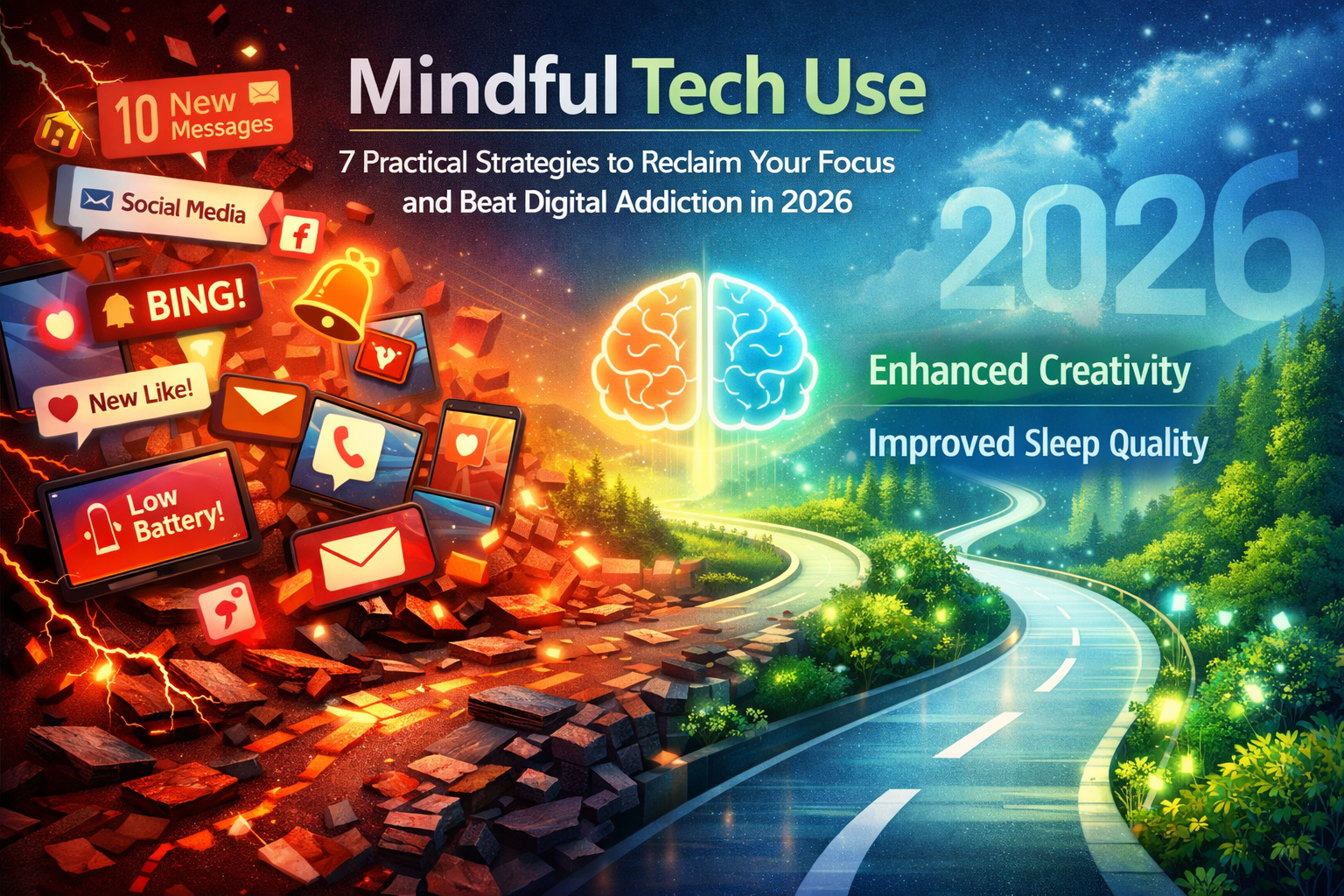
Embracing the “Mindful Tech Use: 7 Practical Strategies to Reclaim Your Focus and Beat Digital Addiction in 2026” offers a cascade of positive outcomes that extend far beyond simply reducing screen time. These benefits are fundamental to thriving in our increasingly digital world.
- Enhanced Cognitive Function: By reducing distractions and training your attention span, you will experience improved concentration, memory, and problem-solving abilities. Your brain will regain its capacity for deep, sustained thought.
- Improved Mental Health: Less screen time, especially from social media, often leads to reduced anxiety, stress, and feelings of inadequacy (Przybylski & Weinstein, 2017). A mindful approach fosters greater emotional balance and contentment.
- Better Sleep Quality: Eliminating screens before bed and maintaining a consistent bedtime routine free from digital distractions directly contributes to deeper, more restorative sleep. This boosts mood, energy, and cognitive performance.
- Increased Productivity and Creativity: With fewer interruptions, you can dedicate more uninterrupted time to meaningful work and creative pursuits. Your mind will have the space to wander, connect ideas, and innovate.
- Stronger Relationships: By being more present during interactions, you can foster deeper connections with friends, family, and colleagues. Genuine engagement replaces superficial digital interactions.
- Greater Sense of Control and Presence: Mindful tech use empowers you to be the master of your devices, rather than their slave. This leads to a greater sense of agency over your time and attention, allowing you to live more fully in the present moment.
- Reduced Digital Fatigue and Burnout: Proactively managing your tech use prevents the exhaustion and overwhelm associated with constant connectivity, leading to greater overall well-being and sustained energy.
The investment in mindful tech practices pays dividends across all areas of life, transforming your relationship with technology into one that is empowering, enriching, and conducive to a focused, fulfilling existence.
Conclusion
The digital age, while offering unparalleled convenience and connection, also presents significant challenges to our focus and well-being. In 2026, the imperative to cultivate a mindful relationship with technology is more urgent than ever. The strategies outlined in this guide—from aggressive digital decluttering and scheduled detoxes to mastering notifications and embracing screen-free hobbies—provide a robust framework for reclaiming your attention and beating digital addiction.
Remember, the goal is not to eradicate technology from your life but to integrate it wisely and intentionally. By implementing these “Mindful Tech Use: 7 Practical Strategies to Reclaim Your Focus and Beat Digital Addiction in 2026,” you can move from a state of passive consumption and distraction to one of active control and purposeful engagement. This shift will not only enhance your productivity and creativity but will also lead to deeper connections, improved sleep, and a greater overall sense of presence and peace.
Actionable Next Steps:
- Choose One Strategy to Start: Don’t implement all seven strategies at once. Pick one that resonates most with you (e.g., decluttering your home screen or setting a “no-phone” rule for your bedroom) and commit to it for a week.
- Schedule Your First Digital Detox: Mark a specific time in your calendar for a 1-2 hour screen-free period this week.
- Review Your Notifications: Go through your phone settings right now and disable all non-essential notifications.
- Find a Screen-Free Activity: Identify one hobby or activity you can engage in today that doesn’t involve screens.
- Reflect and Adjust: At the end of each week, take a few minutes to reflect on your progress. What worked well? What challenges did you face? Adjust your approach as needed.
By taking these small, consistent steps, you will gradually build powerful habits that transform your relationship with technology and allow you to thrive in 2026 and beyond.
References
Kwon, M., Kim, D. J., Cho, H., & Kim, J. H. (2018). The effects of smartphone overdependence on sleep quality and mental health in adolescents. Journal of Korean Medical Science, 33(20), e145.
Przybylski, A. K., & Weinstein, N. (2017). A Large-Scale Test of the Goldilocks Hypothesis: Quantifying the Relations Between Digital-Screen Use and the Mental Well-Being of Adolescents. Psychological Science, 28(2), 204–215.
Ward, A. F., Duke, K., Gneezy, A., & Bos, M. W. (2017). Brain Drain: The Mere Presence of One’s Own Smartphone Reduces Available Cognitive Capacity. Journal of the Association for Consumer Research, 2(2), 140–154.